
Construction Debris Removal Explained for Homeowners
Discover how construction debris removal explained can save you money, ensure safety, and keep your project compliant. Learn key practices now!
Construction Debris Removal Explained for Homeowners
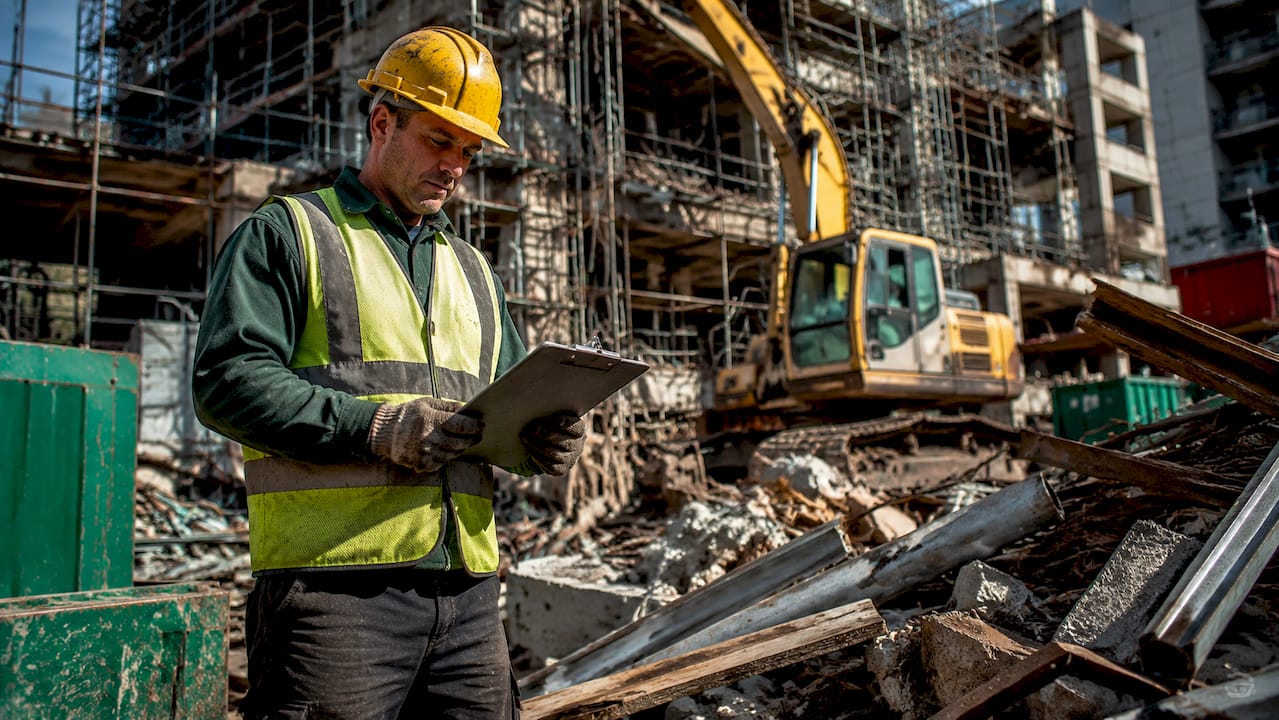
Construction debris removal is the systematic process of clearing, sorting, and disposing of waste materials generated during construction, renovation, or demolition projects to protect safety, the environment, and regulatory compliance. The industry term for this broader practice is construction and demolition (C&D) waste management, and understanding both terms helps you communicate clearly with contractors, haulers, and local permit offices. Whether you are remodeling a kitchen in Columbus, Indiana, or managing a full demolition in Indianapolis, getting debris removal right from day one saves money, prevents fines, and keeps your site safe. The EPA’s Sustainable Materials Management framework sets the gold standard: reduce first, reuse and recycle second, and landfill only as a last resort.
Construction debris removal explained: what it covers
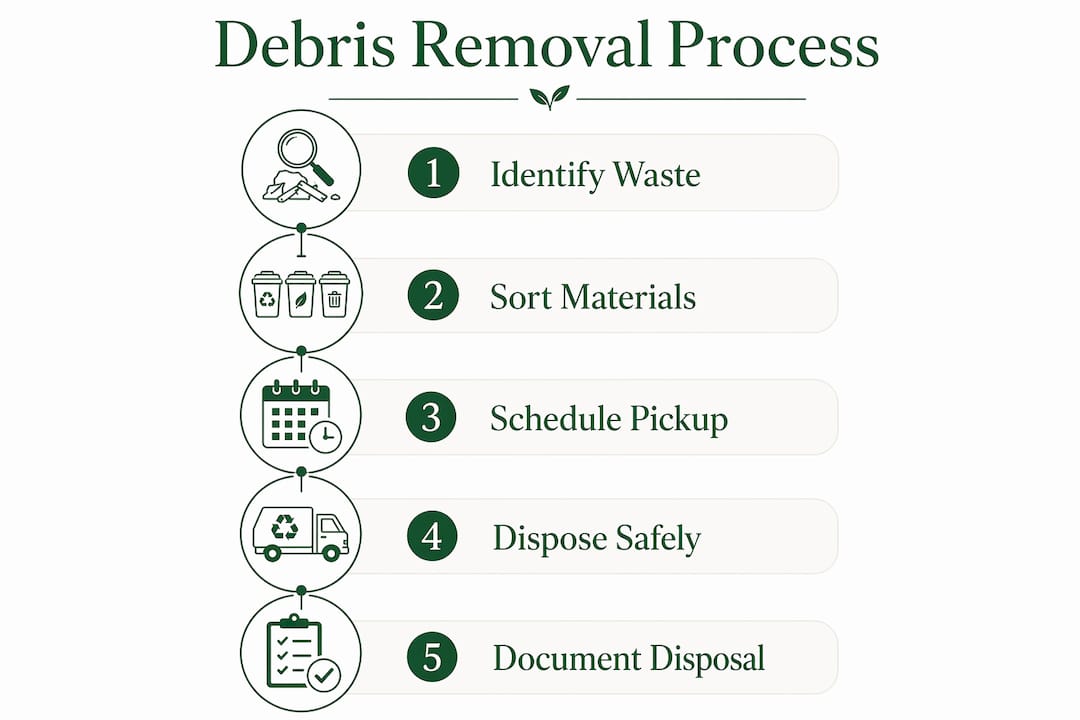
Construction debris removal covers far more than tossing rubble into a dumpster. The process includes identifying material types, sorting them correctly, arranging compliant transport, and retaining documentation for inspections. OSHA mandates that scrap and waste be removed as work progresses, not just at the end of a project. That single requirement reframes debris removal as a daily safety task, not a one-time cleanup.
The scope of C&D waste management also extends to hazardous materials. Asbestos, lead-based paint, and certain adhesives cannot be mixed with general debris. They require licensed haulers, specialized disposal facilities, and federal manifests. Skipping that step is not just a regulatory violation. It is a liability that can shut down your project entirely.
What types of materials count as construction debris?
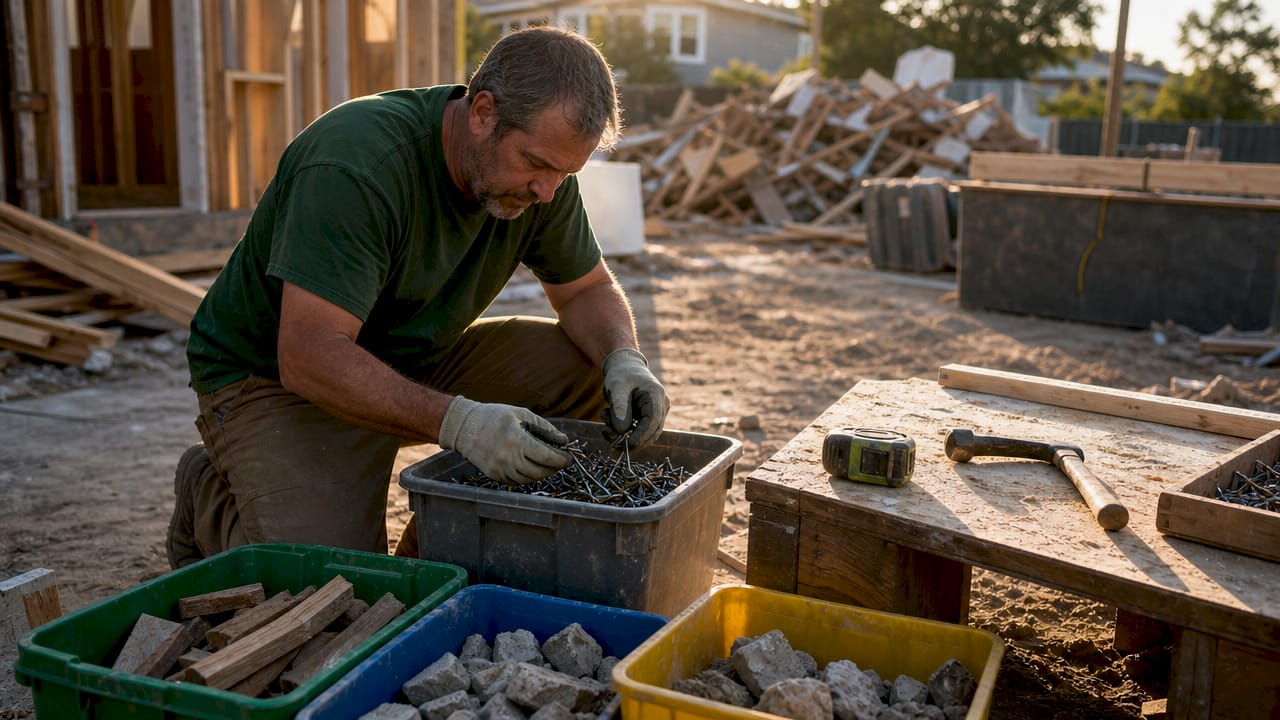
Construction debris falls into three broad categories: recyclable materials, general landfill waste, and hazardous materials. Knowing which bin each item belongs in is the fastest way to control disposal costs and stay compliant.
Recyclable materials include:
- Concrete and masonry (crushed for road base or fill)
- Metal framing, rebar, and copper pipe
- Clean dimensional lumber and engineered wood
- Asphalt shingles and paving material
- Cardboard and clean plastic sheeting
General landfill waste includes:
- Mixed drywall scraps contaminated with other materials
- Insulation that cannot be separated cleanly
- Broken glass and ceramic tile
- Treated or painted wood that recyclers will not accept
Hazardous materials requiring special handling include:
- Asbestos-containing materials in older homes (pre-1980 construction)
- Lead-based paint debris from pre-1978 buildings
- Fluorescent light ballasts containing PCBs
- Certain adhesives, solvents, and roofing tars
Sorting debris by material type before disposal reduces costs and avoids regulatory issues, especially for hazardous waste. Mixed loads cost more at the gate because facilities must sort them manually, and that labor gets passed to you.
Pro Tip: Label your debris bins clearly at the start of every project phase. A simple color-coded system, such as blue for recyclables and red for hazardous materials, cuts sorting time and prevents costly cross-contamination.
What are the best methods for removing construction debris?
The best debris removal method depends on your project size, material types, and timeline. These four approaches cover most residential and commercial scenarios.
-
Dumpster rental. Roll-off dumpsters work well for projects generating large, continuous volumes of debris. Sizes range from 10-yard containers for small bathroom remodels to 40-yard containers for full demolitions. Rental costs vary by region, but you pay for the container, the haul-away, and the disposal fee. Overloading or including prohibited materials adds surcharges.
-
Scheduled hauling service. A licensed hauler, like the team at Ohanapropertyexperts, picks up debris on a set schedule. This works well when you need documentation of disposal, such as dump tickets required by local permit offices.
-
Mechanical removal. Skid steers, forklifts, and excavators move heavy debris like concrete slabs and masonry quickly. Mechanical removal is faster and safer than manual labor for loads over 50 pounds per piece. Always confirm that the equipment operator is trained for the specific material type.
-
Manual sorting and bagging. For smaller renovation projects, hand-sorting debris into labeled bags or bins before hauling is the most cost-effective approach. It also makes recycling easier because materials stay separated from the start.
Frequent removal of debris during the workday is not optional under OSHA standards. Contractors who wait until end-of-day or end-of-project cleanups create trip hazards, fire risks, and potential OSHA violations. The standard practice is to clear debris multiple times per shift.
Pro Tip: Plan your debris removal schedule around project phases. Demolition generates the most volume, so book your dumpster or hauler before demo day, not after. Waiting until debris is already piling up costs you time and sometimes an emergency delivery fee.
How do local and federal regulations shape debris removal?
Regulatory compliance is the part of construction waste disposal that surprises most homeowners and first-time contractors. The rules come from three levels: federal, state, and local.
Federal rules set the floor. OSHA’s site housekeeping standards require proper waste containers on site and regular removal of scrap materials. The EPA governs hazardous waste under the Resource Conservation and Recovery Act (RCRA). Hazardous waste shipments must use EPA-authorized transporters with manifests tracked under federal and state rules. Losing that paperwork is not a minor oversight. It is a chain-of-custody failure that can result in fines and rejected loads.
Local rules add specific requirements that vary by city and county. Spokane, Washington, for example, requires that all C&D debris be disposed of at permitted facilities with proof of disposal retained for inspection. Violations result in separate daily penalties for each day of noncompliance. Central Indiana communities have their own permit conditions, and you should confirm requirements with your local building department before your project starts.
Key regulatory checklist for any C&D project:
- Confirm your disposal facility is permitted for the materials you are hauling
- Retain all dump tickets and disposal receipts throughout the project
- Use EPA-authorized transporters for any hazardous waste
- Check local ordinances for recycling minimums before finalizing your disposal plan
Keeping disposal documentation accessible throughout the project is the single most overlooked compliance step. Inspectors audit through dump tickets. Missing receipts can trigger work stoppages even when the actual disposal was done correctly.
How recycling and reuse cut costs and environmental impact
Sustainable construction waste management is not just good for the environment. It is good for your budget. The EPA’s Sustainable Materials Management hierarchy places source reduction at the top, followed by reuse and recycling, with landfilling as the last option. Following that hierarchy in order reduces both disposal fees and environmental impact.
Los Angeles County’s ordinance requires at least 50% recycling of C&D debris. California’s CalGreen code raised that target to 65% as of its 2016 update. Those numbers reflect a national trend toward mandatory diversion rates. Even if your local jurisdiction has no formal recycling minimum today, adopting these targets protects you from future compliance costs.
The table below compares the three primary disposal outcomes for common C&D materials:
| Disposal Method | Cost Impact | Environmental Outcome | Best For |
|---|---|---|---|
| Landfill | Highest per ton | Highest waste volume | Contaminated or mixed materials |
| Recycling | Moderate; often offset by material value | Reduces raw material extraction | Clean concrete, metal, asphalt, cardboard |
| Reuse / Salvage | Lowest; sometimes generates revenue | Lowest environmental impact | Dimensional lumber, fixtures, brick, doors |
Asphalt shingles can be ground into pavement base material. Clean dimensional lumber can go to salvage yards or donation-conscious recovery programs. Scrap metal almost always has resale value. Treating these materials as assets rather than waste changes the economics of your entire project.
Pro Tip: Before your demolition phase, walk the site with a salvage mindset. Doors, cabinets, brick, and copper pipe often have resale or donation value. Pulling them out intact before demo saves disposal fees and sometimes generates cash.
Key takeaways
Effective construction debris removal requires sorting materials at the source, removing debris continuously throughout the project, retaining disposal documentation, and prioritizing recycling over landfilling.
| Point | Details |
|---|---|
| Sort at the source | Separate recyclables, general waste, and hazardous materials before disposal to cut costs and stay compliant. |
| Remove debris continuously | OSHA requires ongoing removal during the workday, not a single end-of-project cleanup. |
| Retain all documentation | Keep dump tickets and disposal receipts on site throughout the project to pass inspections. |
| Prioritize recycling | Follow the EPA’s hierarchy: reduce first, reuse and recycle second, landfill only as a last resort. |
| Know your local rules | Local permit conditions vary widely; confirm recycling minimums and disposal facility requirements before starting. |
What i’ve learned after years of boots-on-the-ground debris work
The single most common mistake I see on residential and small commercial projects is what I call the “dump it later” trap. A homeowner or contractor lets debris accumulate for days or weeks, telling themselves they will handle it at the end. By then, the pile is a safety hazard, the materials are mixed together, and the cost to sort and haul everything has tripled.
The second mistake is treating documentation as an afterthought. I have watched projects get stalled because an inspector showed up and the contractor could not produce a single dump ticket. The debris was gone. The disposal was legal. But without the paper trail, none of that mattered. Local jurisdictions like Spokane are explicit about this, and Central Indiana permit offices are no different. Documentation is not bureaucratic overhead. It is your proof of compliance.
What actually works is simple: plan your debris removal before the first tool swings. Book your hauler or dumpster before demo day. Set up labeled bins on day one. Remove debris at least twice per shift. And keep a folder, physical or digital, where every dump ticket goes immediately after the haul.
The recycling piece surprises people most. Contractors who sort clean concrete, metal, and wood from the start often find that recycling fees are lower than landfill tipping fees for those materials. Some scrap metal loads pay you. That is not a bonus. That is a direct result of planning.
— Olga
Ready to clear your site? Ohanapropertyexperts can help
Dealing with construction debris on your own takes time, equipment, and a clear understanding of local disposal rules. Ohanapropertyexperts handles all of it for homeowners and contractors across Columbus, Indianapolis, Greenwood, and surrounding Central Indiana communities.
Our debris removal services include licensed hauling, proper sorting, and documentation you can hand directly to your permit office. We handle everything from post-renovation cleanouts to full demolition debris loads. We also manage full property cleanouts for investors and landlords preparing sites for sale or occupancy. Call us at (812) 302-6833 for a free estimate, or visit ohanapropertyexperts.com to get started today.
FAQ
What is construction debris removal?
Construction debris removal is the process of clearing, sorting, and disposing of waste materials generated during construction, renovation, or demolition. It includes both general waste disposal and compliant handling of hazardous materials under EPA and OSHA standards.
How often should debris be removed from a construction site?
OSHA requires debris to be removed as work progresses, meaning multiple times per shift rather than once at the end of a project. Waiting until project completion violates housekeeping standards and creates serious safety hazards.
What items require special handling during debris removal?
Asbestos, lead-based paint debris, PCB-containing ballasts, and certain solvents require licensed haulers, separate containers, and EPA-authorized manifests. Mixing these materials with general debris is a federal violation under RCRA.
Do i need to keep receipts from debris disposal?
Yes. Many local jurisdictions require proof of disposal at permitted facilities, and inspectors can request dump tickets at any time. Retaining disposal receipts throughout the project protects you from penalties and work stoppages.
Can construction debris be recycled?
Most C&D materials, including concrete, clean wood, metal, asphalt, and cardboard, are recyclable. The EPA recommends recycling and reuse over landfilling, and jurisdictions like Los Angeles County mandate at least 65% diversion from landfills under CalGreen rules.