
What to Remove Before Movers Arrive: Your 2026 Checklist
Discover what items to remove before movers arrive. Ensure a smooth move by safeguarding your valuables and avoiding delays. Get the checklist now!
What to Remove Before Movers Arrive: Your 2026 Checklist
What items to remove before movers arrive
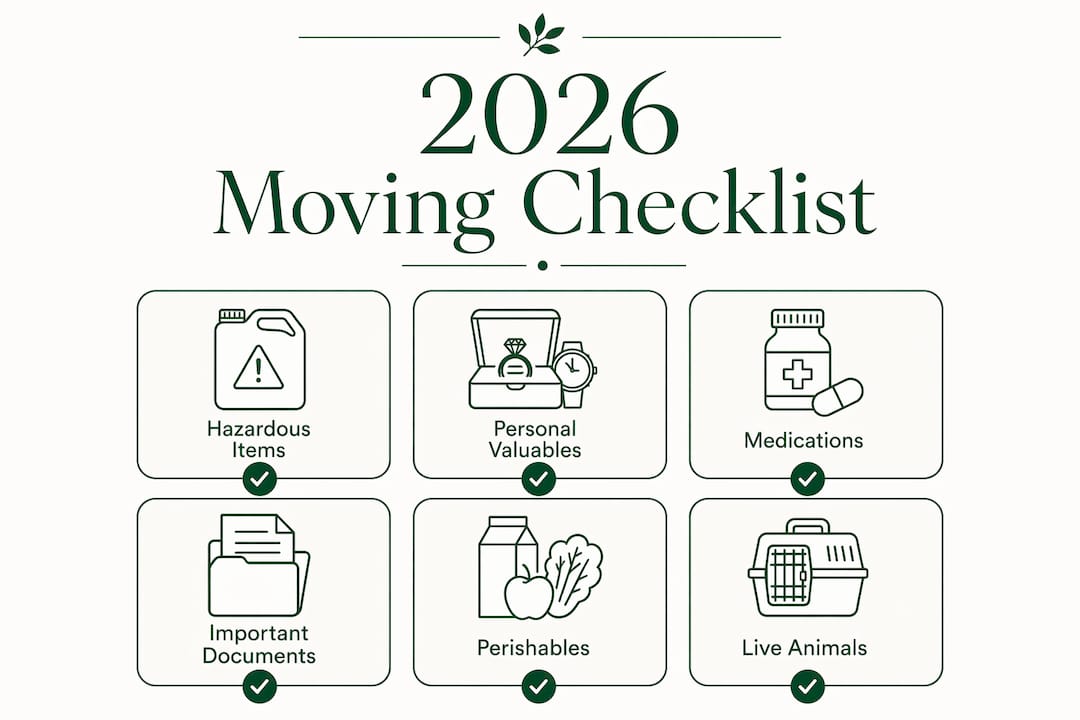
Remove these items before movers arrive: hazardous materials, personal valuables, medications, important documents, perishable food, live animals, and anything you need immediate access to after the move. Getting these out of the way early prevents delays, protects you from liability, and keeps the crew moving safely.
Here is the full list, organized by category:
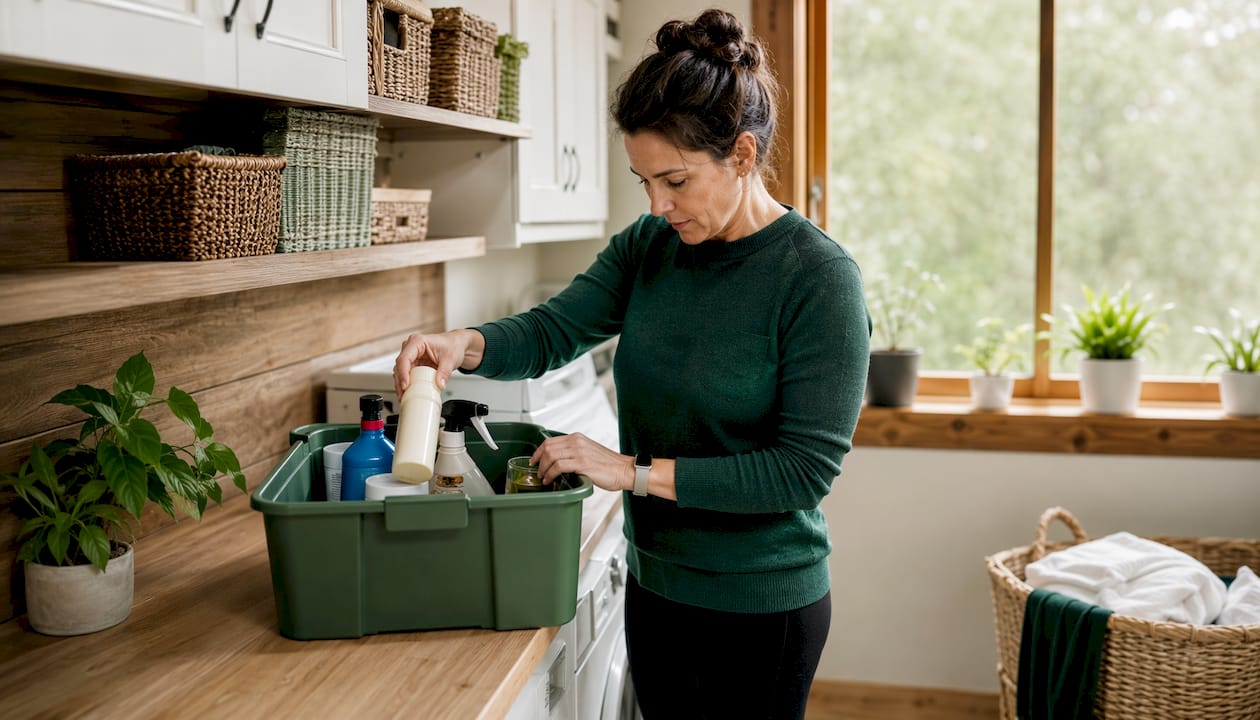
Hazardous and flammable materials (movers cannot legally transport these):
- Gasoline, propane tanks, motor oil, and antifreeze
- Pesticides, fertilizers, and paint cans
- Charcoal lighter fluid and cleaning chemicals
- Batteries from devices and fuel from power equipment like lawn mowers and snow blowers
Personal valuables and essentials (keep these with you at all times):
- Medications and prescriptions
- Passports, birth certificates, financial records, and legal documents
- Cash, credit cards, and checkbooks
- Jewelry, family heirlooms, and collector’s items
- Laptops, phones, chargers, and expensive electronics
- Keys, tickets, and travel documents
Perishables and living things:
- Open pantry food and refrigerator contents
- Plants and live animals require separate transport arrangements
First-night essentials box (pack separately, transport in your own vehicle):
- Toiletries, a change of clothes, and towels
- Phone chargers and basic kitchen supplies
- Children’s items and pet favorites
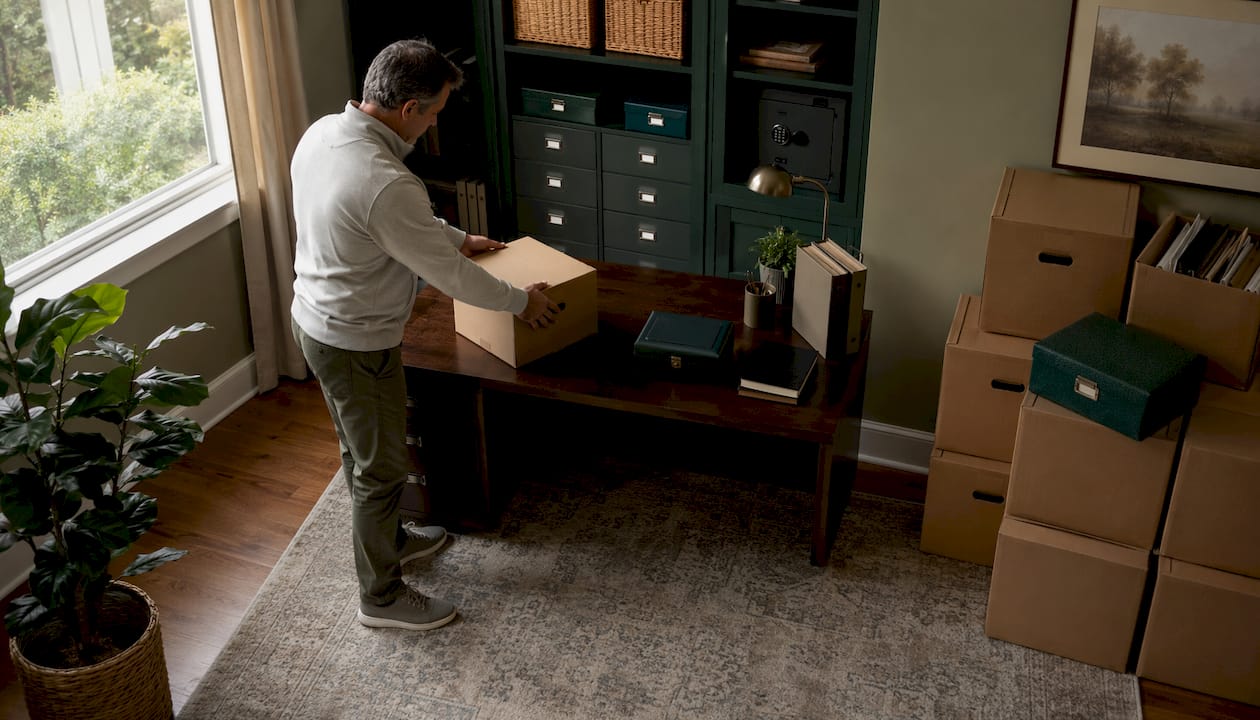
Designating a secure “no-pack” room for all of these items before the crew arrives is the single most effective way to prevent accidental loading of something critical.
How to physically prepare your home for the movers
Getting your home ready is just as important as knowing what to pull aside. Movers work faster, safer, and more efficiently when the space is clear and the items are properly prepped. Here is a practical breakdown.
Step-by-step home preparation:
- Clear all walkways. Remove rugs, floor runners, and any clutter from hallways, doorways, and staircases. Clear paths improve safety and loading speed, and they reduce the risk of injury to your crew.
- Empty drawers and cabinets. Remove perfumes, jewelry, books, and fragile items from dresser drawers before the crew touches the furniture. Empty drawers prevent damage and make pieces lighter and safer to carry through tight spaces.
- Disconnect and prep appliances. Refrigerators need to be emptied, defrosted, and dried at least 24–48 hours before the move. Washing machines need water supply lines disconnected and the drum secured. Dryers require lint trap removal and vent disconnection. Improperly prepared appliances account for a disproportionate share of move-day delays and property damage claims.
- Remove batteries and drain fuel. Battery removal from devices prevents leaks and electrical hazards in transit. Drain gasoline and oil from lawn mowers, snow blowers, and any other fuel-powered equipment you plan to move.
- Disassemble furniture ahead of time. Remove table legs, detach glass shelves, take down TV mounts, and strip bed frames. Pre-disassembly by the homeowner saves significant time and reduces the risk of scratches in tight hallways.
- Label everything clearly. Mark boxes with the destination room, a brief contents description, and any handling notes like “Fragile” or “This Side Up.” Color-coded tape by room accelerates unloading on the other end.
- Clean and dry all items. Moisture left in appliances or on surfaces can cause mold growth during transit. Dirt can ruin delicate finishes. Wipe everything down and dry it thoroughly before the crew arrives.
- Protect floors and walls. Purchase floor runners or moving blankets to protect hardwood and tile. Door frame protectors are inexpensive and prevent scuffs on painted surfaces.
- Mark items not being moved. Use sticky notes or colored tape on furniture and appliances staying behind. This prevents confusion and saves time during the walkthrough.
Pro Tip: Keep all screws, bolts, and small hardware in labeled zip-lock bags taped directly to the piece they belong to. Losing a bag of fasteners mid-move is one of the most common and preventable problems on moving day.
Walk every room, closet, cabinet, and storage area the evening before. Check the attic, basement, garage, and any outdoor storage. Items left behind because they were overlooked are both frustrating and expensive to retrieve.

Why movers won’t pack or transport certain items
Professional movers operate under safety regulations that restrict entire categories of household goods. Understanding the reasoning helps you plan around these restrictions without scrambling on moving day.
Flammable, explosive, and toxic materials are prohibited because temperature fluctuations and shifting loads inside a moving trailer can push these substances to dangerous combustion levels. Propane tanks, gasoline, motor oil, antifreeze, pesticides, fertilizers, and opened cleaning chemicals all fall into this category. Disposing of these items safely before the truck arrives, or giving them to neighbors, is the right call. For guidance on which household chemicals are restricted, check with your local waste disposal program.
Valuables and personal essentials are excluded for liability reasons. Most moving companies will not accept responsibility for jewelry, cash, important documents, or expensive electronics. If something goes missing or gets damaged in transit, the mover’s liability coverage rarely covers full replacement value for high-value personal items. Keeping these with you removes that risk entirely.
Important documents and medications carry a separate urgency. Personal transport of these items is always recommended because you may need them immediately upon arrival. A prescription you cannot access on your first night in a new city is a real problem.
Perishable food can leak, spoil, or attract pests into the cargo hold. Most professional crews avoid it for exactly that reason. Use up pantry items in the weeks before the move, or donate them to a local food bank. The refrigerator should be fully emptied and defrosted well before the crew arrives.
Plants and live animals are excluded for health and safety reasons. Plants can tip, spill soil, and suffer from temperature extremes in a moving truck. Live animals require proper ventilation, hydration, and care that a moving truck cannot provide. Both need to travel with you or through a dedicated transport service.
Here is a quick reference for common exclusions:
| Category | Examples | What to do instead |
|---|---|---|
| Flammables | Gasoline, propane, lighter fluid | Dispose of or give away before move day |
| Toxic chemicals | Pesticides, fertilizers, paint | Use up, donate, or dispose of safely |
| Perishables | Open food, frozen items | Consume, donate, or discard |
| Live animals | Pets of all kinds | Transport in your own vehicle |
| Plants | Houseplants, outdoor pots | Transport yourself or arrange separately |
| Valuables | Jewelry, cash, heirlooms | Keep in a personal bag with you |
| Documents | Passports, medical records | Carry personally, never load on the truck |
| Medications | Prescriptions, daily meds | Keep in your bag for immediate access |
Professional tips for an efficient moving day
The difference between a smooth move and a chaotic one usually comes down to preparation done days before the crew shows up, not the morning of.
Designate and lock your “no-pack” room. Gather every item you are keeping with you, including your essentials bag, important documents, valuables, and pet supplies, into one clearly marked room. Labeling or locking this room is recommended best practice. It eliminates any chance of accidental loading and removes the need to supervise every item individually.
Declutter before you pack. Moving unused or heavy furniture costs real money. Donating or discarding items can save $50–$200 in truck space fees, and that figure does not account for the labor cost of loading and unloading things you will never use again. If you haven’t touched something in a year, it is a candidate for removal. For a deeper look at what to cut, Ohanapropertyexperts has a practical guide on junk removal before moving that walks through the process room by room.
- Start with seasonal items, guest room contents, and duplicate kitchen gadgets.
- Donate clothing you haven’t worn in the past year.
- Recycle outdated paperwork and scan anything you want to keep digitally.
- Sell or donate old furniture that won’t fit your new space rather than paying to move it.
- Dispose of hazardous materials well before the truck arrives, not the morning of.
Disassemble furniture early. Removing table legs, glass shelves, and wall mounts yourself before the crew arrives saves time on an hourly job. One industry professional notes that even taking apart just a few larger pieces can make a noticeable difference, letting movers focus on wrapping, carrying, and loading instead of hunting for tools.
Pack a first-night essentials box. This box should be the last item loaded and the first item unloaded, or better yet, transported in your own vehicle. Include toiletries, phone chargers, medications, a change of clothes, important documents, keys, and basic kitchen supplies. People who skip this step end up tearing through sealed boxes at midnight looking for a toothbrush.
Pro Tip: Do a full walkthrough with the crew when they arrive. Show them fragile pieces, items needing special wrapping, and anything that should come off the truck first at the new location. Clear instructions at the start prevent confusion at the finish.
Protect your home during the move. Floor runners and door frame protectors are inexpensive and prevent damage to hardwood floors and painted surfaces. If doorways are narrow, consider removing the doors from the hinges to give the crew a few extra inches of clearance. For tips on preparing your home before leaving, a pre-move walkthrough checklist can catch the details that are easy to miss under pressure.
How to handle pets and pet supplies on moving day
Pets need a plan of their own. Moving day is loud, unpredictable, and full of open doors, which creates real risk for animals that are stressed or curious.
The safest approach is to keep pets completely out of the active moving area. Arrange for a friend or family member to watch them off-site, or book a day at a local boarding facility. If neither is possible, confine your pet to a quiet room with food, water, and familiar bedding, and put a clear sign on the door so the crew knows not to open it.
Pet supplies should travel with you, not on the truck. Food bowls, medications, leashes, litter boxes, and favorite toys all go in your personal vehicle. Familiar items reduce stress for animals during the transition. A dog that has its favorite toy and its usual food bowl adjusts faster than one arriving in a completely unfamiliar environment with nothing recognizable.
For cats specifically, a carrier with a familiar-smelling blanket inside makes transport calmer. Keep the carrier in a quiet spot away from the loading activity until you are ready to leave. For fish or reptiles, research transport requirements specific to the species well before moving day, since temperature control and oxygen levels are genuine concerns over longer distances.
Key Takeaways
Removing hazardous materials, personal valuables, medications, perishables, and live animals before movers arrive prevents delays, protects your belongings, and keeps the crew safe.
| Point | Details |
|---|---|
| Hazardous items must go first | Gasoline, propane, pesticides, and chemicals cannot legally travel on a moving truck. |
| Keep valuables with you | Medications, documents, jewelry, and electronics should ride in your personal vehicle, not the truck. |
| Designate a no-pack room | Lock or clearly mark one room for all items the crew should not touch. |
| Declutter to cut costs | Donating or discarding unused items can help reduce your moving costs by minimizing the space needed in the truck. |
| Pets need a separate plan | Keep animals off-site or confined during the move, and transport their supplies yourself. |