
Appliance and Furniture Removal for Flip Homes
Ensure smooth appliance and furniture removal for flip homes. Speed up sales and comply with EPA rules for a profitable flip!
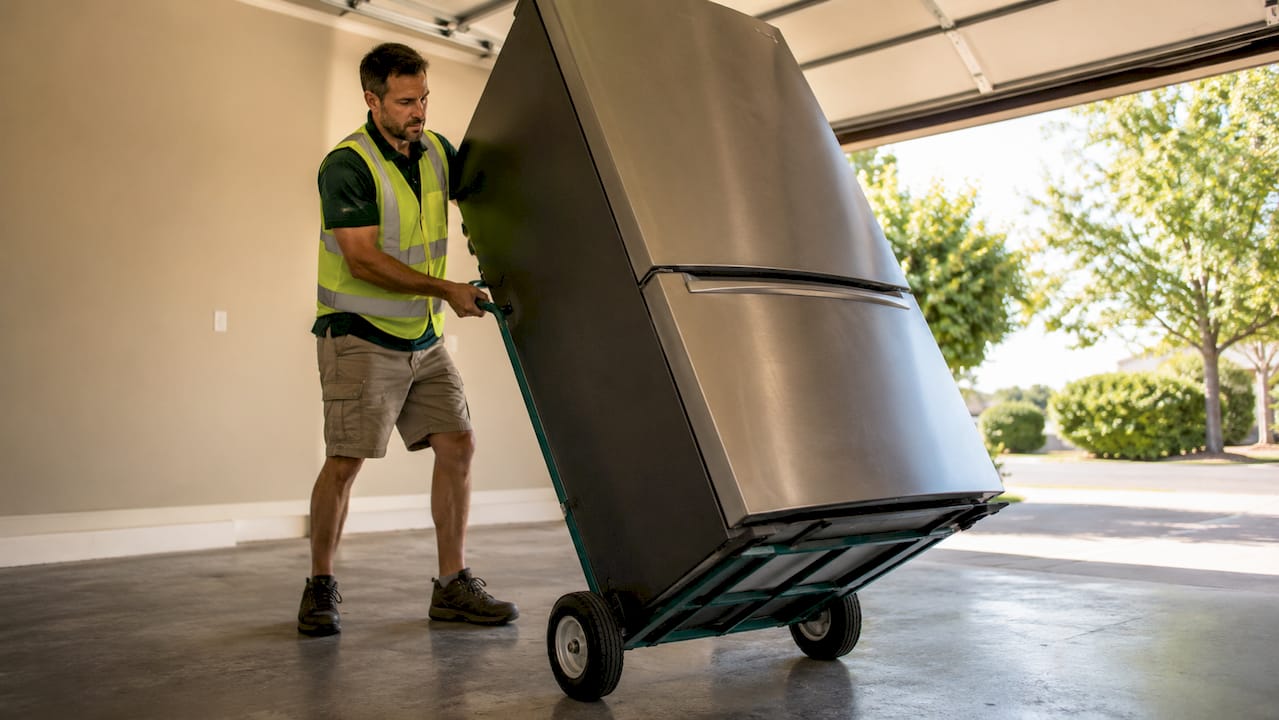
Appliance and Furniture Removal for Flip Homes
Appliance and furniture removal in flip homes is defined as the planned clearance of large items, including refrigerators, stoves, washers, and bulky furniture, to prepare a property for resale. Done right, it speeds up your timeline, keeps you on the right side of EPA law, and sets the stage for a faster sale. Done wrong, it stalls your flip with compliance violations, surprise disposal fees, and a property that buyers can’t picture themselves in. The industry term for this process is “property cleanout,” and it covers everything from a single appliance to a full house clear.
1. What are the key compliance rules for appliance removal in flip homes?
Appliance removal is a legal obligation, not just a logistics task. EPA Section 608 requires certified technicians to recover refrigerant before disposing of refrigerators, freezers, window AC units, and central air systems. Skipping this step is not a gray area. Illegal venting carries civil penalties up to $44,539 per day per violation. That number alone should make compliance the first item on your flip checklist.
The rule applies to most equipment you will encounter on a flip. Homeowners may legally remove small appliances containing less than 5 pounds of refrigerant without certified recovery, provided they do not vent it. Anything larger requires a certified technician. The safest practice is to sell or donate to certified HVAC scrap buyers who handle recovery as part of their intake process.
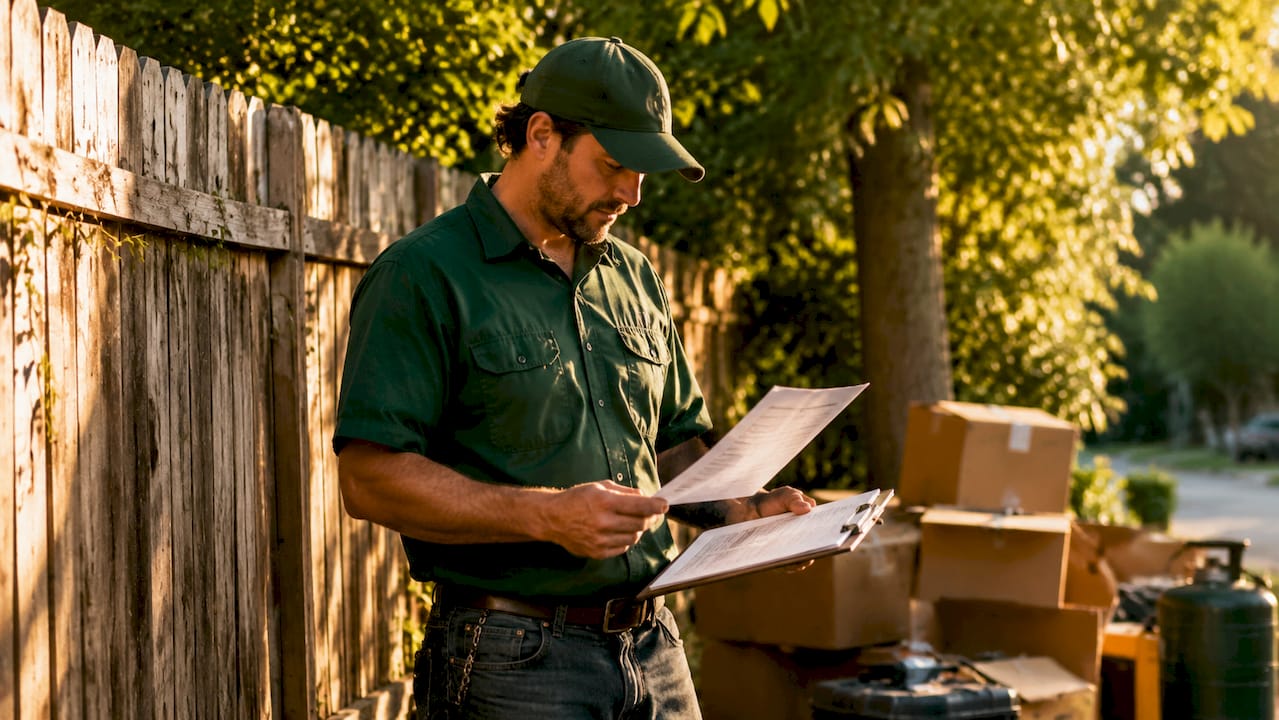
Scheduling is where most investors get tripped up. Haulers frequently reject appliances without documented refrigerant recovery, which causes delays that push back your entire renovation schedule. Always request written proof of refrigerant recovery before your removal crew arrives.
Key compliance steps for appliance disposal:
- Confirm your removal provider holds EPA Section 608 certification.
- Request documented refrigerant recovery for every refrigerator, freezer, and AC unit.
- Separate appliances from general furniture before the crew arrives.
- Never place refrigerant-containing appliances in a standard dumpster.
- Use only EPA-certified and A2L-rated recovery equipment for newer refrigerants.
Pro Tip: Ask your removal service for a written compliance certificate before they haul any refrigerant-containing appliance. That document protects you if a municipality questions the disposal later.
2. How does furniture removal improve home staging and speed up flips?
Staging is not about adding furniture. Staging focuses on removing what stops buyers from imagining their own life in the space. Bulky, dated, or personal furniture competes with the property itself. Buyers walk in and see someone else’s home, not their future one.
The National Association of Realtors recommends removing personal items and oversized furniture as a core staging step. Open floor plans photograph better, feel larger in person, and attract more competitive offers. A sectional sofa that fills a living room makes the room look small in listing photos. Remove it, and the same room looks twice as large.
The proven staging sequence after furniture removal is:
- Declutter every room, including closets and storage areas.
- Depersonalize by removing family photos, collections, and personal decor.
- Deep clean all surfaces, floors, and fixtures.
- Maximize natural light by removing heavy window treatments.
- Arrange only minimal, neutral pieces if any furniture remains.
“Staging isn’t about decorating. It’s about removing everything that prevents a buyer from seeing themselves in the home.” — Best FSBO Guide
Common staging mistakes tied to furniture include leaving one or two large pieces behind “to fill the space,” keeping worn rugs that anchor outdated furniture arrangements, and failing to remove items from garages and basements. Buyers open every door. Empty and clean beats cluttered every time.
Pro Tip: After furniture removal, stage your home strategically with only the pieces that make rooms feel purposeful. Less is almost always more.
3. How long does a flip home cleanout actually take?
Cleanout duration is one of the most underestimated variables in a flip timeline. Small units typically take 2–4 hours. Larger homes with heavy appliances, bulky furniture, and accumulated debris can run 1–3 full days. That range matters when you have contractors scheduled to start right after the cleanout.
The biggest time drain is not the hauling. It is the decision-making. When investors or homeowners have not sorted items before the crew arrives, the crew waits. Pre-planning sorting decisions on what to donate, sell, or trash before removal day directly reduces idle time and lowers your total project cost. Crew size also matters. A two-person team on a four-bedroom house is a recipe for a two-day job that should take one.
Treat the cleanout as its own project phase with its own schedule. Block the time, confirm crew size in advance, and have your donate versus trash decisions made before anyone shows up.
4. What does a flip home cleanout actually cost?
Cleanout costs surprise investors more than almost any other line item. What looks like a $1,000 cleanout can reach $7,500 once you factor in multiple dumpsters, appliance disposal fees, and delays caused by scope creep. That is not an edge case. It is a pattern on foreclosure flips where the previous owner left everything behind.
The two biggest cost drivers are load differentiation and disposal fees. Household junk and construction debris cannot go in the same container. Mixing them forces you to rent separate dumpsters or pay overage fees. Separating these waste streams from the start controls your container count and keeps costs predictable.
Budget the cleanout as a separate line item before renovation begins. Include:
- Labor for the removal crew.
- Appliance disposal fees, including refrigerant recovery if not included in the service.
- Dumpster rental or hauling fees, separated by waste type.
- A contingency buffer for items discovered during the cleanout.
Investors who outsource junk removal to experienced crews consistently report fewer timeline overruns than those who manage it themselves.
5. What are the best appliance disposal options for flip homes?
Three main paths exist for appliance disposal: professional removal services, donation programs, and DIY. Each has a different cost, compliance profile, and time requirement.
| Option | Cost | Compliance | Best For |
|---|---|---|---|
| Professional removal service | Moderate to high | Handled by provider | Investors needing speed and documentation |
| Donation program (Salvation Army) | Free to low | Varies by charity | Usable appliances in working condition |
| DIY hauling | Low upfront | Investor’s responsibility | Small appliances, non-refrigerant items |
Professional removal services are the most reliable option for flip home renovations. Many include refrigerant recovery as part of the service at no extra charge. Certified scrap buyers perform EPA-compliant recovery on all incoming HVAC equipment, which removes the compliance burden from the investor entirely.
Donation programs work well for appliances in working condition. The Salvation Army accepts some large appliances and offers free pickup in many areas. Goodwill typically does not accept large appliances, so confirm acceptance before scheduling a pickup. Donating usable appliances also reduces your disposal fees and keeps items out of landfills.
DIY removal works for small appliances without refrigerants. For anything with a compressor or refrigerant line, DIY creates legal exposure. The compliance documentation burden falls entirely on you, and most municipal disposal sites require proof of refrigerant recovery before accepting the unit.
Pro Tip: Call your local utility company before disposal. Many utilities in Indiana and across the Midwest run appliance recycling programs that pay you a small rebate for old refrigerators and freezers.
6. How to coordinate appliance and furniture removal as separate workflows
Treating appliance removal and furniture removal as one job is the most common planning mistake on flip home renovations. Appliance removal requires different scheduling and compliance documentation compared to furniture hauling. Combining them without a plan creates bottlenecks that delay both.
Run two parallel tracks. Schedule appliance removal first, confirm refrigerant recovery documentation, and clear the appliances before the furniture crew arrives. This keeps your furniture removal services moving without waiting on compliance paperwork. It also lets you assign the right crew to each task. Not every junk removal team is EPA-certified for appliance work.
For full property cleanouts, brief your removal provider on the split before the job starts. Give them a room-by-room inventory if possible. The more information they have before arrival, the faster and cheaper the job runs.
7. What staging steps come after furniture removal?
Furniture removal creates the blank canvas. What you do next determines how buyers respond. The declutter, depersonalize, deep-clean, light, arrange sequence is the industry standard for a reason. It works in every price range and every market.
After the furniture is out, focus on the floors and walls first. Scuffs, nail holes, and worn flooring are immediately visible in an empty room. Repair them before any staging furniture goes back in. Then address lighting. Empty rooms feel dark. Add floor lamps or upgrade bulbs to warm white to make the space feel welcoming in photos and in person.
For pre-listing cleanout preparation, plan your staging decisions before the removal crew arrives. Know which rooms will be staged with minimal furniture and which will be shown empty. That decision affects what you keep on site and what gets hauled away.
Key takeaways
Effective appliance and furniture removal in flip homes requires EPA compliance, pre-planned sorting, and treating appliance disposal as a separate workflow from furniture removal.
| Point | Details |
|---|---|
| EPA compliance is mandatory | Refrigerant recovery by a certified technician is required before disposing of any refrigerator or AC unit. |
| Separate appliance and furniture workflows | Schedule appliance removal first with documentation, then run furniture removal as a separate crew and timeline. |
| Pre-sort before the crew arrives | Deciding donate versus trash before removal day cuts idle time and lowers total cleanout costs. |
| Budget realistically for cleanouts | A cleanout that looks like $1,000 can reach $7,500 when disposal fees and extra dumpsters are factored in. |
| Staging starts with removal | Removing bulky and personal furniture opens floor space and helps buyers picture themselves in the property. |
What I have learned from watching flips go sideways on cleanouts
The flips that run over budget and over schedule almost always share one trait: the investor treated the cleanout as an afterthought. They scheduled contractors before the property was clear, mixed construction debris with household junk in one dumpster, and assumed any hauler could handle appliances. None of those assumptions hold up in practice.
The most useful reframe I have seen is to treat appliance removal as a compliance lane, not a hauling task. Once you think of it that way, the documentation, the certified technician, and the separate scheduling all make sense. You would not skip a permit on a structural repair. Do not skip refrigerant recovery documentation on an appliance.
The second thing that consistently separates fast flips from slow ones is the pre-cleanout sort. Investors who walk the property the day before and tag every item as donate, sell, or trash give their crew a clear job. Crews that arrive to an unsorted house spend the first hour asking questions instead of hauling. That hour costs money and pushes your contractor start date back.
Staging decisions belong in the removal conversation, not after it. Know before the crew arrives which pieces, if any, stay for staging. Changing your mind after the truck is loaded costs you a second trip. Make the call early, commit to it, and let the crew do their job.
— Olga
Ohanapropertyexperts handles the removal so your flip stays on schedule
Appliance and furniture removal on a flip is not a weekend project. It is a compliance-sensitive, time-critical operation that directly affects your renovation start date and your listing timeline.
Ohanapropertyexperts serves Columbus, Indianapolis, Greenwood, Franklin, Seymour, and surrounding Central Indiana communities with EPA-compliant appliance removal and full furniture hauling. Our crews handle the sorting, the documentation, and the disposal so you can hand the property off to your contractors on time. We offer free estimates and same-week scheduling for investors and homeowners on tight flip timelines. Call us at (812) 302-6833 or visit ohanapropertyexperts.com/services to get a quote for your next project.
FAQ
What is EPA Section 608 and does it apply to flip homes?
EPA Section 608 requires certified technicians to recover refrigerant before disposing of refrigerators, freezers, and AC units. It applies to any property, including flip homes, and violations carry penalties up to $44,539 per day.
How long does a full property cleanout take for a flip?
Cleanout time ranges from 2–4 hours for small units to 1–3 full days for larger homes with heavy appliances and bulky furniture. Crew size and pre-sorted decisions are the two biggest factors in how fast the job moves.
Can I donate appliances from a flip home instead of paying for disposal?
The Salvation Army accepts some large appliances with free pickup, but Goodwill typically does not accept large appliances. Confirm acceptance and pickup availability before scheduling, and verify the appliance is in working condition.
What is the difference between appliance removal and furniture removal services?
Appliance removal requires EPA compliance documentation for refrigerant-containing units, while furniture removal does not. Scheduling them as separate workflows prevents compliance delays from holding up your furniture haul.
How do I avoid underestimating cleanout costs on a flip?
Budget cleanout as a standalone project phase and separate household junk from construction debris to control dumpster costs. What appears to be a $1,000 job can reach $7,500 when disposal fees and scope changes are not planned for in advance.