
Homeowners: When to Hire for Basement Cleanout, Stairs, Mold
Basement cleanout plan for homeowners: room by room sequencing, safe hazardous waste handling, and clear hire triggers like steep stairs or mold.
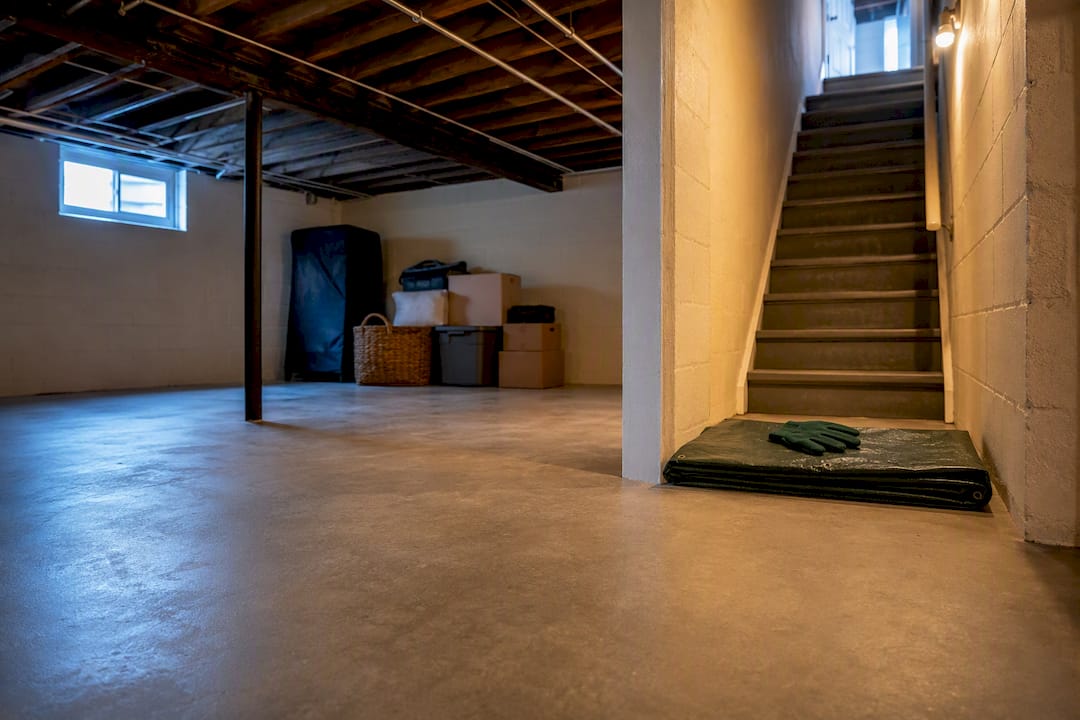
Homeowners: When to Hire for Basement Cleanout, Stairs, Mold
Start by working one zone at a time and sorting every item into keep, donate, sell, recycle, or trash. This five-category system carries you through five phases: zoning, sorting, hazardous-material removal, deep cleaning, and organizing. Most homeowners can DIY the sorting and cleaning, but call in professionals when you’re facing steep stair-carry, visible mold, or bulky appliances you can’t move alone.
TL;DR:
- Proper disposal of hazardous materials requires sealing, separation, and drop-off at certified collection sites to avoid illegal dumping and health hazards.
- Cleaning after a basement clearout involves a sequence from sweeping to mold treatment, with a focus on early detection of moisture or mold issues.
- Durable storage solutions like plastic bins and wall-mounted shelves are essential to withstand basement conditions and prevent long-term damage.
- Hiring professionals is advised when facing multiple flights of stairs, mold, water damage, or heavy appliances that exceed your physical capacity.
- Maintaining basement organization involves regular checks, immediate decisions on items brought in, and addressing problems early to prevent re-cluttering.
Table of Contents
- Planning Your Basement Cleanout: Scope and Supplies
- How Do You Actually Clear Out a Basement Room by Room?
- Handling Hazardous Materials Safely During a Cleanout
- Deep Cleaning and Checking for Moisture After the Clearout
- Choosing Storage That Actually Survives Basement Conditions
- When Should You Hire Professionals Instead of DIYing It?
- Keeping the Basement Clear After the Cleanout
- What Ohana’s Crews See on Every Basement Job
- Ready to Skip the Stair-Carry Yourself? Here’s How We Help
- Sources
Planning Your Basement Cleanout: Scope and Supplies
Walk the space before you touch a single box. Note whether it’s finished or unfinished, how many stairs separate it from the door, and whether you see water stains, damp corners, or a musty smell. That five-minute assessment tells you how long the job will actually take and whether you need extra hands.
Gather supplies before you start so you’re not making trips mid-project:
- Heavy-duty contractor bags and clear storage bins
- Work gloves, an N95 mask, and safety glasses
- A basic tool kit for disassembling shelving or furniture
- Painter’s tape and a marker for labeling
- Furniture dolly or hand truck for heavy items
- Tarps to protect stairs and hallway walls
Plan one zone per session rather than attacking the whole basement in a single weekend. Before you begin, look up your city’s bulk pickup schedule and locate the nearest donation center. This is one project where prep work saves you from a driveway full of unsorted junk by Sunday night.
How Do You Actually Clear Out a Basement Room by Room?
The fastest path through a basement cleanout follows a set order: zone it, empty it completely, sort what’s left, then remove it. Skipping the “empty completely” step is the single biggest reason cleanouts stall.
- Pick one zone. A corner, a shelf unit, a closet. Something small enough to finish in one sitting.
- Empty it fully. Pull everything off the shelf or out of the closet, even items you’re sure you’re keeping. Professional organizers call this the blank-slate method, and Homes & Gardens notes it forces more selective, lasting decisions than sorting item by item while things stay in place.
- Sort on the spot. Four piles: keep, donate/sell, recycle, trash. Don’t create a fifth “maybe” pile. It just becomes next year’s clutter.
- Remove immediately. Carry donation items straight to the car and trash straight to the outdoor bin. Decluttering coaches consistently flag this as the step people skip, and it’s exactly why sorted piles end up back in storage.
- Repeat zone by zone until the room is clear.
Old holiday decorations, outdated electronics, flattened cardboard, and unused exercise equipment show up in nearly every basement cleanout, according to Good Housekeeping’s rundown of common culprits. If you spot these, they’re usually easy keep-or-toss calls.
For bulky pieces like sectional couches or old workbenches, check whether disassembly makes them easier to carry up narrow basement stairs. Label anything staying put with painter’s tape so a helper (or a hired crew) doesn’t second-guess your decisions. Lay a tarp on the stairs before moving heavy items to protect both the item and your walls.
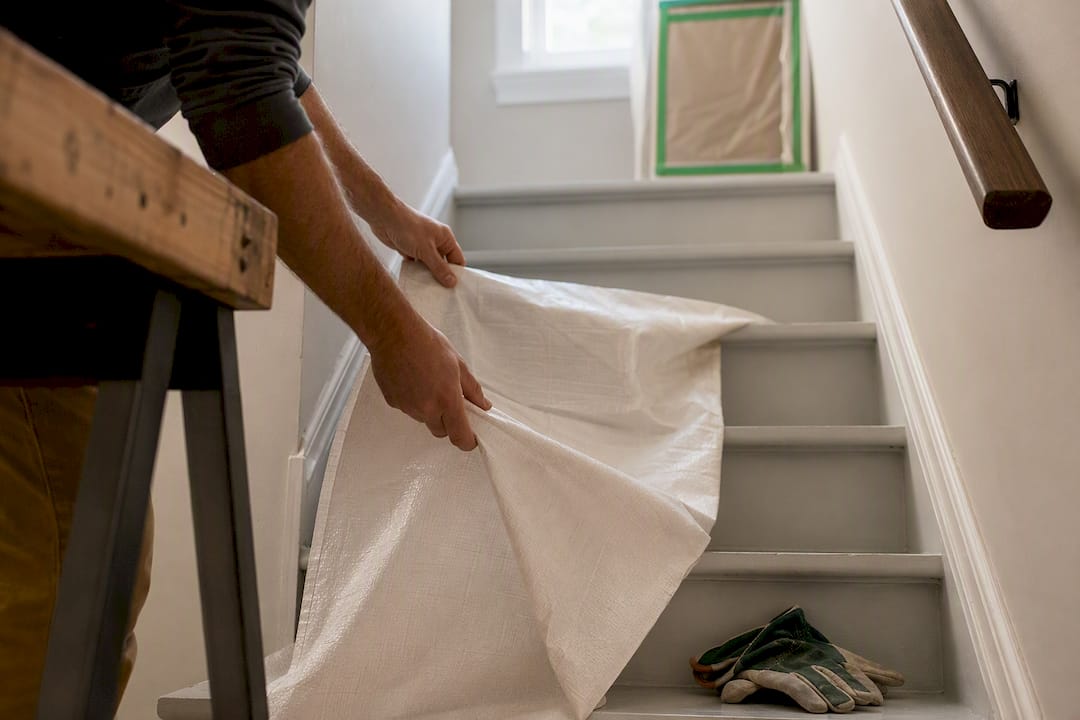
Pro Tip: Finish one zone completely, including the removal step, before starting the next. A half-cleared basement with piles everywhere feels more overwhelming than the mess you started with.
Handling Hazardous Materials Safely During a Cleanout
Basements collect chemicals nobody thinks about until cleanout day. Old paint cans, motor oil, car batteries, propane tanks, pesticides, and outdated electronics all need special handling. None of these belong in your curbside trash can.
- Seal leaking or unlabeled containers in a secondary bag before moving them
- Keep chemicals separated. Never combine unknown liquids
- Take paint, batteries, and pesticides to a local household hazardous waste (HHW) collection event
- Return old electronics to retailer take-back programs (many big-box stores accept them free)
- Have appliances with refrigerant serviced by a licensed technician before disposal
Old paint, batteries, and electronics are the most common hazardous items homeowners find, and each typically requires a disposal route separate from regular trash. If you find a large quantity of chemicals or a container that’s actively leaking, stop and call your local fire department or a hazardous-waste hotline before moving it yourself.
Deep Cleaning and Checking for Moisture After the Clearout
Once the basement is empty, clean in this order: sweep or vacuum the floor first, wipe down shelving and walls, treat any small mold spots with a basic cleaning solution, then steam clean carpet if you have it. This sequence keeps you from smearing dust into damp corners and making the job harder.
- Look for water stains, warped baseboards, or a persistent musty smell
- Check corners and behind where furniture used to sit. Mold hides there
- Photograph anything questionable before you clean it, in case you need it for insurance or a contractor quote
The EPA notes that poor ventilation combined with basement clutter accelerates mold growth and indoor air-quality problems. Clearing the space is your best chance to catch issues early. If mold covers more than a small patch or keeps returning, call a remediation specialist rather than treating it yourself.
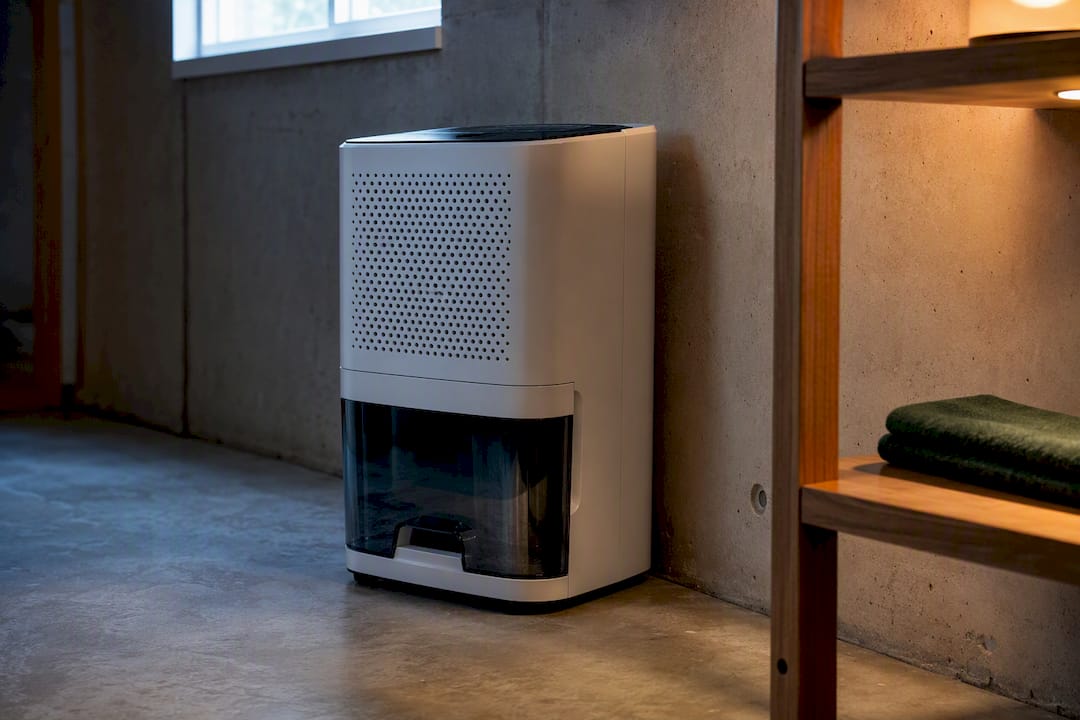
Pro Tip: Run a dehumidifier for a full week after cleaning, even if the basement looks dry. Trapped moisture in concrete takes longer to surface than you’d expect.
Choosing Storage That Actually Survives Basement Conditions
Basements flood, sweat, and swing in temperature more than any other room in the house. Cardboard boxes and wire shelving don’t stand a chance long term.
- Use watertight plastic bins with locking lids, never cardboard, for anything staying long term
- Install wall-mounted shelving or wire racks that keep bins at least a few inches off the concrete floor
- Rolling storage racks work well for seasonal items you rotate in and out
- Label every bin with contents and date on two sides, and keep a simple written inventory taped inside the basement door
Leave clear space around your HVAC unit, sump pump, and any exit path. Basement storage that blocks egress or utility access creates a safety problem you’ll regret later. A partner resource like One Day Doors & Closets has good examples of durable shelving systems built for exactly this kind of space. Keep frequently used items (tools, seasonal decor you rotate every few months) near the entrance instead of buried in the back.
When Should You Hire Professionals Instead of DIYing It?
Some basements are a weekend project. Others need a crew. The clearest signals you should hire out: multiple flights of narrow stairs, visible mold or water damage on contents, large appliances like old freezers or water heaters, or simply not having the physical ability to haul heavy loads yourself.
A professional basement cleanout typically includes a photo-based estimate, the actual removal labor, donation routing for usable items, and a broom-swept finish when the crew leaves.
- Volume is the first pricing factor. More stuff means a bigger loader and more time on site
- Stair-carry is usually the second, and often the biggest, swing factor in your quote
- Special handling (appliances, mattresses, hazardous items) typically adds a line item
Stair access and load size are consistently cited as the primary drivers of junk removal pricing, more than almost any other factor. When you request quotes, take photos that show both the stairwell and a wide shot of the basement. It helps crews size the job accurately instead of guessing. If you want to understand exactly what’s included before you call anyone, this breakdown of what cleanout companies do walks through typical scope and deliverables.
Keeping the Basement Clear After the Cleanout
A cleanout only sticks if you build in a light maintenance habit. This doesn’t need to be complicated.
- Do a five-minute quarterly scan of storage bins to catch drift before it piles up.
- Keep one donation box near the stairs year-round. Add to it as you go instead of waiting for another big purge.
- Apply the “touch once” rule: when you bring something down, decide immediately where it lives or whether it should leave.
- Investigate any new smell, stain, or leak the same week you notice it. Small problems stay small if you catch them early.
What Ohana’s Crews See on Every Basement Job
Basement jobs almost always come down to two things: how much is down there, and how hard it is to get up the stairs. We size our crew around the second factor first, because a narrow stairwell with a switchback landing takes more hands and more time than double the volume in an open walkout basement. If you’re expecting a crew, clear a walking path and set aside anything you’re keeping in one visible spot. It saves everyone guesswork on arrival.
— Olga
Ready to Skip the Stair-Carry Yourself? Here’s How We Help
There are services available for homeowners who’d rather not spend a weekend hauling boxes up basement stairs themselves. These services handle basement cleanouts, estate cleanouts, and general junk removal in Central Indiana, with donation routing built into the process.

If you’d rather book a crew than tackle the stairs, request a photo estimate through our services page. Send a wide shot of the basement and a photo of the stairwell so we can size the job and quote it accurately before we ever step on-site. Estimates are free, and if the scope turns out bigger than expected once we’re there, we’ll walk you through the adjustment before any work starts. For larger properties or estate situations layered on top of a basement cleanout, our full property cleanout services cover the whole job, not just one room.
Sources
- Care for Your Air: A Guide to Indoor Air Quality (EPA)
- Golden rules for a clutter-free basement (Homes & Gardens)
- How much does junk removal cost? (Extra Space Storage guide)