
What Happens During a Full Cleanout: A Homeowner's Guide
Discover what happens during full cleanout and how it keeps your plumbing clear. Learn the process and its benefits for your home.
What Happens During a Full Cleanout: A Homeowner’s Guide
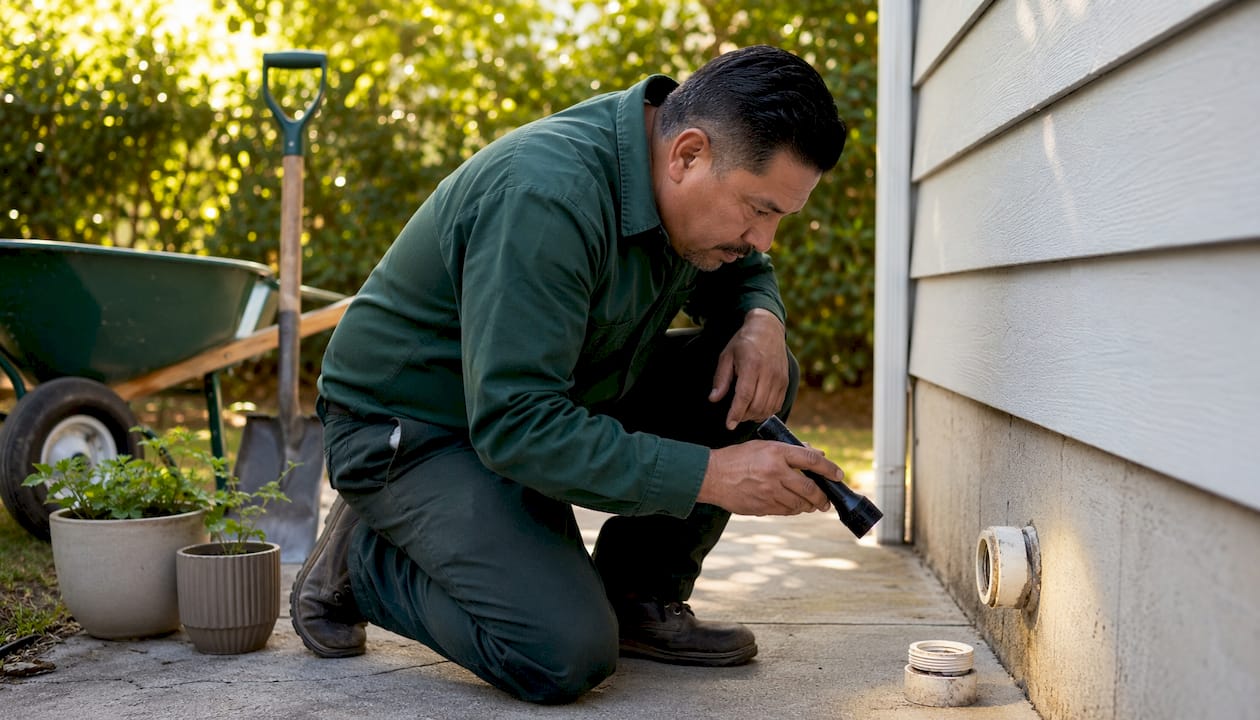
A full cleanout gives you direct access to your home’s main sewer or drain line through a capped fitting called a cleanout point. From there, technicians can inspect, clear, and restore flow without tearing into walls or pulling fixtures. Here is exactly what the process covers:
- A technician locates and opens the cleanout cap to access the main sewer or drain line
- The line is inspected using a camera or visual check to identify the blockage type
- Roots, grease, scale, or debris are cleared using snaking or hydro-jetting
- Wastewater pressure is relieved to stop backups from spreading into the home
- The line is flushed to confirm restored flow and no residual buildup
Why sewer cleanouts are critical for your plumbing
A cleanout provides direct access to the main sewer line, which means a plumber can respond to a backup in minutes rather than hours. Without one, clearing a clogged line requires removing a toilet, cutting into a wall, or digging up a yard. That is a much bigger job.
- Provide fast pressure relief during backups, preventing sewage from entering living spaces
- Serve as maintenance access points for routine cleaning and camera inspections
- Enable early detection of root intrusion, pipe damage, or developing blockages
- Support emergency response without destructive repairs
- Lower long-term repair costs by catching problems before they become full obstructions
Pro Tip: Scheduling a routine camera inspection through your cleanout every few years catches partial blockages early. A simple cleaning costs far less than a full sewer backup repair.
What types of sewer cleanouts look like and where to find them
Sewer cleanouts are short vertical capped pipes, typically 3–4 inches in diameter, installed directly on the main sewer or drain line. They come in two common configurations.
- Single cleanout: One access point, usually outdoors near the property line or foundation
- Two-way cleanout: Provides access in both directions along the sewer line, useful for diagnosing blockages closer to the street or closer to the house
- Outdoor cleanouts are typically found in the yard near the property line or along the exterior foundation
- Indoor cleanouts appear in basements or utility areas near the main waste line
- Caps must stay intact; a missing or cracked cap allows sewer gases into the building and is a code violation
Location and accessibility directly affect how quickly a technician can start work. A buried or blocked cleanout slows the entire job.
Pro Tip: Mark your outdoor cleanout with a small flag or landscaping stone. If a backup happens, your plumber will thank you for saving 20 minutes of searching.
How to use a cleanout safely and spot signs of trouble
Opening a cleanout cap is not complicated, but it does require care. The cap acts as a pressure-release point during backups, so opening it slowly while standing to the side prevents a sudden spill of wastewater.
- Wear gloves and eye protection before touching the cap
- Loosen slowly; stop immediately if sewage pushes out under pressure
- Never pour chemical drain cleaners into a cleanout, as they can damage pipe walls and create safety hazards
- Watch for these signs that your cleanout or main line is clogged:
- Multiple drains backing up at the same time
- Gurgling sounds from toilets when another fixture drains
- Foul odors indoors or around the cleanout
- Water pooling near the outdoor cleanout
- Call a licensed plumber when symptoms connect across multiple fixtures or the cleanout itself looks tilted, buried, or damaged
Routine cap maintenance also matters. Cleaning the threads and reapplying pipe-thread sealant after every service keeps the plug removable for future access.
The full cleanout process from start to finish
Understanding the full cleanout process helps you know what to expect in cleanout day and how to prepare. Here is how a professional job runs from arrival to completion.
1. Initial walkthrough and scope confirmation The crew arrives and does a quick walkthrough with whoever is on site. This confirms what needs to go, what stays, and whether anything changed since the estimate. For sewer work, this step identifies the cleanout location and the likely blockage type.
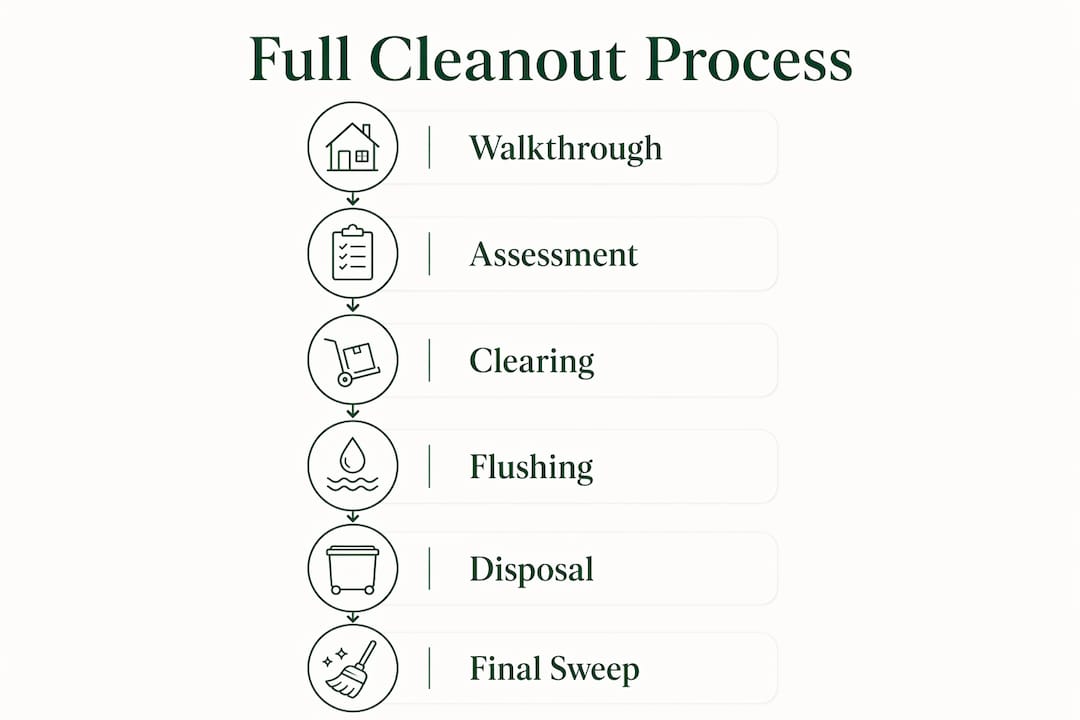
2. Access and diagnosis Technicians access the sewer line via the cleanout fitting. A camera inspection identifies whether the issue is roots, grease, scale, offset joints, or a damaged pipe section. The diagnosis determines which clearing method comes next.
3. Clearing the blockage
- Snaking: A mechanical snake breaks up or retrieves clogs without fixture removal
- Hydro-jetting: High-pressure water scours pipe walls clean of grease and sludge buildup
- The method depends on blockage type and cleanout accessibility
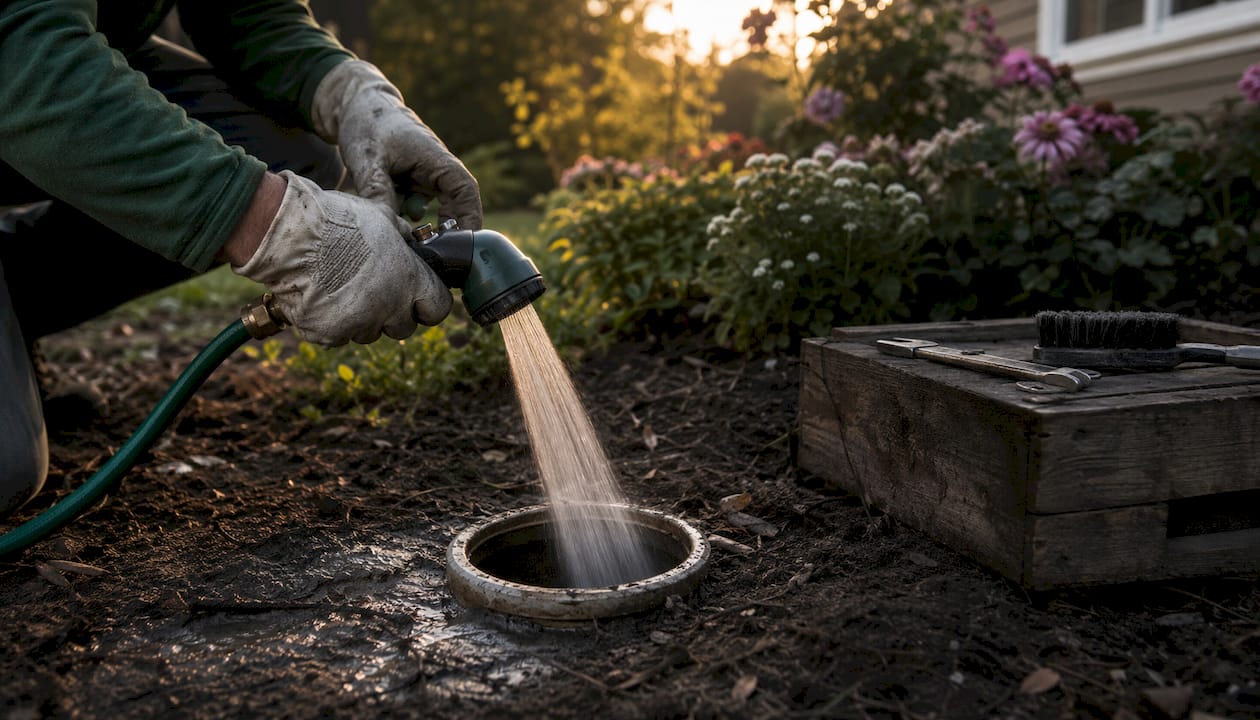
4. Flushing and flow confirmation After clearing, the line is flushed with water to confirm restored flow and check for any residual buildup. This step catches secondary blockages before the job closes.
5. Sorting and responsible disposal For property cleanouts Dallas-Fort Worth, items are sorted during loading for landfill, donation, recycling, and e-waste handling. Appliances and metals go to recycling; usable furniture and clothing go to donation organizations; electronics require separate e-waste disposal.
6. Final sweep and site readiness A thorough final sweep leaves the property broom-clean and ready for inspection, renovation, or occupancy. Emptying large items without finishing the sweep is a common shortcut that leaves a property not truly ready.
Timeline: Cleanout job durations vary by scope, with smaller jobs usually taking a few hours and larger or more complex estates requiring multiple days based on volume and access.
Ready to clear your property the right way? Ohanapropertyexperts handles full property cleanouts across Central Indiana with transparent pricing, responsible disposal, and a crew that leaves your space genuinely ready for what comes next. Call us at (812) 302-6833 or get a free estimate today.

Key Takeaways
A full cleanout restores sewer line flow through direct access, proper diagnosis, and targeted clearing, leaving the property ready for its next step.
| Point | Details |
|---|---|
| Access through the cleanout | Technicians open the capped fitting to reach the main sewer line without invasive repairs. |
| Diagnosis before clearing | A camera inspection identifies root intrusion, grease, or pipe damage before choosing snaking or hydro-jetting. |
| Timeline varies by scope | Garage cleanouts typically take 2–4 hours; full house jobs are completed in 4–8 hours; hoarding or large estate scenarios may require 1–3 days depending on volume and access. |
| Responsible disposal matters | Items are sorted during loading for landfill, donation, recycling, and e-waste to reduce re-handling. |
| Final sweep is non-negotiable | A broom-clean finish, not just item removal, is what makes a property truly ready for its next use. |
Recommended
- What Cleanout Companies Do Explained for Homeowners | Ohana Property Services
- Property Cleanout Benefits Home Sales: Seller’s Guide | Ohana Property Services
- What Cleanout Companies Do for Seniors: 2026 Guide | Ohana Property Services
- Cleanout Service Agreements Explained for Property Owners | Ohana Property Services