
Difficult Estate Cleanout Situations: Real Examples and Insights
Discover real examples of difficult estate cleanout situations. Gain insights and practical guidance for tackling challenging cleanouts effectively.

Difficult Estate Cleanout Situations: Real Examples and Insights
Estate cleanout, the professional term for clearing and disposing of a deceased or transitioning person’s belongings, becomes genuinely difficult when hoarding, family conflict, hidden hazards, or complex logistics enter the picture. These are not rare edge cases. Hoarding disorder affects 2%–6% of adults, with adults 55 and older representing the most common group. That means a significant share of estate executors and family members face situations far more complicated than a standard weekend cleanout. The examples of difficult estate cleanout situations below cover the full range of challenges, with practical guidance for each.
1. What makes hoarder estate cleanouts uniquely challenging
Hoarded estates sit on a severity spectrum. At the lower end, you find cluttered rooms and overflowing closets. At the upper end, you find structural damage, collapsed floors, blocked exits, and biohazards that require professional remediation before anyone can safely enter.
The most dangerous mistake families make is calling a standard junk removal company first. Hiring junk removal first in a hoarded estate causes the unintentional loss of valuable items. Crews trained to haul debris fast will discard heirlooms, cash, and legal documents along with the trash. A hoarding specialist assessment must come before any removal work begins.
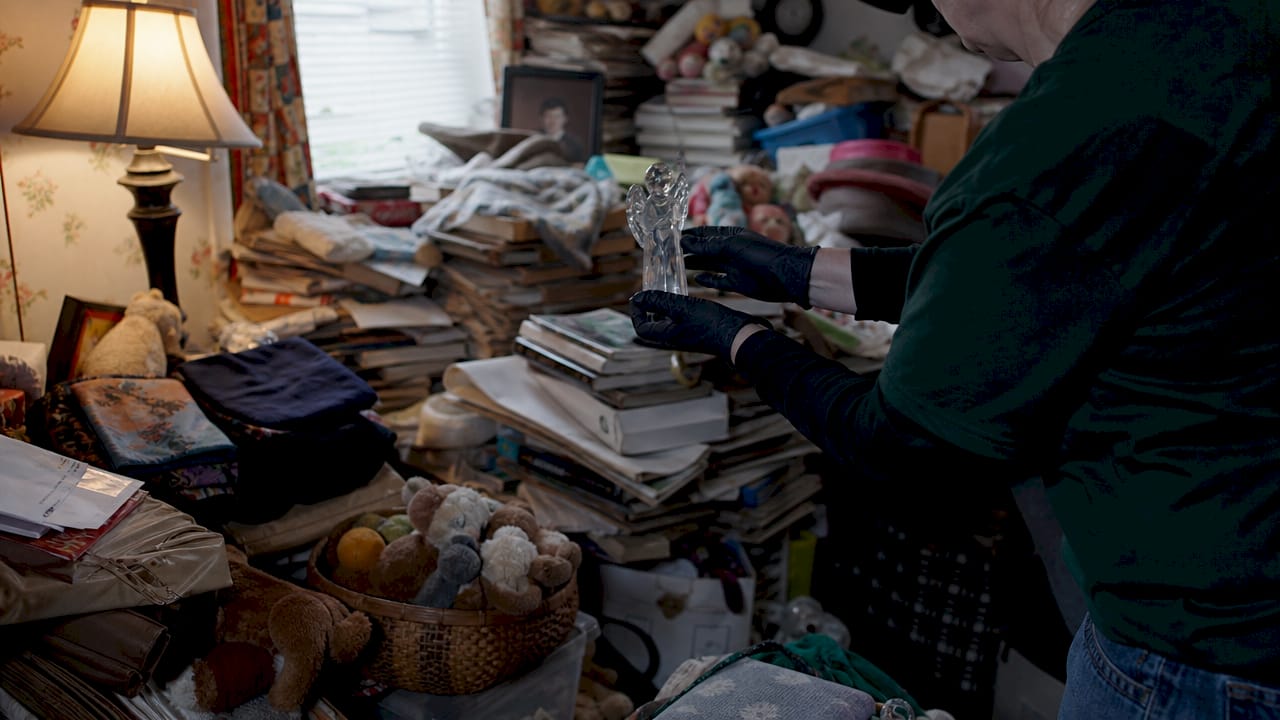
Timeline expectations also catch families off guard. Moderate to severe cleanouts typically take 4–12 weeks. A rushed weekend attempt almost always requires multiple return trips, which costs more time and money than a planned approach.
Key challenges specific to hoarded estates include:
- Structural hazards such as weakened floors, rodent damage, and fire risks from stacked materials
- Biohazards including animal waste, mold colonies, and decomposition that require licensed remediation
- Hidden valuables like cash in coffee cans, stock certificates in books, and jewelry in coat pockets
- Emotional complexity when family members disagree about the deceased’s condition or the home’s contents
Pro Tip: Before touching anything in a hoarded estate, walk through with a hoarding specialist or a professional cleanout company. A trained eye can identify items worth preserving that an untrained person would discard.
2. Family conflict examples and how poor structure makes cleanouts harder
Family conflict is one of the most common estate cleanout challenges executors face, and it rarely comes from malice. Conflict typically arises from lack of structure, not bad intentions. When multiple people have equal say and no defined process, every decision becomes a negotiation, and grief makes every negotiation feel personal.
Common sources of tension include:
- Multiple decision-makers with no designated lead, causing repeated disagreements over the same items
- Emotional attachment vs. practical needs, where one sibling wants to keep everything and another wants to sell quickly
- Geographic dispersion, where out-of-state family members cannot be present but still want input
- Unequal labor, where one person does most of the physical work and builds resentment
The solution is structural, not emotional. Appointing a single lead decision-maker, agreed upon by all parties before the cleanout starts, removes the need for consensus on every item. Pairing that with three clear categories, keep, sell, and donate, shifts the conversation from feelings to logistics.
“Family conflict during estate cleanouts almost always comes down to unclear roles and undefined expectations. When everyone knows their job and the categories are set in advance, the emotional temperature drops significantly. Structure is the kindest thing you can give a grieving family.”
A neutral third party, whether a professional cleanout company, an estate attorney, or a mediator, can also absorb conflict that would otherwise land between siblings. Ohanapropertyexperts regularly works alongside families in exactly this role, providing a calm, professional presence that keeps the process moving. For more on reducing tension, the guide on calm estate cleanout approaches covers practical methods in detail.
3. Hidden hazards and logistics that complicate estate clearance
Not every difficult property cleanout involves hoarding. Standard estates can still present serious hazards that require professional assessment before work begins.
Common hidden hazards include:
- Mold growing behind walls or under floors, especially when water damage combined with years of accumulated clutter
- Asbestos in older homes built before 1980, found in floor tiles, insulation, and ceiling materials
- Chemical storage including old pesticides, paint thinners, and fuel cans that require licensed disposal
- Pest infestations such as rodents or cockroaches that create biohazard conditions throughout the property
- Animal waste from pets that were not properly cared for in the final months of the owner’s life
The cost difference between standard and hazardous cleanouts is significant. Standard junk removal runs $800–$3,000, while bioremediation for severe biohazard conditions costs $2,000–$10,000 or more. Families who skip the safety assessment and proceed with standard removal can face remediation costs on top of a redo of the entire cleanout.
| Hazard Type | Professional Required | Typical Cost Impact |
|---|---|---|
| Standard clutter | Cleanout crew | $800–$3,000 |
| Mold or water damage | Bioremediation specialist | $2,000–$10,000+ |
| Asbestos | Licensed abatement contractor | Varies by scope |
| Chemical waste | Licensed hazmat disposal | Varies by volume |
Estate cleanouts today are increasingly complex due to longer lifespans, multi-generational households, and geographically dispersed families. What once took a weekend now routinely becomes a multi-month project.
Pro Tip: Always request a safety walkthrough before signing any cleanout contract. A reputable company will identify hazards upfront and tell you when a specialist is needed before removal begins.
4. Emotional and procedural overwhelm: how families struggle with estate cleanouts
Emotional challenges including guilt, anxiety, family disagreements, and decision paralysis are among the most consistent factors that slow estate cleanouts and lead to costly mistakes. Grief does not follow a schedule, and sorting through decades of belongings while mourning is genuinely exhausting work.
Decision fatigue leads to paralysis. When families try to process an entire house at once, they often freeze, unable to make even simple choices about ordinary items. The result is hours spent in one room with little to show for it.
The most common procedural mistakes families make include:
- Rushing the document search, which causes them to miss wills, insurance policies, and financial records buried in drawers or filing cabinets
- Discarding items before valuation, particularly furniture, art, and collectibles that may have significant resale or sentimental value
- Attempting a full DIY cleanout without professional help, which typically results in multiple incomplete attempts and higher total costs
- Skipping the estate sale step, leaving money on the table that could offset cleanout and probate costs
- Failing to photograph items before removal, which creates disputes later about what was kept, sold, or discarded
Professional cleaners regularly find cash and important documents in unexpected places: inside books, tucked into coat pockets, and stored in coffee cans. Families who rush through the process without professional support miss these discoveries. A methodical approach to sorting a parent’s belongings prevents these losses and reduces the emotional toll of having to revisit decisions later.
The most effective counter to emotional overwhelm is working in small, defined areas. Completing one drawer or one shelf at a time creates visible progress and gives grieving family members a sense of control in a situation that otherwise feels unmanageable.
Key takeaways
Difficult estate cleanouts require structure, safety awareness, and professional support to avoid costly mistakes and family conflict.
| Point | Details |
|---|---|
| Assess hazards first | Always conduct a safety walkthrough before any removal work begins to identify mold, pests, or biohazards. |
| Appoint one decision-maker | A single lead contact with clear authority reduces family conflict and speeds up the entire process. |
| Never rush document search | Hidden cash, wills, and financial records are frequently missed in rushed cleanouts. |
| Plan for realistic timelines | Moderate to severe cleanouts take 4–12 weeks; budget time and money accordingly. |
| Use professional help for hoarded estates | A hoarding specialist assessment before junk removal prevents the loss of valuables and heirlooms. |
What I’ve learned from watching families face their hardest cleanouts
After working alongside families through some of the most difficult property transitions imaginable, I’ve come to believe that the biggest source of pain in estate cleanouts is not the physical work. It’s the gap between what families expect and what the situation actually requires.
Families often arrive thinking they can finish in a weekend. They leave three months later, exhausted and still not done. The homes that take longest are rarely the most cluttered. They’re the ones where no one agreed on a process before starting.
The families who get through it with the least damage, to relationships and to the estate’s value, are the ones who slow down at the beginning. They take time to assess the property, assign clear roles, and set a realistic schedule. That patience at the start saves weeks of backtracking later.
Grief is real, and it belongs in this process. Pretending the emotional weight doesn’t exist makes it worse. The cleanouts I’ve seen go smoothly are the ones where families gave themselves permission to feel the loss while still moving forward with structure and outside support.
If you’re managing a complex estate, please don’t try to carry it alone. Professional help is not a sign of failure. It’s the most practical decision you can make for your family and for the estate.
— Olga
Ohanapropertyexperts is here for the hard ones
Difficult estate cleanouts require more than a truck and a crew. They require patience, safety knowledge, and a team that understands what families are going through.

Ohanapropertyexperts serves families across Columbus, Seymour, Indianapolis, Franklin, Greenwood, and surrounding Central Indiana communities. Our team handles full estate cleanout services for situations involving hoarding, hazards, family conflict, and tight timelines. We provide free estimates, clear communication, and a compassionate approach from the first call to the final haul. We also offer a full range of property cleanout services for every stage of the transition. Call us at (812) 302-6833 to talk through your situation with no pressure and no obligation.
FAQ
What qualifies as a difficult estate cleanout?
A difficult estate cleanout involves complicating factors such as hoarding, biohazards, family conflict, hidden hazards, or geographically dispersed decision-makers. These situations require more time, professional expertise, and careful planning than a standard property clearance.
How long does a hoarded estate cleanout take?
Moderate to severe hoarded estate cleanouts typically take 4–12 weeks. Rushed attempts almost always require multiple return trips, extending the total timeline and cost.
Why do families struggle so much with estate cleanouts?
Families struggle because grief, decision fatigue, unclear roles, and unexpected hazards all hit at the same time. Emotional challenges including guilt and decision paralysis are the most consistent factors that slow the process and lead to mistakes.
What hidden items are most commonly missed during estate cleanouts?
Cash, legal documents, and stock certificates are the most frequently missed items. Professional cleaners find them in books, coat pockets, coffee cans, and filing cabinets that families overlook during rushed clearances.
When should a family hire a professional estate cleanout company?
Hire a professional when the estate involves hoarding, biohazards, family disagreements, or a property that needs to be cleared quickly for sale or probate. Professional teams prevent the loss of valuables, manage safety risks, and reduce conflict between family members.