
How to Dispose of Unwanted Items During Relocation
Learn how to effectively dispose of unwanted items during relocation. Streamline your move and enjoy a fresh start with practical tips!
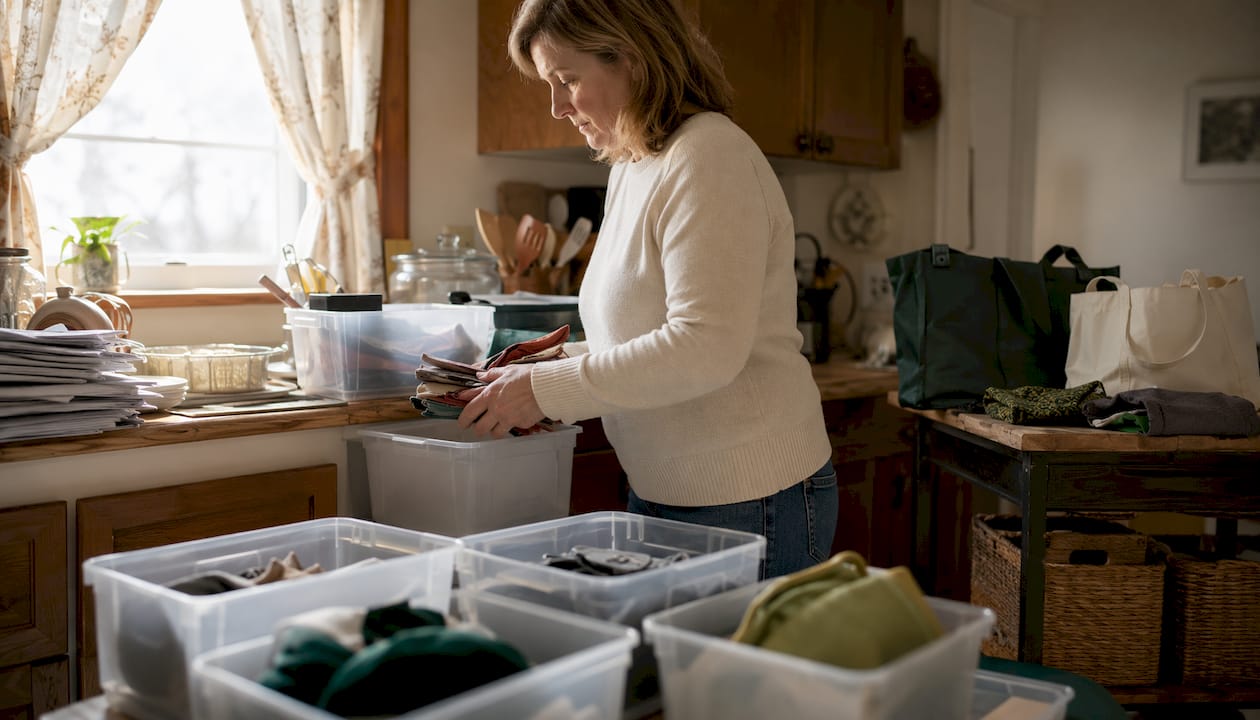
How to Dispose of Unwanted Items During Relocation
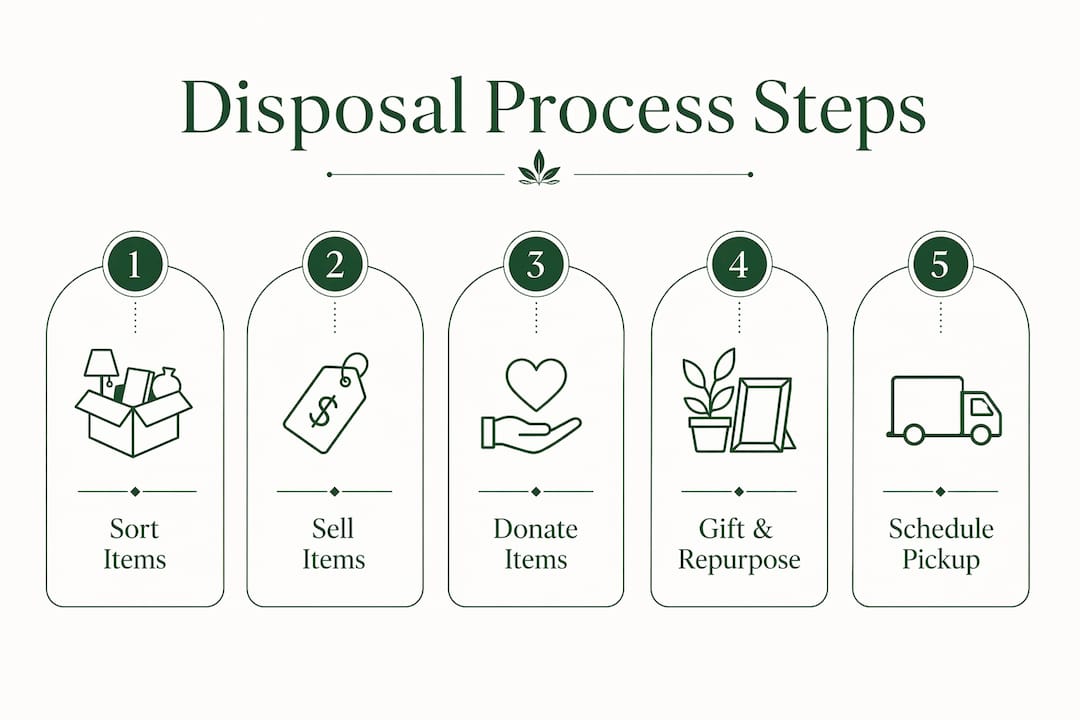
The most effective way to dispose of unwanted items during relocation is to start early, sort by condition, and match each item to the right exit: sell it, donate it, gift it, recycle it, or trash it responsibly. Waiting until moving week turns a manageable task into a stressful scramble. Getting rid of old belongings before you pack means fewer boxes, lower moving costs, and a cleaner start in your new home.
Here is a quick overview of your main options:
- Sell: Online marketplaces, garage sales, and Facebook Marketplace work well for items in good condition.
- Donate: Organizations like Habitat for Humanity ReStore, Goodwill, and the Salvation Army accept furniture, appliances, and household goods.
- Gift: Pass items directly to family, friends, neighbors, or community free-cycle groups.
- Recycle: Electronics, appliances, paint, and hazardous materials all have dedicated recycling programs.
- Trash or bulk haul: For items that cannot be sold, donated, or recycled, schedule city bulk pickup or hire a junk removal service.
Each method works best for a specific type of item and condition. The sections below walk you through every step, from building your inventory to handling hazardous waste.
How do you plan and inventory items before your move?
Professional organizers recommend starting the decluttering process 6–8 weeks before moving day, working from your least-used spaces first. Garages, storage rooms, and spare bedrooms hold the most forgotten items and are the least emotionally loaded, which makes them the right starting point. Save bedrooms and living spaces for last.
Building a written inventory is the single most useful thing you can do before you start hauling anything out. Walk each room with a notepad or your phone and assign every item to one of five categories: keep, sell, donate, gift, or trash. This prevents you from accidentally donating something you need or paying to move something you planned to discard.
Key planning milestones:
- 6–8 weeks out: Complete your full home inventory; identify large items needing special pickup or donation scheduling.
- 4–6 weeks out: List items for sale online or schedule a garage sale date.
- 3–4 weeks out: Contact donation organizations to schedule pickups, which typically require 1–2 weeks notice.
- 2–3 weeks out: Schedule city bulk item pickup, which can require 2–4 weeks advance notice in many municipalities.
- 1 week out: Book a junk removal service for anything remaining, which typically needs 3–5 days notice.
- Moving week: Final sweep, remove all donation bags and trash so nothing lingers.
A room-by-room approach keeps the process from feeling overwhelming. Tackle one space per day if your schedule allows. When you finish a room, close it off mentally and move on.
Pro Tip: Label boxes with their destination category as you sort, not just their contents. A box marked “Donate — Kitchen” is far easier to act on than a mystery box you will have to re-sort later.
How can you sell unwanted items before your move?
Selling is the best way to offset moving costs, but it requires realistic time investment in pricing, photography, and communication. Facebook Marketplace, Craigslist, and OfferUp are the most effective platforms for furniture and large household goods because buyers can arrange local pickup. eBay works better for smaller collectibles, tools, and electronics that ship easily.

Set a firm sales deadline at least two weeks before your move date. If an item has not sold by that deadline, pivot immediately to donation or gifting rather than holding out for a buyer who may never come. Last-minute sales pressure leads to underselling or, worse, leaving items behind.
Tips for faster, more successful sales:
- Photograph items in good natural light against a clean background.
- Price 20–30% below what you see on similar listings to move items quickly.
- Write clear descriptions that include dimensions, brand, age, and any flaws.
- Respond to inquiries within a few hours; slow responses lose buyers fast.
- Arrange safe meetups in public places or hand off from your driveway.
Pro Tip: Bundle related items into a single listing. A set of matching nightstands, a coffee table with side tables, or a full set of pots and pans sells faster and at a better combined price than individual pieces listed separately.
Garage sales still work well for moving situations, especially when you have a high volume of lower-value items. Price everything clearly, advertise on Nextdoor and Facebook Events at least a week in advance, and plan for a single weekend rather than dragging it out.
Where can you donate household items when relocating?
Donation is the right move for items in good, usable condition that did not sell or that you simply want to pass on quickly. The key organizations accepting furniture, appliances, and household goods across the United States include Habitat for Humanity ReStore, Goodwill, the Salvation Army, and local shelters or community organizations. Each has its own rules about what it accepts and how pickups work.
Donation pickups for large items like furniture typically require scheduling 1–2 weeks in advance, so do not wait until the week before your move to make the call. Drop-off is always faster if you can transport items yourself.
| Organization | Accepts | Pickup Available | Notes |
|---|---|---|---|
| Habitat for Humanity ReStore | Furniture, appliances, building materials | Yes, varies by location | Items must be in good, usable condition |
| Goodwill | Clothing, furniture, small appliances, electronics | Limited; drop-off preferred | No broken or heavily worn items |
| Salvation Army | Furniture, clothing, household goods | Yes, schedule in advance | Call local center to confirm accepted items |
| Local shelters | Bedding, clothing, kitchen items | Varies | Contact directly; needs vary by shelter |
| Vietnam Veterans of America | Furniture, clothing, household goods | Yes, many states | Free pickup; schedule online or by phone |
Items that cannot be donated include anything broken, heavily stained, structurally unsafe, or missing key components. Donating unusable items wastes the organization’s time and resources. When in doubt, call ahead and describe the item before loading it into your car.
The environmental case for donation is straightforward. Every piece of furniture or appliance that goes to a ReStore or Goodwill stays out of a landfill and gets a second life with someone who needs it. For organizing items for relocation with a donation-first mindset, pairing disposal method to item condition is the most responsible approach.
If you have working refrigerators or freezers, check with your local utility company first. Some utility rebate programs offer $25–$75 plus free pickup for working units as part of appliance efficiency programs.
How does gifting and repurposing reduce your moving load?
Gifting is faster than selling and more personal than donating. When you know a neighbor needs a bookshelf or a family member has been eyeing your dining set, a direct handoff saves everyone time. It also carries less emotional weight than watching a stranger haul away something you cared about.

Start by sending a simple message to your inner circle before you list anything publicly. Post a photo in a family group chat or text a few neighbors. You may be surprised how quickly items find new homes this way. For a broader reach, community free-cycle networks like Freecycle and local Facebook “Buy Nothing” groups connect you with neighbors who want exactly what you are giving away.
Common items well-suited for gifting or repurposing:
- Bookshelves, side tables, and accent chairs
- Gardening tools, pots, and outdoor furniture
- Kitchen gadgets, small appliances, and pantry staples
- Children’s toys, games, and books
- Craft supplies, fabric, and hobby equipment
- Partially used cleaning products and toiletries
Repurposing is worth a moment of thought before you discard anything. An old dresser becomes a garage storage unit. A wooden ladder becomes a bookshelf. These are not complicated projects, and they extend the life of items that would otherwise go to the curb. That said, do not let repurposing become a reason to move things you will never actually use. If you cannot name a specific plan for it, let it go.
What should you know about bulk waste and junk removal during a move?
Trash and bulk waste disposal is where most moves get complicated. Regular curbside pickup will not handle furniture, mattresses, large appliances, or construction debris. You need a separate plan for these items, and that plan needs to start early.
City bulk item pickup is free in most municipalities, but scheduling requires 2–4 weeks notice. Call your local sanitation department or check your city’s website as soon as you know your move date. Some cities limit how many items you can put out per pickup, so ask about restrictions upfront.
For larger volumes or items that cannot wait for a city pickup, a professional junk removal service is the most practical option. These services typically need 3–5 days notice and handle everything from furniture and appliances to general household debris. Ohanapropertyexperts provides full property cleanout services across Central Indiana, including move-out cleanouts, appliance removal, and debris hauling, so you do not have to manage multiple vendors.
Do’s and don’ts for bulk waste and junk removal:
- Do schedule city bulk pickup as early as possible.
- Do separate recyclables, hazardous materials, and general trash before your pickup date.
- Do check whether your municipality requires items to be bagged, boxed, or broken down.
- Don’t leave items on the curb without scheduling a pickup first.
- Don’t place hazardous materials in regular trash or bulk piles.
- Don’t assume your moving company will haul away items you are not taking.
Leaving belongings behind without proper disposal is illegal dumping. Landlords can charge disposal fees of $50–$200 per item and may pursue legal action for thousands of dollars in cleanup costs. Never assume a landlord will simply handle what you leave behind.
Hazardous materials, including paint, cleaning chemicals, propane tanks, and pesticides, cannot go in regular trash or on a moving truck. The EPA requires specialized drop-off to prevent contamination. Locate your county’s household hazardous waste collection events well before moving day, since these events are often scheduled only a few times per year. Your county’s public works or environmental services website is the fastest way to find upcoming dates.
For electronics, Best Buy and Staples both offer recycling programs. Broken TVs, printers, and small electronics should never go in curbside bins. The Earth911 search tool helps you find certified e-waste recyclers by ZIP code.
Expert advice on timing your disposal process before moving
Starting 6–8 weeks before your move is not just a suggestion from professional organizers. It is the only timeline that gives you enough runway to handle every disposal channel properly. Donation pickups, city bulk services, and junk removal companies all have lead times that stack up fast when you are also coordinating a move.
Olga at Ohana Property & Transition Services has worked through hundreds of property transitions across Central Indiana. The pattern she sees most often: homeowners underestimate how long disposal actually takes, then end up paying to move items they planned to discard or leaving things behind that cost them their security deposit. Starting early and working the disposal process in parallel with packing is what separates a smooth move from a chaotic one.
Municipal services deserve special attention. City bulk pickup windows of 2–4 weeks mean you need to make that call before you have even finished sorting. Donation organizations with 1–2 week pickup windows need to be contacted at roughly the same time. Layering these timelines is what the inventory process in week one makes possible.
Pro Tip: For sentimental items you cannot keep but struggle to part with, photograph them before they leave your home. A photo album of your grandmother’s china or your children’s first artwork preserves the memory without requiring you to move the physical object.
Hazardous waste collection events are another scheduling constraint that catches people off guard. These events are often held only quarterly in smaller counties. Find your local hazardous waste event schedule the moment you know your move date, and work backward from there.
One more thing worth knowing: most people discover they own far more than they realized once they start sorting. That is not a personal failing. It is simply what happens when you live somewhere long enough. The goal is not perfection. It is making deliberate decisions about each item rather than defaulting to “just pack it and figure it out later.”
Key Takeaways
The most effective approach to disposing of unwanted items during relocation is to start 6–8 weeks out, sort by condition, and match each item to the right disposal channel before moving week arrives.
| Point | Details |
|---|---|
| Start 6–8 weeks early | Professional organizers recommend this window to allow time for all disposal channels. |
| Schedule pickups in advance | City bulk pickup needs 2–4 weeks notice; donation pickups need 1–2 weeks notice. |
| Match method to condition | Sell or donate items in good shape; recycle or trash what cannot be reused. |
| Handle hazardous materials separately | Paint, chemicals, and propane require EPA-designated drop-off, never regular trash. |
| Leaving items behind costs money | Landlords can charge $50–$200 per item for disposal and may pursue further legal action. |
Ready to clear your property before your move?
When the volume of unwanted items is too large to handle on your own, or when time is short, Ohanapropertyexperts is ready to help. We handle full property cleanouts, move-out debris removal, appliance hauling, and estate cleanouts across Columbus, Indianapolis, Greenwood, Franklin, and surrounding Central Indiana communities. Our team works fast, communicates clearly, and leaves your property clean and ready for the next step.
Call us at (812) 302-6833 or visit ohanapropertyexperts.com/services to request your free estimate. We provide transparent pricing with no surprises, and we can often schedule within days of your call.