
How to Dispose of Large Furniture Items the Right Way
Learn how to dispose large furniture items efficiently. Explore options like donation, recycling, and professional services to save time and money.

How to Dispose of Large Furniture Items the Right Way
Disposing of large furniture items is defined as the process of removing bulky household pieces, such as sofas, bed frames, dressers, and sectional couches, through municipal collection, donation, recycling, or professional removal services. Getting this wrong costs you money, time, and sometimes a fine. The right approach depends on your location, the condition of the furniture, and how fast you need it gone. Whether you are moving, downsizing, or managing an estate cleanout, knowing your options before you drag anything to the curb makes the whole process faster and less stressful.
What are the main methods to dispose of large furniture items?
Four core furniture disposal options cover most situations: municipal bulk pickup, donation or resale, self-haul to a drop-off facility, and hiring a professional removal service. Each has different costs, scheduling requirements, and eligibility rules.
-
Municipal bulk pickup. Most cities offer scheduled collection for large items, but they rarely happen automatically. You typically call or go online to book a pickup window. Many cities require scheduled pickup rather than automatic curbside set out, with limits on item size and number. Missing the booking step is the most common mistake homeowners make.
-
Donation and resale. If your furniture is in good condition, organizations like Habitat for Humanity ReStores, Salvation Army, and Goodwill accept large pieces. Online platforms like Facebook Marketplace and Craigslist let you list items for free pickup by buyers. This is the most eco-friendly furniture disposal path because it extends the item’s life and keeps it out of the landfill.
-
Self-haul to a drop-off center. You rent a truck, load the furniture, and bring it to a county waste facility or transfer station. This works well for one or two pieces when you have the time and a vehicle. Call ahead because drop-off facilities often reject wood, plastic, or upholstered furniture and recommend reuse or recycling alternatives instead.
-
Professional junk removal or cleanout services. A crew comes to your home, loads everything, and hauls it away. This is the fastest option and the best fit for full property cleanouts, estate cleanouts, or situations where you have more than a few pieces. Ohanapropertyexperts offers furniture removal services across Central Indiana with free estimates and same-week scheduling.
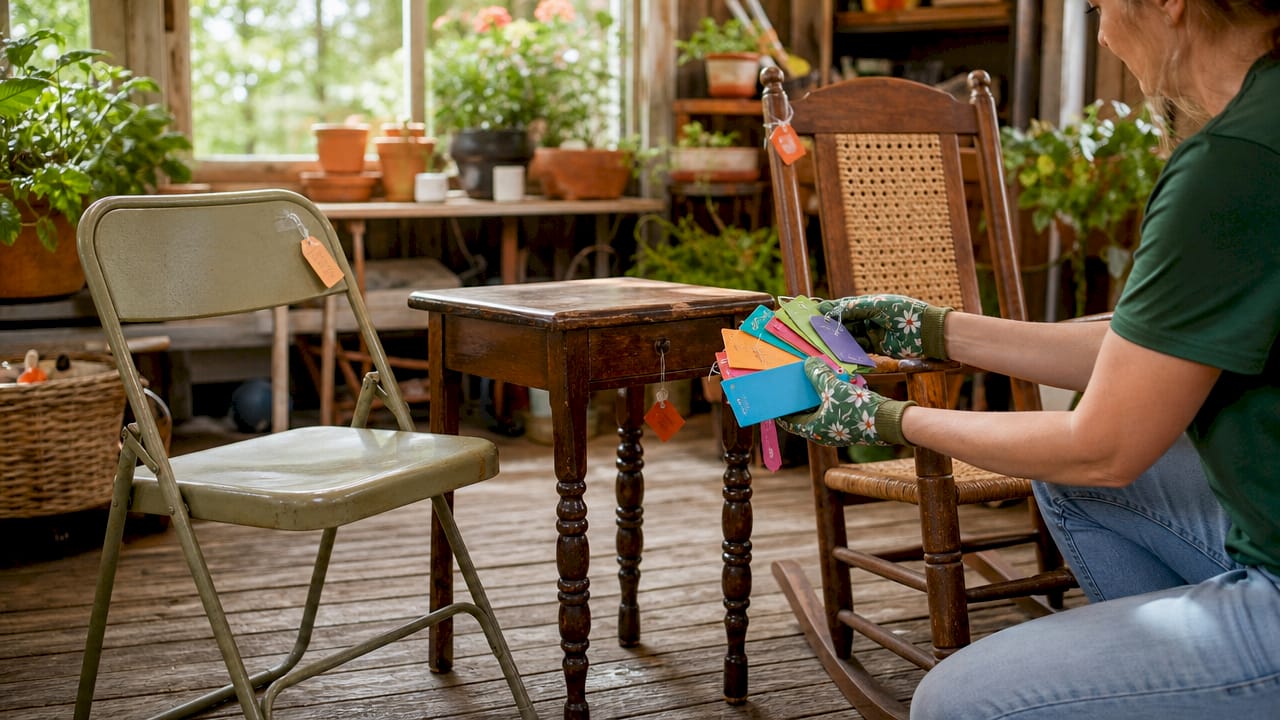
Pro Tip: Sort your furniture by condition before choosing a method. Good condition pieces go to donation or resale. Worn or broken pieces go to bulk pickup or professional removal. Mixing them together wastes time.
How to schedule a municipal bulky item pickup properly
Municipal bulk pickup is the most misunderstood furniture disposal option. Rules vary significantly by city, and skipping any step can result in your items sitting uncollected or triggering a fine.
-
Check your municipality’s website first. Search for “bulk item pickup” or “large item collection” plus your city name. Look for item limits, scheduling windows, and any fees. This single step prevents most problems.
-
Schedule your pickup in advance. Most cities do not allow spontaneous curbside placement. Atlanta allows 12 free bulk pickups per year and requires items be placed in the right-of-way no earlier than 7 p.m. the day before collection. Portland charges an $18 pickup fee plus per-item charges, with extra large items like sectional couches costing $29 on top of that fee.
-
Understand item limits and size restrictions. Minneapolis collects up to two large items weekly with specific placement and labeling rules. Hillsborough County, FL charges $30–$50 per item depending on furniture category and requires advance scheduling before placing anything at the curb.
-
Place items correctly on collection day. Keep furniture away from mailboxes, parked cars, and powerlines. Place it in the right-of-way, not on the sidewalk or in the street. Timing matters. Atlanta requires placement after 7 p.m. the night before. Portland requires items out by 6 a.m. on pickup day.
-
Do not disassemble furniture before collection. Minneapolis warns that disassembled furniture gets tagged as building materials, which collection crews do not pick up as large items. Leave pieces intact unless your municipality explicitly says otherwise.
Pro Tip: Take a photo of your furniture at the curb right after placement. If the crew skips your items, that photo gives you documentation to dispute the missed pickup with your city’s waste department.
What are the alternatives when municipal options don’t work?
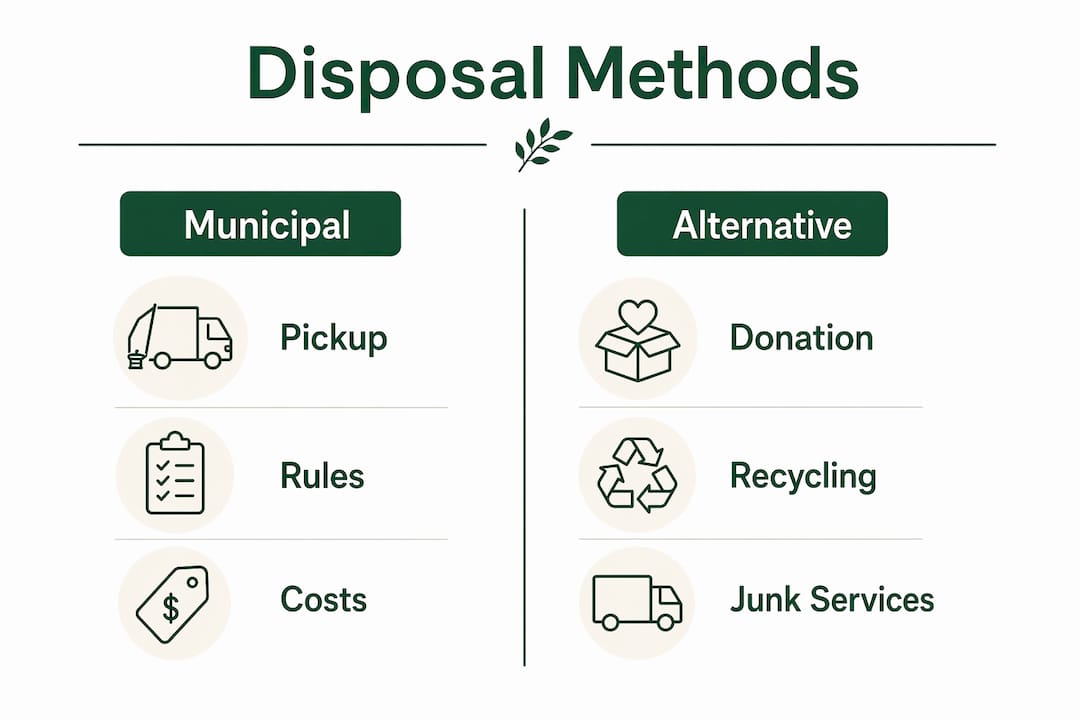
Municipal pickup does not suit every situation. Tight timelines, item type restrictions, and quantity limits push many homeowners toward alternative furniture disposal options.
Donation and recycling paths
Habitat for Humanity ReStores accept sofas, tables, chairs, and bed frames in good condition and resell them to fund affordable housing. The Salvation Army offers free furniture pickup for qualifying donations. Both organizations handle eco-friendly furniture disposal by diverting usable pieces from the waste stream. Recycling is a separate path for furniture that is too worn to donate. Metal frames, wood components, and some foam materials can be recycled at specialized facilities, but acceptance criteria vary by county.
Mattresses and upholstered items need special attention
Mattresses and upholstered furniture face stricter regulations than standard furniture. Boston restricts mattress pickup to buildings with six units or fewer, limits pickups to 10 per year, and requires appointments. Hennepin County imposes extra restrictions on mattresses and upholstery, so separating these items early avoids delays in your overall disposal plan. If your city does not offer mattress pickup, search for a local mattress recycling program or ask a professional removal service to handle it.
Comparing disposal alternatives
| Method | Best for | Typical cost | Eco-friendly? |
|---|---|---|---|
| Municipal bulk pickup | 1–2 items, good timing | Free to $50 per item | Moderate |
| Donation (Habitat, Salvation Army) | Good condition furniture | Free | High |
| Self-haul to drop-off center | Small loads, flexible schedule | Rental truck cost | Moderate |
| Professional junk removal | Large volumes, fast timelines | Varies by load | Moderate to high |
Professional junk removal services handle sorting, loading, and responsible disposal in one visit. For estate cleanouts or full property clearances, this is the most practical path.
How to troubleshoot common furniture disposal challenges
Even well-planned furniture disposal runs into problems. Knowing how to respond keeps your project on track.
-
Items not picked up on collection day. Document the placement with photos and contact your city’s waste department or 311 line the same day. Photographing placed items supports dispute resolution when pickups are missed or misunderstood. Most cities will reschedule within a few days if you report promptly.
-
Unexpected fees. Fee surprises happen when homeowners assume bulk pickup is free. Always confirm costs before scheduling. Portland and Hillsborough County both charge per-item fees that add up quickly for multiple pieces.
-
Items rejected at drop-off facilities. Call the facility before loading your truck. Ask specifically about wood furniture, upholstered pieces, and mattresses. Rejection policies differ by county, and a wasted trip costs you time and fuel.
-
Scheduling conflicts during moves or estate cleanouts. Municipal pickup windows rarely align with tight move-out deadlines. Estate cleanouts benefit from early coordination with waste services to schedule pickups and avoid overfill fees as items are sorted and removed. When timing is critical, a professional removal service gives you control over the schedule.
-
Furniture that does not meet size or condition requirements. Some cities reject items that are too large for standard collection trucks. Measure large pieces before scheduling and confirm your city’s cubic yard or dimension limits. For oversized items, professional haulers are the reliable fallback.
Understanding your jurisdiction’s exact bulky item disposal workflow prevents frustration and additional costs. Research local rules before moving a single piece to the curb.
Key takeaways
The most effective way to get rid of large furniture items is to match your disposal method to your timeline, item condition, and local municipal rules before anything leaves your home.
| Point | Details |
|---|---|
| Research local rules first | Municipal bulk pickup rules vary widely; check your city’s website before scheduling. |
| Never disassemble before pickup | Disassembled furniture may be reclassified as building materials and left uncollected. |
| Separate mattresses early | Mattresses and upholstered items face stricter rules and need separate handling. |
| Document your placement | Photograph items at the curb to support dispute resolution for missed pickups. |
| Use professional services for volume | Estate cleanouts and full property clearances are faster and more reliable with a professional crew. |
What I have learned from years of furniture disposal work
Working boots-on-the-ground through hundreds of cleanouts across Central Indiana has taught me one consistent truth: most furniture disposal problems are created in the first five minutes of planning. Homeowners assume their city will pick up anything left at the curb. They do not. Rules around timing, item limits, and item condition are specific and enforced.
The second pattern I see constantly is people waiting too long to separate problem items. Mattresses, upholstered sofas, and particleboard furniture all carry restrictions that standard bulk pickup does not cover. Pull those out first. Handle them separately. That one step alone prevents the most common disposal delays I see during moves and estate cleanouts.
The eco-friendly disposal argument is real, not just marketing. Donating a solid wood dresser to a Habitat for Humanity ReStore keeps it out of a landfill and puts it in someone’s home. That matters. But condition is the deciding factor. Worn, stained, or structurally compromised furniture does not belong in a donation stream. It belongs in a professional removal load where it can be sorted and disposed of responsibly.
My honest advice: if you have more than four or five large pieces to move, stop trying to coordinate municipal pickups and call a professional service. The time you save is worth more than the pickup fee. And if you are managing an estate cleanout, early coordination with a removal team is not optional. It is the difference between a two-day job and a two-week headache.
— Olga
Ohanapropertyexperts handles large furniture removal in Central Indiana
Clearing a home full of furniture is a different job than moving one sofa to the curb. Ohanapropertyexperts is a family-owned property cleanout and junk removal company serving Columbus, Indianapolis, Greenwood, Seymour, and surrounding Central Indiana communities. We handle full property cleanouts, estate cleanouts, move-out cleanouts, and single-item furniture removal with the same transparent, fast service every time.

We sort, load, and haul responsibly, donating usable items where possible and disposing of the rest in compliance with local regulations. No hidden fees. No scheduling guesswork. Call us at (812) 302-6833 or visit our services page to get a free estimate and book your pickup.
FAQ
How do I schedule a bulk furniture pickup with my city?
Visit your city’s waste management website and search for “bulk item pickup” or “large item collection.” Most cities require advance scheduling by phone or online portal before you place anything at the curb.
Can I put furniture out the night before bulk pickup?
Rules vary by city. Atlanta allows placement after 7 p.m. the night before collection. Other cities require items out by a specific morning hour. Always confirm your city’s exact timing rules before placing furniture outside.
What happens if my furniture is not picked up on collection day?
Document the placement with photos and contact your city’s 311 line or waste department the same day. Most municipalities will reschedule a missed pickup within a few days when you report it promptly.
Are there free options to get rid of large furniture?
Yes. Donation organizations like Habitat for Humanity ReStores and the Salvation Army offer free pickup for furniture in good condition. Municipal bulk pickup is also free in many cities, though some charge per-item fees of $30–$50.
When should I hire a professional furniture removal service?
Hire a professional when you have more than four or five large pieces, face a tight move-out deadline, or are managing an estate cleanout. Professional services like Ohanapropertyexperts handle sorting, loading, and responsible disposal in a single visit.