
The Role of Cleanout in Property Maintenance
Discover the vital role of cleanout in property maintenance. Save on plumbing costs and protect your property's value with essential insights.
The Role of Cleanout in Property Maintenance
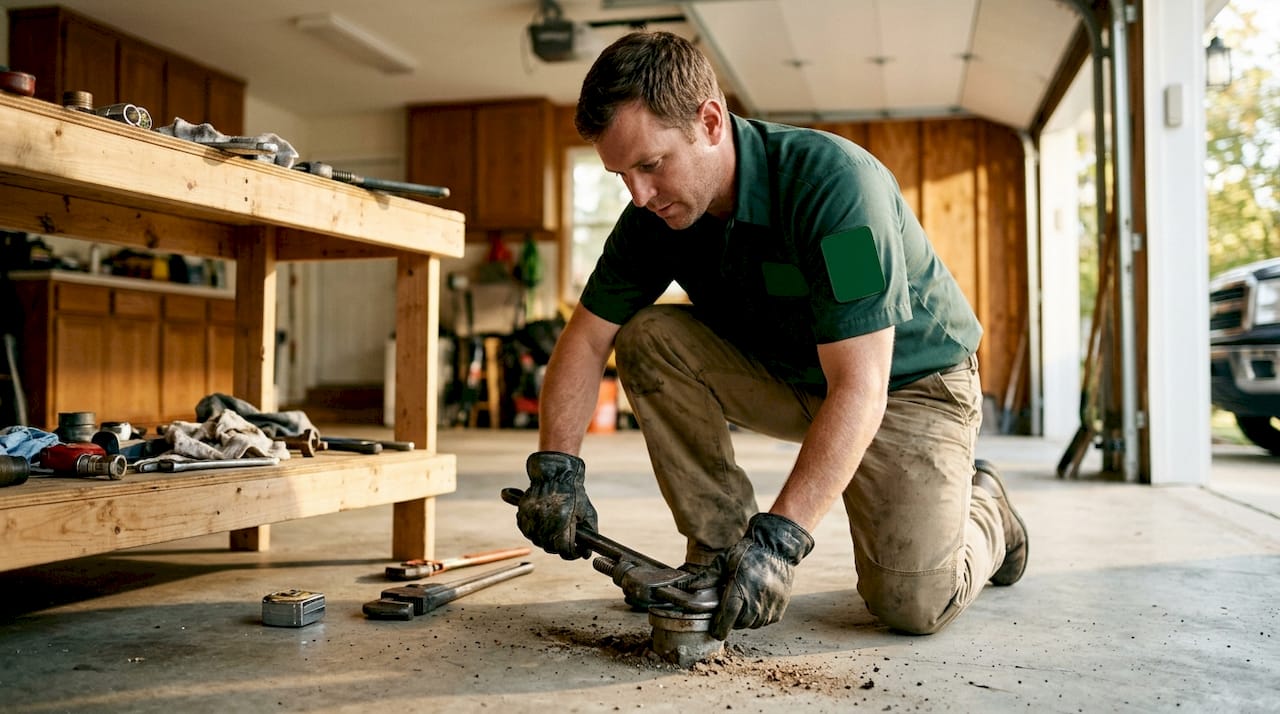
A cleanout is a capped access pipe built into a property’s sewer or drainage system, and its role in property maintenance is to give plumbers direct entry to clear blockages, run inspections, and verify flow without tearing into walls or floors. Property owners who treat cleanouts as an afterthought pay for it in emergency service bills, extended vacancies, and appraisal complications. The good news is that understanding how cleanouts function across plumbing maintenance, tenant turnover, staging, and code compliance puts you in a position to protect both your property’s condition and its market value.
How do cleanouts reduce plumbing maintenance costs?
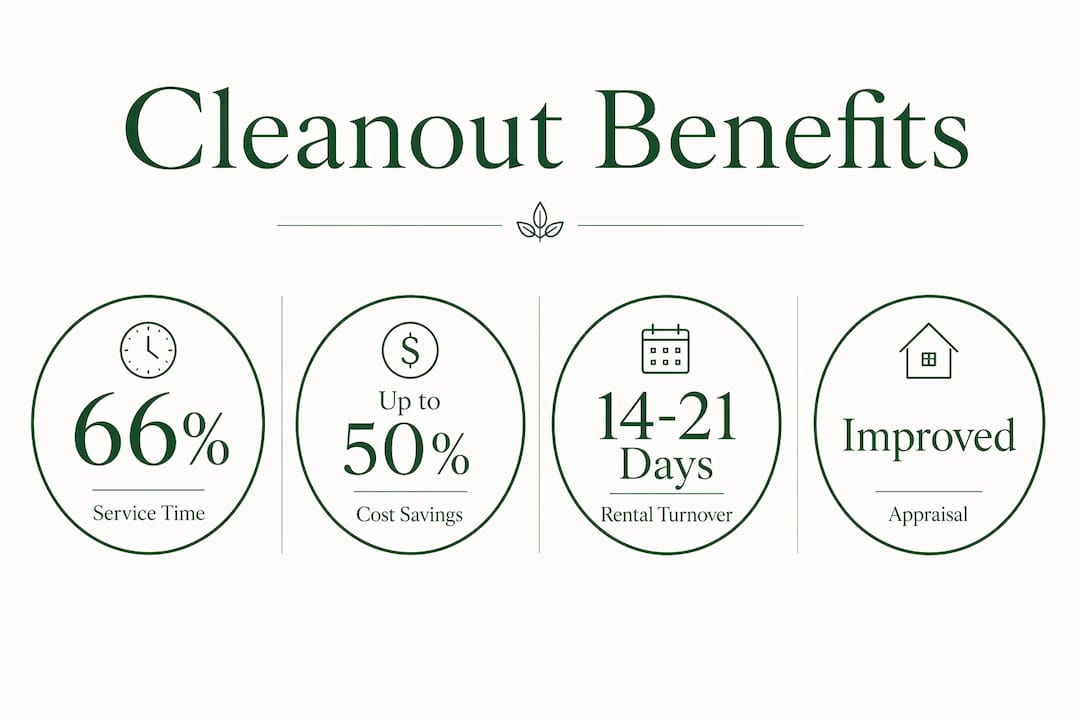
Cleanout access is the single biggest variable in how long and how much a sewer service call costs. A properly located sewer cleanout cuts sewer rodding time from 60–90 minutes down to 30 minutes, reducing labor costs and emergency response times by 50–66%. That difference compounds fast when you manage multiple units or deal with recurring blockages.
Without a cleanout, plumbers must locate an alternative entry point, often through a roof vent stack or a toilet flange. That adds time, increases the risk of collateral damage, and raises the final invoice. Properties with accessible cleanouts get faster service and smaller bills every time.

Older properties often have cleanouts buried under finished flooring, covered by landscaping, or sealed behind drywall during past renovations. This makes them effectively invisible until a blockage forces the issue. Locating a lost cleanout before a crisis hits is one of the most cost-effective maintenance steps a property owner can take.
Pro Tip: If you own a pre-1980 property in Central Indiana, ask a licensed plumber to run a sewer camera from the roof vent to map your drain line. This often reveals buried cleanout caps that can be excavated and restored for a fraction of emergency service costs.
The role of cleanout in property maintenance extends beyond emergency response. Routine camera inspections through a cleanout catch root intrusion, grease buildup, and pipe degradation early. Early detection means scheduled repairs at standard rates instead of emergency calls at premium rates.
What is the role of cleanout between tenants?
Rental turnover is where cleanout management pays off most visibly. The typical rental turnover window runs 14–21 days, and every day a unit sits vacant costs you rental income. A cleanout that is accessible and documented shortens the time a plumber needs to verify drain function before the next tenant moves in.
Professional turnover cleanouts do more than clear drains. Professional rental turnover cleanings save landlords over 10 hours of manual labor per unit and reduce maintenance requests in the first 90 days of tenancy, with typical costs running $300–$500 per property. That is a direct trade of a predictable expense for an unpredictable one.
Property managers who build cleanout verification into their turnover checklist see three specific benefits:
- Faster plumbing sign-off. Accessible cleanouts let a plumber confirm drain function in one visit instead of two.
- Fewer day-one complaints. Tenants who move into a unit with verified, clear drains report fewer plumbing issues in the first month.
- Cleaner documentation. Move-out inspections combined with cleanout documentation reduce disputes and speed up security deposit dispositions.
Professional cleaning acts as a reset for asset condition. Tenants who move into a clean, well-maintained unit are more likely to report small issues early, before those issues become expensive repairs. That behavior pattern is worth more than the cost of the turnover service itself.
Integrating cleanout checks into your landlord cleanout workflow also creates a paper trail. That documentation protects you if a tenant later claims a drain problem existed before they moved in.
How do cleanouts affect property staging and valuation?
The role of cleanout in property staging is less obvious than its plumbing function, but the financial impact is real. A property that has been fully cleared of debris, with accessible and documented infrastructure, signals to buyers and appraisers that the owner has maintained the asset responsibly.
Cleanouts shift a property’s narrative from fixer-upper to move-in ready, directly improving buyer perception and appraisal confidence. Appraisers note deferred maintenance. A missing or inaccessible cleanout is a deferred maintenance flag, and it can trigger a lower valuation or a buyer request for a credit.
The table below shows property value factors where cleanout access and cleanout services have a measurable influence:
| Value factor | How cleanouts contribute |
|---|---|
| Appraisal condition rating | Accessible sewer infrastructure supports a higher condition score |
| Buyer inspection results | Clear drains and documented cleanout access reduce inspection findings |
| Days on market | Move-in-ready presentation shortens listing periods |
| Negotiation leverage | Fewer deferred maintenance items reduce buyer credit requests |
| Tenant quality (rentals) | Clean, verified units attract tenants who maintain properties better |
Pre-listing cleanout services also create a tax planning opportunity. Donating high-quality items during cleanouts can generate significant tax deductions through IRS Form 8283 filing, offsetting the cost of the cleanout service itself. That detail rarely appears in standard staging advice, but it changes the math for sellers clearing large estates or investment properties.
Following debris removal best practices before a listing also reduces the visual clutter that suppresses perceived value in photos and showings. Buyers make emotional decisions fast. A clean, open property reads as cared for, and that perception influences offers.
What are the code and compliance requirements for cleanouts?
Cleanout installation is not optional in most jurisdictions. Code mandates often require property line cleanouts to prevent sewage contamination and foundation damage. Noncompliance risks insurance claim denial when a sewer backup causes property damage.
That last point deserves attention. If a sewer backup floods a basement and your property lacks a required cleanout, your insurer may deny the claim on the grounds that the property was not code-compliant. The cost of installing a cleanout is a fraction of a denied claim.
Verifying cleanout compliance involves four steps:
- Pull your permit history. Your local building department keeps records of permitted plumbing work. A cleanout installed without a permit may not meet current code.
- Hire a licensed plumber for a sewer scope. A camera inspection confirms cleanout location, condition, and accessibility without excavation.
- Check property line requirements. Many municipalities require a two-way cleanout at or near the property line, separate from any interior cleanouts.
- Document everything. Keep photos, inspection reports, and permit numbers in your property file. This protects you during insurance claims and property sales.
Environmental compliance is a related concern. A missing or damaged cleanout increases the risk of untreated sewage reaching soil or groundwater during a backup event. That exposure creates liability beyond the insurance question.
Pro Tip: Before closing on any investment property in Central Indiana, request a sewer scope as part of your due diligence. A $200–$400 inspection can reveal missing cleanouts, root intrusion, or pipe collapse that would cost thousands to address after closing.
Key Takeaways
Cleanouts are the most cost-effective access point in a property’s maintenance system, and neglecting them raises costs, extends vacancies, and creates compliance risk across every stage of ownership.
| Point | Details |
|---|---|
| Plumbing cost savings | Accessible cleanouts cut sewer service time by up to 66%, reducing emergency labor costs. |
| Turnover efficiency | Documented cleanout access shortens rental turnover timelines and reduces day-one tenant complaints. |
| Staging and valuation | Clean, accessible sewer infrastructure improves appraisal condition ratings and buyer perception. |
| Code compliance | Missing cleanouts risk insurance claim denial and environmental liability under local code mandates. |
| Tax offset opportunity | Donating items during cleanouts can generate IRS Form 8283 deductions that offset service costs. |
What I’ve learned from watching owners skip cleanout maintenance
After working with property owners across Central Indiana through Ohanapropertyexperts, I have seen the same pattern repeat: owners invest in visible upgrades like paint and flooring, then ignore the infrastructure underneath. Cleanout maintenance falls into that invisible category until something goes wrong.
The owners who manage properties most profitably treat cleanout access as a baseline, not a bonus. They schedule sewer scopes before listing, verify cleanout locations during turnover, and keep documentation in their property files. That habit costs very little and prevents a lot.
What surprises most landlords is how directly cleanout condition affects tenant behavior. A unit that has been professionally cleared and documented before move-in sets a standard. Tenants notice. They are more likely to report a slow drain early when they move into a property that clearly has been maintained. That early report is the difference between a $150 drain cleaning and a $3,000 water damage repair.
My honest recommendation is to add cleanout verification to your property maintenance checklist right now, before the next turnover or listing. The cost of a sewer scope is predictable. The cost of skipping it is not.
— Olga
Ohanapropertyexperts: property cleanout services for Central Indiana
Property owners and managers in Columbus, Indianapolis, Greenwood, and surrounding Central Indiana communities rely on Ohanapropertyexperts for fast, transparent cleanout services that protect property value and reduce turnover time.
Ohanapropertyexperts handles full property cleanouts, debris removal, estate cleanouts, appliance removal, and move-out cleanouts for landlords, realtors, and investors. Every job comes with a free estimate and a team that shows up on time. Whether you are preparing a unit for a new tenant or clearing a property before listing, Ohanapropertyexperts makes the process straightforward. Call (812) 302-6833 or visit ohanapropertyexperts.com/services to schedule your free estimate today.
FAQ
What is a sewer cleanout and why does it matter?
A sewer cleanout is a capped pipe that gives plumbers direct access to a property’s drain line for clearing blockages and running inspections. Properties with accessible cleanouts receive faster, less expensive service than those without.
How does a cleanout reduce rental turnover time?
A verified, accessible cleanout allows a plumber to confirm drain function in a single visit, shortening the plumbing sign-off step in a turnover. The typical turnover window is 14–21 days, and faster plumbing clearance keeps that timeline on track.
Can a missing cleanout affect a property appraisal?
A missing or inaccessible cleanout signals deferred maintenance to appraisers and home inspectors, which can lower a condition rating or trigger buyer credit requests. Documented, accessible sewer infrastructure supports a stronger appraisal outcome.
What happens if my property does not meet cleanout code requirements?
Noncompliance with local cleanout code mandates can result in insurance claim denial when a sewer backup causes property damage. Verifying compliance before a loss event is the only way to protect your coverage.
How often should property owners schedule cleanout inspections?
A sewer scope through the cleanout every 2–3 years is a practical baseline for most residential properties. Properties with mature trees near the drain line or a history of blockages benefit from annual inspections.