
What Movers Won't Take: Junk Removal Handles the Rest
Discover how junk removal handles the items movers won't take. Prepare ahead and ensure a smooth move. Don't let unmovable items slow you down!
What Movers Won’t Take: Junk Removal Handles the Rest
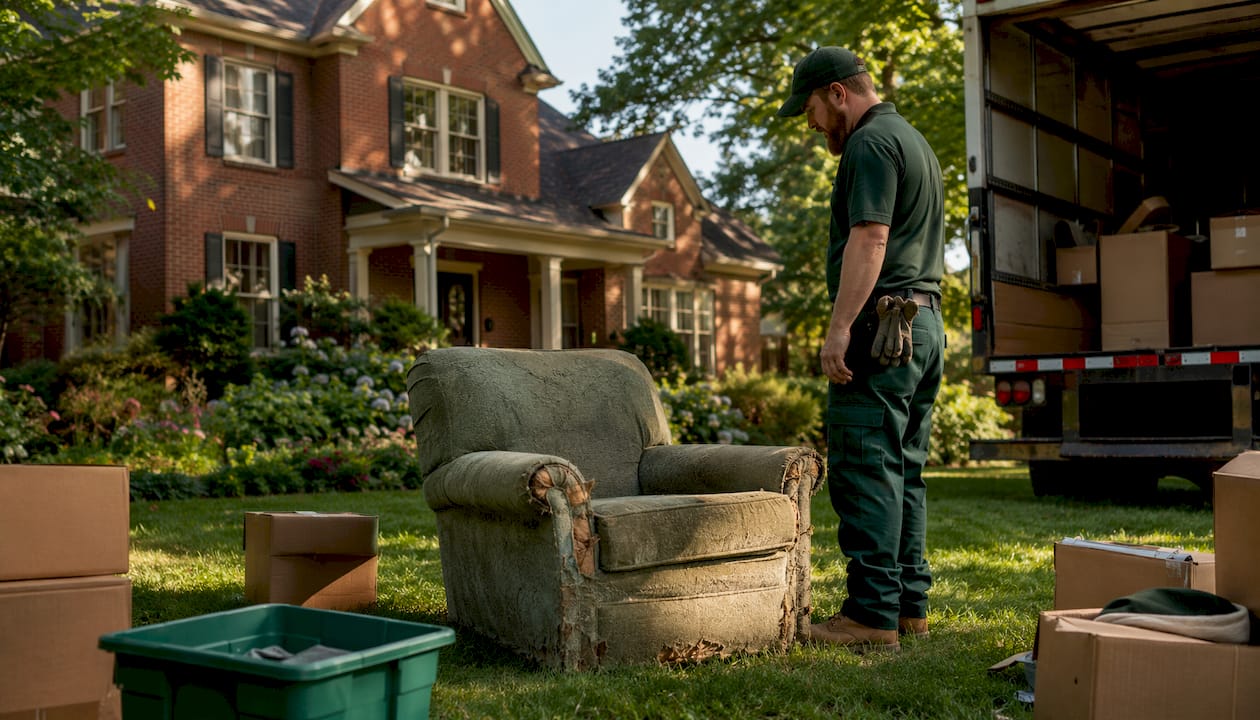
Movers won’t load hazardous materials, perishables, pressurized containers, or irreplaceable personal items — but many of those refused items can be handled by a junk-removal crew or a specialized disposal service. Knowing which category each item falls into before moving day prevents costly delays and last-minute scrambles.
Here’s what to do right now:
- Set aside non-allowables. Walk each room and pull anything flammable, pressurized, perishable, or regulated into a separate staging area.
- Schedule junk removal several weeks before movers arrive. This reduces your moving volume and protects sentimental items from being discarded under pressure.
- Contact a specialist for hazardous waste, biohazard material, or refrigerant-containing appliances at least 2–3 weeks out. County household hazardous waste (HHW) programs and certified technicians book up fast.
For estate executors and realtors in Central Indiana, the fastest path forward is: sort first, call junk removal second, and let movers focus only on what they’re licensed to carry.
Table of Contents
- What items do movers typically refuse to load?
- Which refused items will junk removal usually take?
- Some items need a specialist, not a hauler
- Practical timeline for estate executors, realtors, and homeowners
- How much does junk removal cost compared to moving?
- How Ohanapropertyexperts handles what movers won’t take in Central Indiana
- Key Takeaways
- What professionals see most often — and how to avoid it
- Ready to clear your Central Indiana property? Ohanapropertyexperts can help.
- Useful sources and local resources
What items do movers typically refuse to load?
Movers refuse items that create fire, explosion, contamination, spoilage, or liability risk. That’s not arbitrary policy. The Federal Motor Carrier Safety Administration (FMCSA) governs household-goods carriers and prohibits transporting hazardous materials on moving trucks. When a mover hands you a non-allowables list, they’re following federal safety rules, not making up excuses.
Common items movers will not load:
- Flammables: gasoline, lighter fluid, paint thinner, aerosols, propane tanks, and kerosene
- Pressurized containers: scuba tanks, fire extinguishers, compressed-gas cylinders
- Household chemicals and pesticides: bleach, fertilizers, pool chemicals, weed killers
- Batteries and motor oil: car batteries, lithium-ion packs, used motor oil
- Ammunition and fireworks: any live rounds, flares, or explosive devices
- Perishables and live plants: perishable foods and plants are refused because trucks aren’t climate-controlled and some states restrict plant transport across borders
- Irreplaceable valuables: personal documents, jewelry, family heirlooms, financial records
- Oversized or structurally risky items: gun safes that are very heavy, uncrated heavy machinery, and anchored appliances that require specialty rigging
Some items fall into a “restricted” middle ground. Unloaded firearms, cordless-tool batteries, and scuba tanks may be allowed with advance written notice and proper preparation, though claims for such items are often limited.
Pro Tip: Label a dedicated box or bin “Non-Allowables — Do Not Load” the moment you start packing. Show it to your moving crew at the estimate walkthrough so they don’t waste time on moving day.
Which refused items will junk removal usually take?
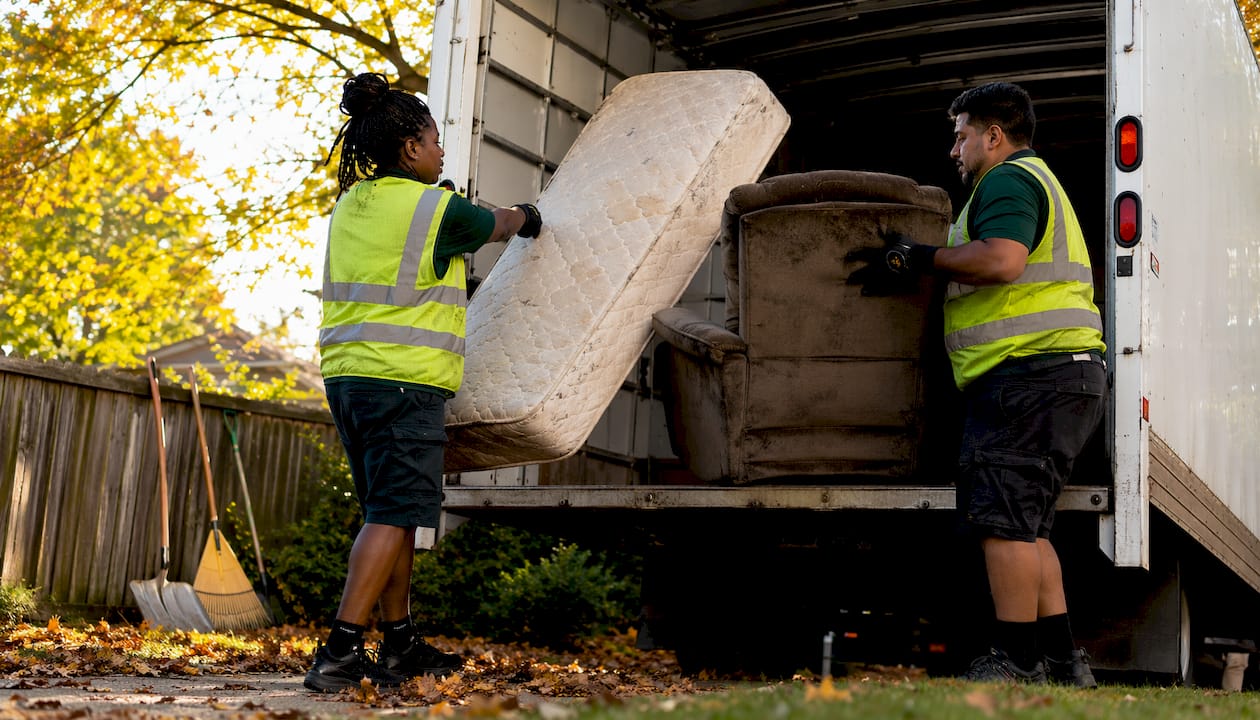
Junk-removal crews typically haul non-hazardous bulky household discards: furniture, mattresses, carpet, non-hazardous appliances, general debris, and yard waste within limits. They operate as waste haulers under local landfill and permitting rules, not as federally regulated carriers, which gives them more flexibility on bulk items. That said, they’re not a catch-all.
What junk removal will usually accept:
- Furniture, mattresses, and box springs
- Non-hazardous appliances (after fluids are drained)
- Electronics as e-waste (accepted by many local haulers)
- Carpet, flooring, and general household debris
- Yard waste and bagged trash within limits
What junk haulers often refuse or restrict:
- Hazardous chemicals and solvents
- Medical waste, sealed tanks/drums, and asbestos
- Refrigerant-containing appliances unless a certified technician has evacuated the refrigerant first
- Contaminated construction debris and some tires
Quick reference: mover refused → junk removal?
| Item | Junk Removal Accepts? |
|---|---|
| Old sofa or mattress | Yes |
| Non-hazardous appliance (drained) | Yes |
| Paint cans (dried/empty) | Yes, usually |
| Live plants or perishables | No — transport yourself |
| Propane tank | No — HHW program |
| Refrigerator with refrigerant | Requires certified prep first |
| Medical waste | No — specialist only |
| Ammunition | No — law enforcement turn-in |
Some items need a specialist, not a hauler
Certain items can’t go to movers or standard junk haulers. Attempting to dispose of them improperly risks fines, environmental harm, or safety incidents. For these, you need a hazardous-waste facility, a certified technician, or a law-enforcement turn-in.
Specialist-only items:
- Refrigerant-containing appliances (refrigerators, AC units, dehumidifiers)
- Large quantities of chemicals, solvents, or pesticides
- Asbestos-containing materials
- Medical or biohazard waste
- Motor oil and antifreeze in bulk
- Ammunition, explosives, or illegal substances
- Mercury-containing devices (thermostats, old thermometers)
Finding local resources in Central Indiana:
- Bartholomew County and surrounding counties run scheduled HHW drop-off events. Search your county’s solid waste management website or call the county recycler directly.
- Certified refrigerant recovery firms can evacuate refrigerant before appliance removal. Ask your HVAC contractor or appliance dealer for a referral.
- Local law enforcement accepts ammunition and illegal substances through turn-in programs. Call your local police non-emergency line.
When you call any of these programs, ask: What do you accept? Are there fees? Is it drop-off or pickup? Do I need documentation?
For practical disposal guidance during relocation, Ohanapropertyexperts has a step-by-step resource on its blog.
Practical timeline for estate executors, realtors, and homeowners
The biggest operational mistake is leaving junk sorting to moving day. By then, families are emotional, time is short, and items get discarded or loaded incorrectly. Industry professionals recommend handling discard with a cleanout crew early to protect sentimental items and reduce moving cost.
- Immediately (as soon as you know the move date): Sort irreplaceables and personal documents. Box them separately and keep them with you, not on the truck.
- 3–4 weeks out: Walk the property and inventory everything. Schedule donation pickups. Book junk removal. Contact HHW programs for regulated items.
- 1–2 weeks out: Complete specialist pickups (HHW, refrigerant recovery). Drain appliances. Prep large or heavy items for hauling.
- Moving week: Confirm mover access and parking. Carry valuables, documents, and medications with you personally.
Recommended lead times:
| Service | Book This Far Out | Who to Notify |
|---|---|---|
| Junk removal | 1–2 weeks | Realtor, executor, tenants |
| HHW / specialist disposal | several weeks in advance | Moving company (confirm non-allowables) |
| Donation pickup | 2–4 weeks | Estate executor, family members |
| Specialty rigger (gun safe, piano) | 3–4 weeks | Moving company, building manager |
Pro Tip: For estate cleanouts, mark items “Family Hold — Do Not Remove” with bright tape before the cleanout crew arrives. A professional cleanout team will work around those items and haul everything else, which prevents the heartbreak of a sentimental piece being removed by mistake.
Realtors can find specific guidance on recommending cleanout services to clients on the Ohanapropertyexperts blog.
How much does junk removal cost compared to moving?
Movers charge by weight, distance, and service level. Junk removal typically charges by truck volume or flat-haul rate. The two pricing models serve different jobs, and scheduling junk removal first often reduces your moving quote by cutting the total weight and volume on the truck.
Primary cost drivers:
- Movers: distance, total inventory weight, packing services, stairs or elevator access, specialty items
- Junk removal: truck volume filled, material type, required disposal fees, heavy-item surcharges
| Service | Typical Range | Main Variable |
|---|---|---|
| Junk removal | $150–$600 for most household jobs | Volume of material |
| Local full-service move | $800–$3,000+ (varies by inventory and distance) | Weight, distance, packing |
| HHW disposal | Often free at county events | Item type and quantity |
| Specialty rigger | Varies by item and access | Item weight and complexity |
One insurance note: when movers refuse an item they were not told about at estimate time, any claim related to that item is typically denied. Disclosing non-allowables at the walkthrough protects you and keeps the mover’s liability coverage intact for everything they do carry.
For more on what to expect from a bulk junk removal job, including pricing factors and scheduling, Ohanapropertyexperts covers it in detail.
How Ohanapropertyexperts handles what movers won’t take in Central Indiana
Ohanapropertyexperts provides bulk junk removal, estate cleanouts, appliance and debris removal, and coordination with specialist disposal services across Central Indiana. The team serves Columbus, Seymour, North Vernon, Edinburgh, Franklin, Greenwood, Indianapolis, Lafayette, and surrounding communities.
Common job types include:
- Estate cleanouts for executors and families managing probate properties
- Realtor staging prep to clear a property before listing
- Pre-move declutter to reduce moving volume and cost
- Appliance and furniture removal from garages, basements, and rental units
- Debris hauling after renovation or storm damage
Ohanapropertyexperts does not haul hazardous chemicals, medical waste, asbestos, or sealed pressurized tanks. For those items, the team can point you to the right local resource.
To get a free estimate, have ready: photos of the space, a rough list of items to remove, and notes on driveway access or any stairs. Ohanapropertyexperts is family-owned and built around compassionate, professional service for clients navigating real transitions.
Pro Tip: Send photos before the estimate call. A quick walkthrough video of the space cuts estimate time in half and helps the crew arrive prepared with the right equipment.
Key Takeaways
Scheduling junk removal 1–2 weeks before movers arrive reduces moving volume, prevents last-minute refusals, and protects sentimental items from being discarded under pressure.
| Point | Details |
|---|---|
| Movers refuse hazardous and regulated items | Flammables, pressurized tanks, chemicals, ammunition, and perishables are off-limits under federal carrier safety rules. |
| Junk removal fills the gap for bulk discards | Furniture, mattresses, non-hazardous appliances, and general debris are typically accepted by junk haulers. |
| Some items need specialists, not haulers | Refrigerant appliances, asbestos, medical waste, and bulk chemicals require certified technicians or HHW programs. |
| Sequence matters for estates and listings | Book junk removal a few weeks out, HHW disposal 2–3 weeks out, and sort irreplaceables immediately. |
| Ohanapropertyexperts serves Central Indiana | Estate cleanouts, appliance removal, debris hauling, and pre-move declutter across Columbus and surrounding communities. |
What professionals see most often — and how to avoid it
The pattern we see most often in Central Indiana is straightforward: a homeowner or executor waits until the week of the move to sort through decades of accumulated belongings, and then discovers a garage full of old paint cans, a refrigerator that still has refrigerant, and a gun safe that no mover will touch. Everything stops.
The fix is almost always the same. When a family calls us two to three weeks before the move, we can clear the non-allowables staging area, haul the bulk items, and flag what needs a specialist. The movers show up to a clean, organized property and load out in hours instead of days. Realtors tell us the listing photos look better, too, because the property is genuinely clear rather than just tidied around the edges.
The emotional piece matters as well. Sorting under time pressure leads to regret. When families have space and time to mark what they want to keep, the cleanout goes smoothly and nobody loses something they meant to hold onto.
Ready to clear your Central Indiana property? Ohanapropertyexperts can help.
When you’re preparing a home for sale, settling an estate, or getting ready for movers, the last thing you need is a pile of items nobody will haul. Ohanapropertyexperts is the local, family-owned alternative to figuring it out alone. We handle the heavy lifting, the bulk removal, and the coordination, so you can focus on the move itself.

Our property cleanout services cover everything from full estate cleanouts to single-room appliance removal across Columbus, Seymour, Franklin, Greenwood, Indianapolis, and surrounding Central Indiana communities. We offer free estimates, transparent pricing, and scheduling windows that work around your timeline.
To get started, call us at (812) 302-6833 or visit our estate cleanout page to request a free quote. Have photos of the space and a rough list of items ready, and we’ll take it from there.
Useful sources and local resources
- What Movers Won’t Move: A Guide to Non-Allowable Items — Atlas Van Lines: Detailed non-allowables list with safety explanations.
- What Not to Pack With Movers: Non-Allowables — MovingRated: Covers flammables, pressurized containers, and corrosives.
- Restricted Moving Items — United Van Lines: Explains the restricted category and documentation requirements.
- Junk Removal vs. Moving Company — HireLocal: Compares legal distinctions, pricing, and scheduling guidance.
- What Will Movers Not Move? — MovingHelp: Covers oversized and structurally hazardous items.
- Junk Removal Service Restrictions — TWO MEN AND A TRUCK: Lists items junk-removal services typically refuse.
- Central Indiana HHW programs: Contact your county’s solid waste management district for scheduled drop-off events and accepted materials.
- Ohanapropertyexperts services overview: Full list of cleanout, removal, and hauling services for Central Indiana homeowners, realtors, and estate executors.