
Appliance Removal Process Explained for Homeowners
Learn the appliance removal process explained, including safe extraction and legal disposal. Get essential tips for your pickup day!
Appliance Removal Process Explained for Homeowners
Appliance removal is the scheduled disconnect, physical extraction, transport, and lawful disposal or recycling of large household appliances — and the single most important thing to know upfront is that refrigerant-containing units (refrigerators, freezers, air conditioners, dehumidifiers) carry federal legal obligations under Clean Air Act Section 608 that neither you nor a general hauler can ignore. Professional crews handle the heavy lifting, but the regulatory piece requires certified refrigerant recovery before any of those units leave your property. Here is what to expect on pickup day:
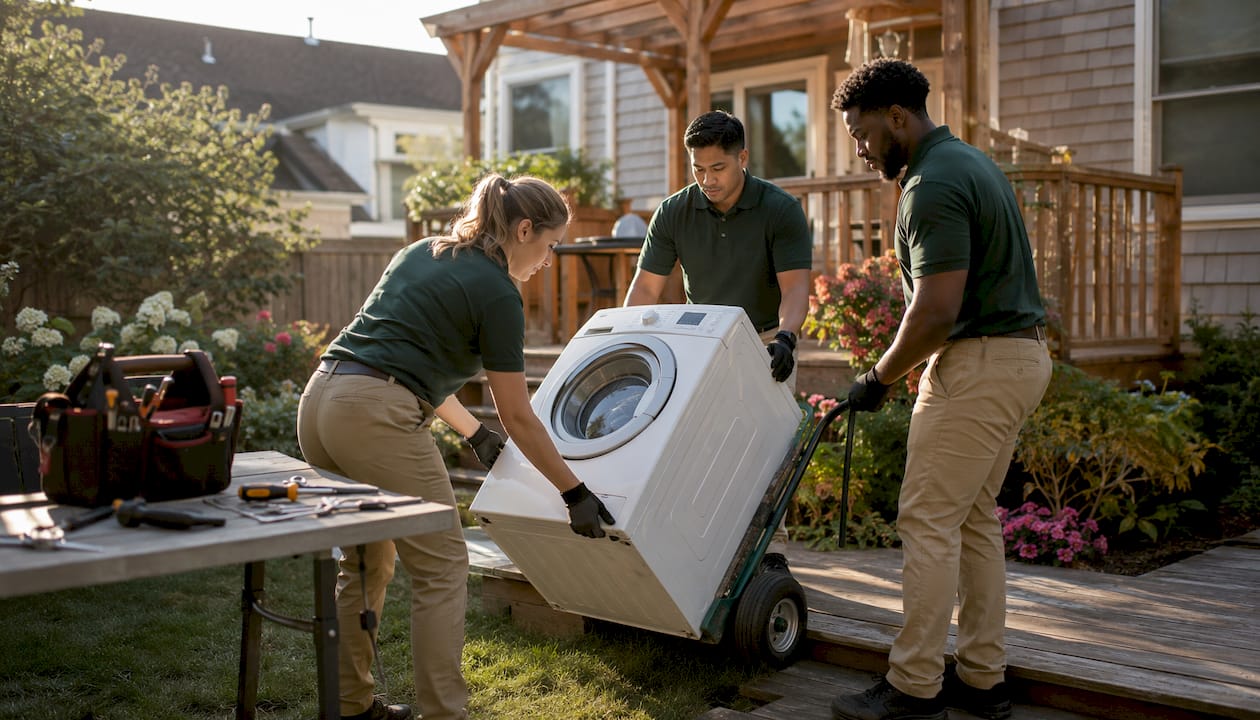
- The crew arrives with appliance dollies, heavy-duty straps, and moving blankets.
- They do a quick walkthrough to confirm access, then disconnect and load.
- Refrigerant-containing units require documented recovery by a certified technician.
- You do not need to be present the entire time, but someone should be available at arrival.
- A photo-based quote before scheduling prevents price surprises on the day.
Table of Contents
- Which appliances do removal services accept?
- How to prepare your appliances before the crew arrives
- What actually happens on pickup day
- Where removed appliances go: disposal rules and the EPA’s role
- What does appliance removal cost, and how long does it take?
- DIY removal vs. hiring professionals: how to decide
- How Ohanapropertyexperts protects your home during removal
- Key Takeaways
- Why responsible removal matters more than most homeowners realize
- Ohanapropertyexperts makes appliance removal straightforward in Central Indiana
- Useful sources and where to check local rules
Which appliances do removal services accept?
Most professional removal services handle the full range of large household appliances. Knowing which category your item falls into helps you choose the right disposal path and avoid unexpected fees.
Commonly accepted items:
- Refrigerators and freezers
- Washers and dryers
- Stoves, ranges, and ovens (gas and electric)
- Dishwashers
- Water heaters (gas and electric)
- Microwaves (countertop and over-range)
- Window air conditioners and portable ACs
- Dehumidifiers
Special-case items that need extra handling:
- Refrigerant-containing units (fridges, freezers, ACs, dehumidifiers): refrigerant must be recovered by an EPA-certified technician before disposal.
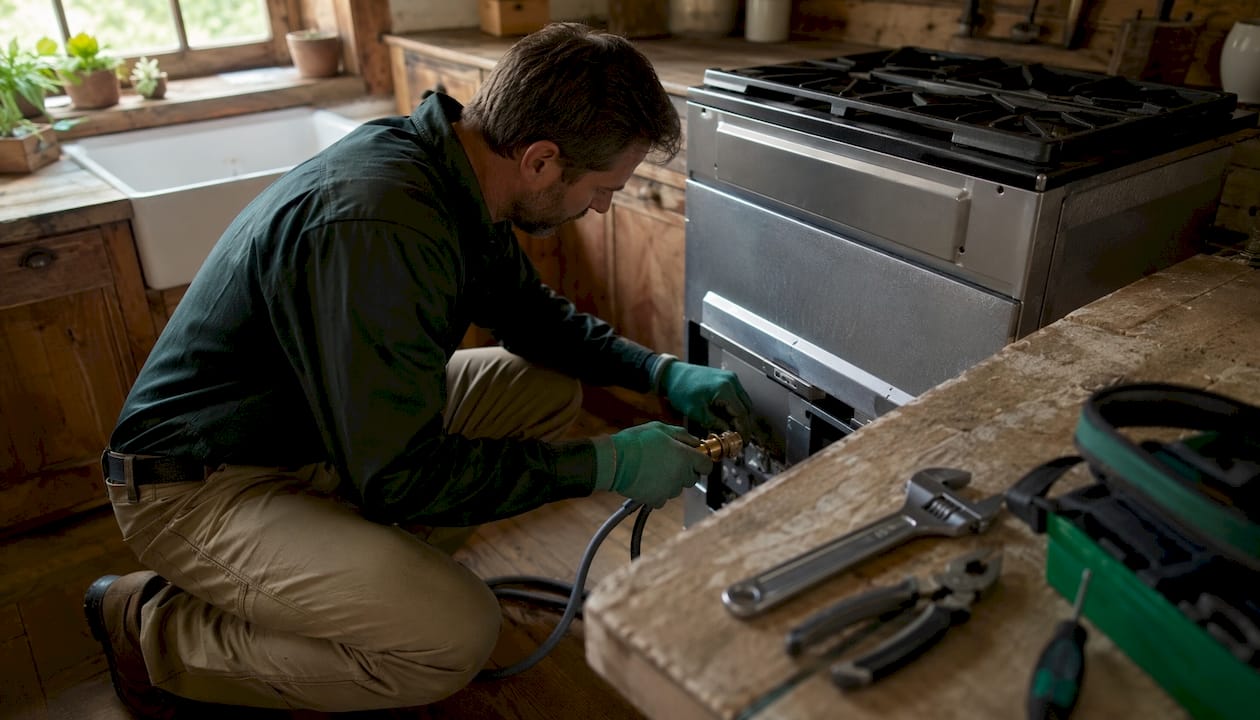
- Gas appliances: gas lines must be shut off and capped by a qualified person before the crew moves the unit.
- Electronics and small appliances: many jurisdictions classify these as e-waste, which requires separate handling from standard appliance recycling.
Items removal services may refuse:
Some crews will not accept tanks still containing propane or other fuels, appliances with biohazard contamination, or units with PCB capacitors (found in some older commercial equipment). Always disclose the full condition of an item when requesting a quote.
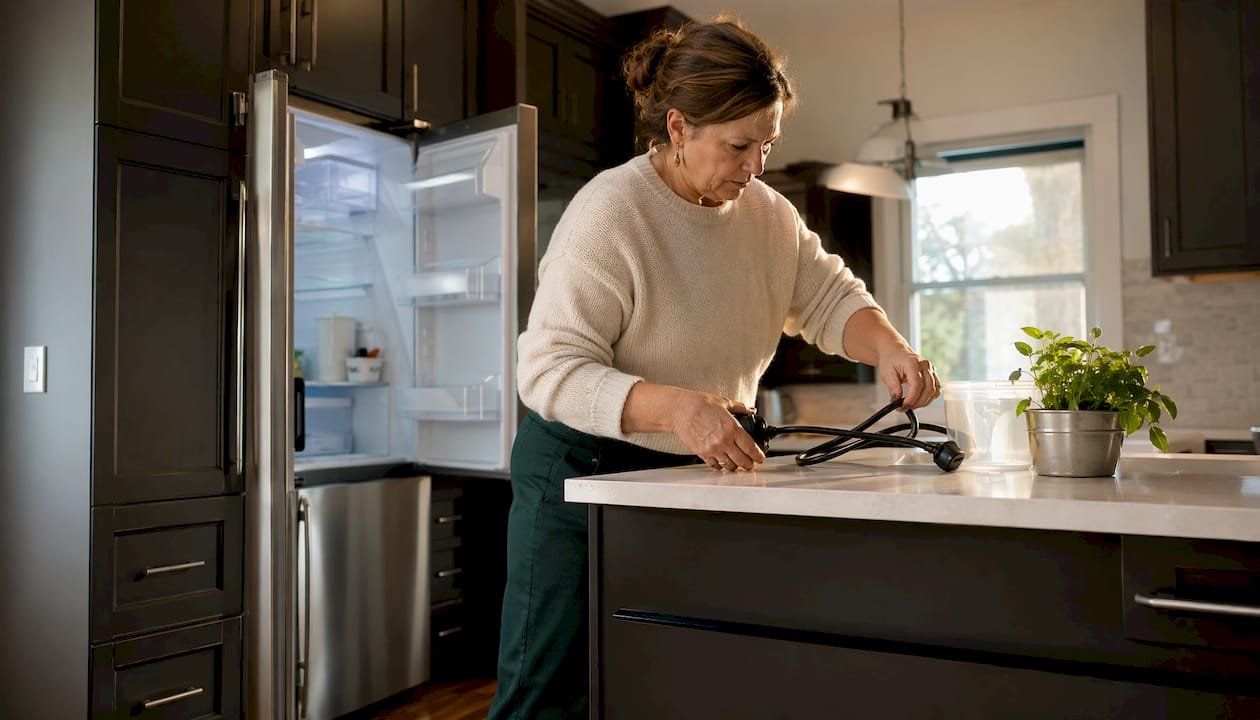
Pro Tip: If you have a window AC or dehumidifier, mention it specifically when booking. These units contain refrigerant just like a full-size refrigerator and trigger the same EPA recovery requirements — many homeowners are caught off guard by this.
How to prepare your appliances before the crew arrives
Good preparation cuts down on delays, protects your floors, and keeps the crew safe. Work through this checklist in the 24–48 hours before pickup.
- Unplug the appliance from the wall outlet and leave the cord accessible.
- Shut off water supply lines for dishwashers, refrigerators with ice makers, and washing machines.
- Turn off the gas valve for gas stoves, dryers, and water heaters — and confirm the line is capped.
- Defrost the refrigerator or freezer at least 24 hours ahead. A unit still full of ice adds weight and creates water hazards during the move.
- Drain hoses and tubs on washing machines and dishwashers completely.
- Empty all contents — shelves, drawers, detergent trays, and door bins.
- Tape doors shut and secure any loose shelves or glass panels with moving wrap.
- Measure doorways, hallways, and stairwells on the path from the appliance to the exit. Note any tight turns.
- Clear the path of rugs, furniture, and obstacles at least 3 feet wide.
- Take photos of the appliance and its location (especially if it is in a basement or upstairs) before scheduling. A photo-based quote is far more accurate than a phone description.
Pro Tip: Never attempt to recover refrigerant yourself. Under EPA Section 608, only certified technicians may handle refrigerant recovery. If your municipality requires documented recovery before curbside pickup, schedule that separately and keep the paperwork.
What actually happens on pickup day
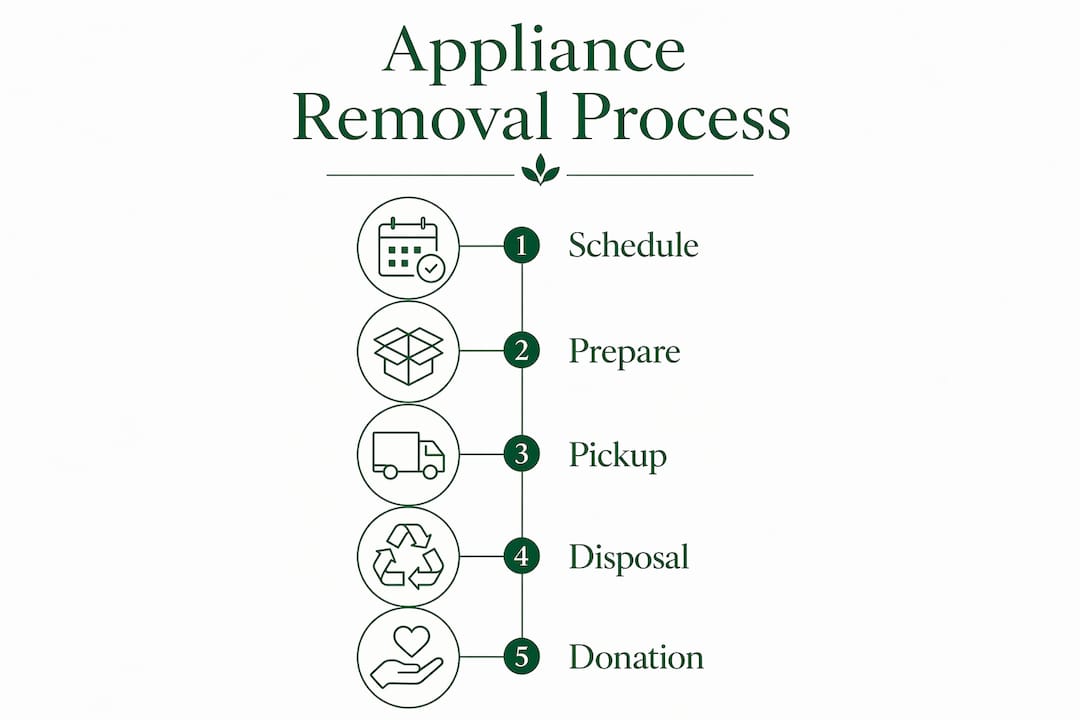
Understanding the crew’s workflow removes the guesswork. A typical appliance removal service runs through these steps from arrival to departure:
- Arrival and walkthrough: The crew confirms the appliance location, access route, and any special conditions (stairs, narrow doors, basement access).
- Floor and wall protection: Moving blankets go down on floors and around door frames before anything moves. Corner guards protect walls on tight turns.
- Disconnect verification: The crew checks that power, water, and gas are already off. If they are not, work stops until the homeowner or a technician handles it.
- Moving and loading: Appliance dollies and heavy-duty straps do the heavy work. Ramps bridge the truck bed. Securement points hold units in place during transport.
- Cleanup: The crew sweeps the area and removes any packing materials or debris.
- Receipt or invoice: You get documentation of what was removed and how it will be disposed of.
Accessibility factors that affect time and price:
- Basement or upstairs location adds labor time and often a stair fee.
- Narrow doorways or hallways may require partial disassembly (removing doors, drawers).
- Elevator buildings in multi-unit properties add scheduling complexity.
- Long carry distances from the appliance to the truck increase labor time.
Most single-appliance pickups take on-site time ranging from a half hour to about an hour when the path is clear and the unit is ready. Basement removals or multi-appliance jobs naturally run longer.
Where removed appliances go: disposal rules and the EPA’s role
This is where the appliance removal process gets legally serious. The U.S. EPA requires refrigerant recovery for any appliance containing refrigerants under Clean Air Act Section 608. The final processor of the appliance is responsible for ensuring recovery is completed and documented. Venting refrigerant into the atmosphere is illegal, and penalties can reach up to $44,539 per day per violation.
The EPA’s Responsible Appliance Disposal (RAD) program works with utilities, retailers, and municipalities to ensure old refrigerant-containing appliances are processed correctly. The RAD program covers refrigerant recovery, foam recycling, and proper handling of other hazardous components like used oil and mercury switches.
Disposal pathways available to homeowners:
- Utility recycling programs: Many utilities run appliance turn-in programs that include free pickup and certified refrigerant recovery, sometimes with a rebate for energy-inefficient units. Check your utility’s website or the ENERGY STAR recycling locator to find programs near you.
- Retailer take-back: When buying a new appliance, ask the retailer about haul-away. Retailer take-back frequently handles the entire disposal chain, including certified refrigerant recovery, often at low or no cost with a new purchase.
- Certified scrap recyclers: Independent recyclers certified under EPA guidelines can accept refrigerant-containing units with proper documentation.
- Municipal bulky-item pickup: Many cities and counties schedule bulk pickup days. Call your local Department of Public Works to confirm whether they accept refrigerant-containing appliances and what documentation they require.
- Donation: Appliances in working condition may be accepted by Habitat for Humanity ReStores or similar organizations. Non-working units are generally not accepted.
- Landfill: Most landfills require refrigerant to be recovered before accepting a unit. Dropping off an unprocessed refrigerator is not just irresponsible — it may be illegal in your county.
For a practical guide to disposing of unwanted items during a move or property transition, check your local municipal solid waste department’s bulk pickup page first, then your utility’s recycling program.
What does appliance removal cost, and how long does it take?
Pricing varies by job, but knowing the cost drivers helps you get a fair quote and avoid surprises.
Common factors that affect price:
- Appliance type and size: A single washing machine costs less to remove than a side-by-side refrigerator or a commercial-grade range.
- Location on the property: Ground-floor removal is the baseline. Basement or second-floor units typically carry a stair fee.
- Refrigerant recovery: If a certified technician must recover refrigerant separately, that service adds to the total.
- Volume and bundling: Bundling multiple appliances into a single pickup almost always lowers the per-item cost compared with booking separate trips. Providers often price by truck space, so filling a truck efficiently works in your favor.
- Same-day or rush requests: Expedited scheduling typically carries a premium.
- Distance and travel: Rural locations or properties far from service hubs may include a travel fee.
Quote checklist — request these before confirming:
- Itemized fee breakdown (per appliance, stair fees, travel)
- Refrigerant recovery line item (if applicable)
- Disposal or recycling handling confirmation
- Photo-based or on-site estimate rather than a phone-only guess
Timing expectations:
Paid removal services often offer same-day or next-day availability. Municipal bulk pickup programs typically run on monthly or bi-weekly schedules, so plan ahead. Certified refrigerant recovery, if scheduled separately, may require 2–5 business days lead time depending on your area.
DIY removal vs. hiring professionals: how to decide
DIY appliance removal is reasonable in limited situations. For most large appliances, the math on safety, liability, and property damage tips toward hiring professionals.
Work through this decision checklist:
- Weight and size: Can you and a helper safely move the unit without injury? Refrigerators typically weigh several hundred pounds, depending on model and size.
- Stairs or tight turns: A single flight of stairs with a heavy appliance is one of the most common causes of back injuries and wall damage in DIY moves.
- Refrigerant or gas connections: These require certified or licensed technicians. Attempting either yourself creates legal and safety risk.
- Tools available: Do you have an appliance dolly, heavy-duty straps, and moving blankets? Renting these adds cost and time.
- Disposal destination: Can you transport the unit to a certified recycler or municipal facility yourself? Do you have a truck or trailer?
- Multiple items: If you have three or more appliances, a professional crew with a full truck is almost always faster and cheaper per item.
Gas line disconnection and electrical hazards are not DIY territory. A gas leak from an improperly capped line is a serious safety risk. Refrigerant venting is a federal violation. For hiring junk removal professionals, the protection of your floors, walls, and doorways alone often justifies the cost on a single large appliance.
Pro Tip: If you are managing a rental property turnover or an estate cleanout with multiple appliances, bundling everything into one professional pickup almost always costs less than multiple separate trips — and the crew handles donation routing for items still in working condition.
How Ohanapropertyexperts protects your home during removal
Property protection is not an afterthought for us — it is built into every job. Before anything moves, our crew lays floor runners on hardwood and tile, wraps door frames with moving blankets, and places corner guards on any wall that a dolly path passes near. Tight basement stairwells and narrow hallways get the most attention because that is where damage happens.
At Ohanapropertyexperts, our standard is simple: your home should look the same after we leave as it did before we arrived. We use appliance dollies, heavy-duty straps, and moving blankets on every job — not just the big ones. When a refrigerant-containing unit is involved, we coordinate with certified technicians so the recovery is documented and compliant before the unit leaves your property.
Our workflow starts with a photo-based quote. You send us photos of the appliances and their locations, including any access notes (basement stairs, narrow hallway, second floor). We give you a transparent, itemized estimate before we schedule. For properties with multiple appliances or mixed furniture and junk, we consolidate everything into a single pickup to keep your cost down.
We also route working appliances to local donation partners when possible. For homeowners, estate executors, and real estate partners managing a property cleanout, that donation routing means less goes to the landfill and more stays in the community.
Key Takeaways
The most important step in any appliance removal is identifying refrigerant-containing units early, because federal law requires certified recovery before disposal, and skipping it carries serious legal and financial consequences.
| Point | Details |
|---|---|
| Refrigerant recovery is federal law | EPA Section 608 requires certified recovery for fridges, ACs, freezers, and dehumidifiers before disposal. |
| Prepare 24–48 hours ahead | Defrost, drain, unplug, and clear the path before the crew arrives to avoid delays and extra fees. |
| Bundle items for better pricing | Combining multiple appliances in one pickup lowers per-item cost versus separate trips. |
| Verify disposal pathway | Check your utility’s recycling program or retailer take-back before booking a paid removal service. |
| Ohanapropertyexperts handles it all | Ohanapropertyexperts provides photo-based quotes, certified refrigerant coordination, donation routing, and full property protection in Central Indiana. |
Why responsible removal matters more than most homeowners realize
The conventional wisdom on appliance removal is that it is just a logistics problem: get the thing out of the house and into a truck. That framing misses the part that actually creates risk for homeowners.
The refrigerant issue is where most people get surprised. A refrigerator sitting in a basement is not just heavy and inconvenient. It is a regulated item under federal law, and the moment it leaves your property without documented refrigerant recovery, you are potentially part of a chain of liability. Most homeowners do not know this until a municipality refuses the unit at the curb or a hauler charges an unexpected recovery fee.
The donation routing piece is equally underappreciated. A working refrigerator or washer that goes to a Habitat for Humanity ReStore or a local family in need is a genuinely better outcome than landfill, and it costs you nothing extra when you work with a service that already has those relationships. The environmental and community benefit is real, and it does not require any extra effort on your part.
What actually matters in choosing a removal service is not speed alone. It is whether the crew protects your floors and walls, whether they handle the regulatory piece correctly, and whether they give you a transparent quote before showing up. Those three things separate a smooth removal from one that leaves you with a damaged door frame and a compliance question.
Ohanapropertyexperts makes appliance removal straightforward in Central Indiana
When you are clearing out a home, managing an estate, or turning over a rental property, the last thing you need is a removal crew that shows up unprepared. Ohanapropertyexperts brings the equipment, the process, and the community connections to handle appliance removal the right way — from photo-based quote to final cleanup.

Our appliance removal service covers single-item pickups and full-property cleanouts across Columbus, Seymour, Franklin, Greenwood, Indianapolis, and surrounding Central Indiana communities. We coordinate certified refrigerant handling when required, route working appliances to local donation partners, and protect your floors and walls on every job. For mixed loads, our full services page covers everything from estate cleanouts to debris hauling.
To get started, send us photos of your appliances and their locations, along with any access notes. We will give you a transparent, itemized quote fast. Call us at (812) 302-6833 or visit ohanapropertyexperts.com to schedule your pickup.
Useful sources and where to check local rules
The following authoritative sources help you verify local requirements, find recycling programs, and understand federal regulations before scheduling removal:
- U.S. EPA Appliance Disposal page: The primary federal reference for refrigerant recovery requirements under Clean Air Act Section 608. Start here for legal obligations.
- EPA Responsible Appliance Disposal (RAD) program: The RAD consumer page lists participating utilities and retailers that offer certified appliance recycling with refrigerant recovery included.
- EPA Appliances Quick Start Guide: The EPA’s quick-start PDF covers refrigerant management, foam treatment, and hazardous component handling for processors and homeowners alike.
- ENERGY STAR recycling locator: Find local fridge and freezer recycling programs by ZIP code, including utility-sponsored pickup with refrigerant recovery.
- Local municipal DPW: Search your city or county’s Department of Public Works website for bulk pickup schedules, accepted items, and refrigerant documentation requirements.
- Retailer take-back policies: Ask your appliance retailer about haul-away at the time of purchase. Many major retailers partner with certified recyclers and include pickup at low or no cost with a new appliance delivery.
- Stove and gas appliance disposal: For specific guidance on disposing of an old stove safely, including gas line considerations, this practical guide covers the key safety steps.
Regulatory reminder: Venting refrigerant is a federal violation under Clean Air Act Section 608. Penalties for venting refrigerant can be substantial, reaching tens of thousands of dollars per day per violation. Always confirm that refrigerant has been recovered and documented before your appliance is transported or processed.
This article is general information, not legal or regulatory advice. Confirm current rules with the U.S. EPA, your local municipality, or a qualified professional for your specific situation.