
Inherited Property Cleanout Needs: 10 Real Examples
Discover 10 real examples of inherited property cleanout needs. Learn effective strategies to handle emotional decisions and clear out belongings.

Inherited Property Cleanout Needs: 10 Real Examples
What does an inherited property cleanout actually involve?
Inherited property cleanouts mean systematically clearing decades of accumulated belongings from every part of a home, including garages, attics, basements, and outbuildings, so the estate can be sold, rented, or transferred cleanly. The professional cleanout process follows a clear hierarchy:
- Secure the property and change locks (after confirming occupant legal rights)
- Locate and safeguard wills, deeds, financial records, and insurance policies
- Conduct a joint family walkthrough to tag keepsakes before anything moves
- Sort items into keep, sell, donate, and dispose categories
- Remove hazardous materials through regulated disposal channels
- Complete junk removal and a final deep clean
The emotional weight of this process is real. You are making fast decisions about a lifetime of possessions, often under probate deadlines and family pressure. Knowing what to expect, room by room and item by item, makes the whole process far more manageable.
Table of Contents
- 10 common examples of inherited property cleanout needs
- Best practices for heirs to avoid conflict and protect estate value
- How long does an inherited property cleanout take, and what does it cost?
- How Ohana Property & Transition Services LLC supports estate cleanouts in Central Indiana
- Ohanapropertyexperts makes inherited property cleanouts manageable
- Key Takeaways
10 common examples of inherited property cleanout needs
Most heirs are surprised by the sheer variety of what needs to go. Here are the categories you will almost certainly encounter.
1. Outdated and broken appliances
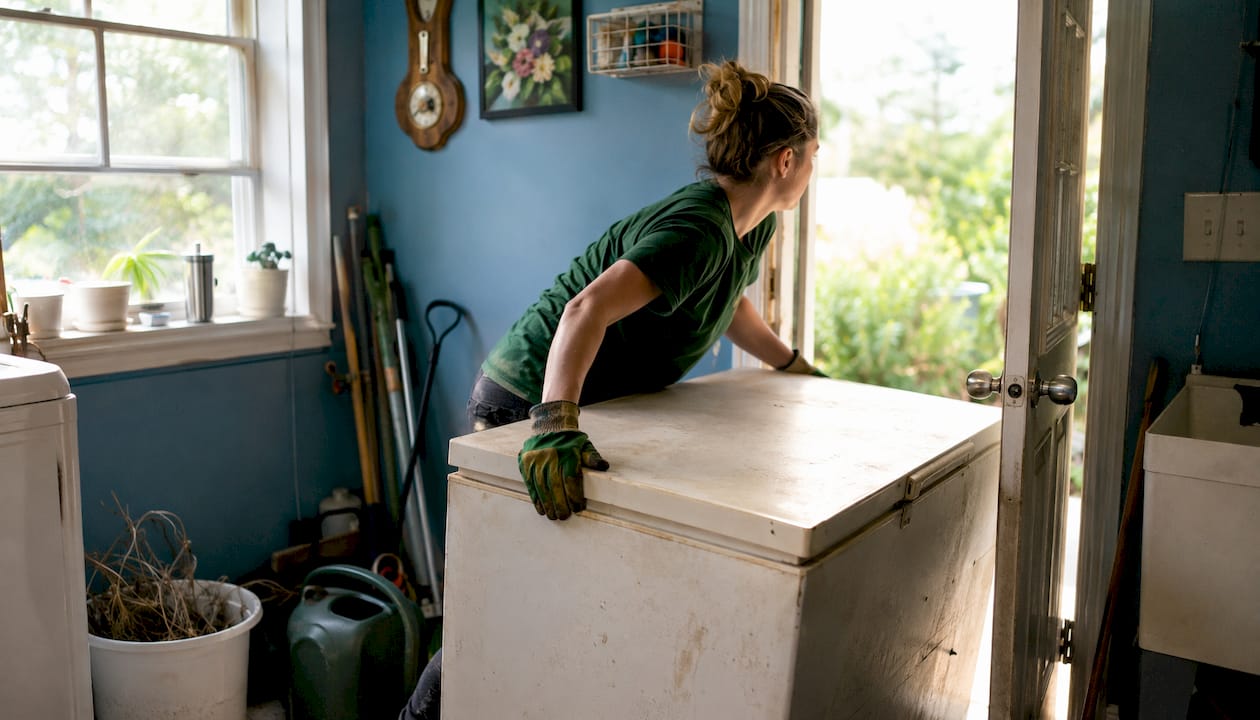
Refrigerators, chest freezers, washing machines, and dryers are among the most common items left behind. Many are decades old, non-functional, or too worn to donate. The EPA classifies certain appliances as requiring regulated disposal due to refrigerants and other materials, so you cannot simply leave them at the curb in most municipalities.
2. Furniture that cannot be resold
Sofas with structural damage, water-stained mattresses, particle-board dressers, and broken bed frames show up in nearly every estate cleanout. Large pieces also create a logistical challenge: wardrobes may need dismantling, and oversized sofas often will not fit through standard doorways without planning.
3. Electronics and e-waste
Older televisions, desktop computers, printers, and VCRs accumulate fast in homes where technology was rarely updated. Most of these items require e-waste recycling programs rather than standard trash disposal. Never place them in a general dumpster.
4. Hazardous household materials
This is the category heirs most often underestimate. Common finds include:
- Old paint cans (latex and oil-based)
- Pesticides and herbicides in garages or sheds
- Car batteries and used motor oil
- Propane tanks and gasoline containers
- Expired medications and sharps
- Fluorescent tubes and old thermostats containing mercury
Each of these requires separate, regulated disposal. Mixing them with general junk removal creates legal and environmental liability.
5. Clothing and personal textiles
Closets, spare bedrooms, and storage bins are typically packed with clothing spanning multiple decades. Wearable items in good condition can go to local donation centers. Check coat pockets, handbags, and shoes carefully before donating, since cash, jewelry, and small documents turn up there regularly.
6. Personal documents and financial records
Filing cabinets, desk drawers, shoeboxes, and even kitchen junk drawers often hold critical paperwork: tax returns, bank statements, property deeds, vehicle titles, insurance policies, and Social Security documents. These must be reviewed before anything is discarded. Shred documents containing account numbers or personal identifiers rather than placing them in open trash bags.
7. Collectibles, jewelry, and hidden valuables
Older generations frequently stored valuables in non-obvious places: inside books, beneath kitchen kickboards, inside freezer bags, under mattresses, or tucked into envelopes in filing cabinets. A thorough search before any crew arrives is non-negotiable. Experts advise heirs to engage a professional appraiser for antiques, jewelry, and collectibles before disposal, since items that look ordinary can carry significant resale value.
8. Garage and shed contents
Garages and sheds are typically the most labor-intensive areas. Expect power tools, lawn equipment, hardware, sporting goods, seasonal decorations, and years of miscellaneous storage. Volume here, not floor plan size, is what drives cleanout time and cost.
9. Yard debris and exterior clutter
Inherited properties often have accumulated exterior debris: broken patio furniture, old fencing materials, scrap lumber, rusted garden equipment, and general yard waste. This material requires hauling separate from household items and may need a dedicated debris removal service.
10. Sentimental items requiring careful handling
Photo albums, military memorabilia, handwritten letters, religious items, and family heirlooms sit in a category of their own. They have little resale value but enormous personal significance. Rushing past them causes lasting regret. Set these aside in a secure area before the main cleanout begins, and give family members time to review them.
Best practices for heirs to avoid conflict and protect estate value
Cleaning out inherited homes goes sideways most often when families skip the foundational steps. These practices keep the process fair, legal, and efficient.
Confirm legal authority first. Only the executor named in a will, or a court-appointed administrator, has the legal right to authorize removal of estate property. Starting before that authority is confirmed can trigger disputes, accusations of missing items, and probate complications.
Schedule a joint family walkthrough early. The National Association of Realtors identifies premature item removal as the leading cause of family conflict in estate cleanouts. A walkthrough where every heir can tag keepsakes before sorting begins prevents most of those disputes.
Get appraisals before you dispose of anything. Furniture, artwork, jewelry, and collectibles that look unremarkable can carry real market value. A certified appraiser’s assessment takes a few hours and can save heirs from giving away or discarding items worth thousands.
Document everything meticulously. Photograph each room before and after. Keep records of what was kept, sold, donated, or discarded, and who received what. This protects every heir and simplifies the executor’s final accounting. For difficult estate situations, thorough documentation is the single most effective conflict-prevention tool.
Handle hazardous materials separately. Never mix paint, chemicals, batteries, or medications with general junk removal loads. Arrange for regulated disposal through your municipality’s hazardous waste program or a licensed removal service.
Pace the process intentionally. Delays carry real costs: property taxes, insurance, utilities, and mortgage payments continue while the estate sits. But rushing leads to discarded valuables and family friction. Build a realistic timeline that includes legal confirmation, appraisals, family coordination, and cleanup.
Pro Tip: Before any crew or family member removes a single item, walk every room with a camera and photograph the contents of closets, cabinets, and drawers. This 30-minute step has resolved more heir disputes than any legal document.
How long does an inherited property cleanout take, and what does it cost?
A typical three-bedroom home with moderate accumulation usually takes 1–2 days to clear professionally. Hoarding conditions, multiple outbuildings, or limited access can push that to 3 days or more. Volume is the real driver, not square footage.
Cost factors heirs should plan for:
- Volume and sorting complexity: More items, more labor hours, higher cost
- Hazardous materials: Regulated disposal adds cost beyond standard junk removal
- Property access: Stairs, narrow doorways, and detached outbuildings increase labor time
- Distance: Out-of-state heirs often need remote management via photos and ongoing communication, which professional companies can accommodate
- DIY vs. professional: DIY sorting saves money but demands significant physical effort and time
Estimated costs for a cleanout typically range from $3,000 to $8,000, with more complex situations such as hoarding or biohazard conditions increasing costs above $10,000. Estate sales and donations can offset expenses but extend the overall timeline.
Every week the property sits vacant adds carrying costs. Fast cleanouts protect estate value by reducing the window for those ongoing expenses.
How Ohana Property & Transition Services LLC supports estate cleanouts in Central Indiana
Ohanapropertyexperts is a family-owned company built specifically for the kind of work that inherited property cleanouts demand: high volume, emotionally sensitive, and logistically complex. Serving Columbus, Seymour, Franklin, Greenwood, Indianapolis, and surrounding Central Indiana communities, the team handles estate cleanouts from first walkthrough to broom-clean finish.
What sets Ohanapropertyexperts apart for heirs:
- Full-service removal covering furniture, appliances, electronics, garage contents, basement items, and yard debris
- Donation-conscious recovery, with usable items directed to local charities and donation receipts provided
- Transparent process with clear communication at every stage, including remote coordination for out-of-state heirs
- Compassionate, professional crews experienced with emotionally sensitive estate situations
- Free estimates with no obligation, and service available across Central Indiana
The team also supports realtors, investors, and estate executors who need a property cleared quickly and reliably before listing or transfer.
Ohanapropertyexperts makes inherited property cleanouts manageable
When you are managing an inherited estate in Central Indiana, the gap between knowing what needs to happen and actually getting it done is where most families get stuck. Ohanapropertyexperts closes that gap.

From full property cleanouts to appliance removal, debris hauling, and donation coordination, the team handles the physical and logistical work so you can focus on the decisions that actually require your attention. There is no long-term contract, no guesswork on pricing, and no pressure. Just a free estimate, a clear plan, and a crew that shows up ready to work.
Once the property is cleared, small cosmetic updates can meaningfully lift its market appeal. Refreshing doors, closets, and storage spaces is one of the most cost-effective ways to make a home look more expensive before listing.
Call Ohanapropertyexperts at (812) 302-6833 or visit ohanapropertyexperts.com/services to get your free estimate today.
Key Takeaways
Inherited property cleanouts require legal authority, family coordination, professional appraisals, and regulated hazardous material disposal to protect estate value and prevent heir conflict.
| Point | Details |
|---|---|
| Confirm authority first | Only the executor or court-appointed administrator can legally authorize item removal. |
| Joint walkthrough prevents conflict | The National Association of Realtors links premature removal to most family disputes in estate cleanouts. |
| Typical cleanout timeline | A three-bedroom home with moderate accumulation takes 1–2 days; hoarding conditions extend this to 3 or more. |
| Cost range | Professional cleanouts typically cost $3,000–$8,000; biohazard or hoarding conditions push costs above $10,000. |
| Ohanapropertyexperts | Family-owned Central Indiana estate cleanout company offering free estimates, donation coordination, and full-service removal. |
Recommended
- Why Inherited Homes Need Fast Cleanouts: 2026 Guide | Ohana Property Services
- Property Cleanout Benefits Home Sales: Seller’s Guide | Ohana Property Services
- The Role of Cleanout in Property Maintenance | Ohana Property Services
- Difficult Estate Cleanout Situations: Real Examples and Insights | Ohana Property Services