
Handle Common Area Debris Removal: A 2026 Guide
Learn how to handle common area debris removal effectively. Protect your property, ensure safety, and maintain value with expert tips.

Handle Common Area Debris Removal: A 2026 Guide
Common area debris removal is defined as the systematic collection, staging, and disposal of waste, bulk items, and loose material from shared building spaces such as lobbies, hallways, stairwells, and elevators. Property managers and landlords who handle common area debris removal effectively protect residents from fire hazards, pest infestations, and slip risks while preserving property value. The best approach combines tiered cleaning schedules, planned removal routes, the right equipment, and clear resident communication. This guide covers every layer of that process, from daily routines to preventive infrastructure, using current best practices.
What are the essential schedules and routines for debris-free common areas?
Tiered cleaning frequency is the foundation of effective debris management in multi-unit buildings. The logic is simple: high-traffic zones accumulate waste faster and need daily attention, while lower-traffic areas can follow a weekly or biweekly cycle.
A practical tiered schedule looks like this:
- Daily: Sweep and spot-clean lobbies, elevator cabs, and trash rooms. Remove any bulk items left near entry doors. Check mail and package areas for cardboard and packaging waste.
- Three times per week: Walk all corridors and stairwells for litter, spills, and abandoned items. Inspect mail rooms and package lockers for overflow.
- Weekly: Clean laundry rooms, fitness areas, and outdoor common spaces. Remove litter from parking lots and dumpster pads. Wipe down vents and check utility closets for debris accumulation.
- Monthly or quarterly: Deep-clean elevator tracks, pressure-wash entryways, and inspect less-visible areas like basement corridors and rooftop access points.
Consistent scheduled cleaning prevents dirt accumulation and reduces long-term maintenance costs on flooring and elevators. Treating cleaning as a planned logistical operation, rather than a reactive task, is what separates well-managed properties from problem ones.
Pro Tip: Assign each cleaning tier to a specific staff member or vendor with a written checklist. Accountability by name reduces skipped tasks and creates a paper trail for liability purposes.

How to plan and execute debris staging and removal logistics
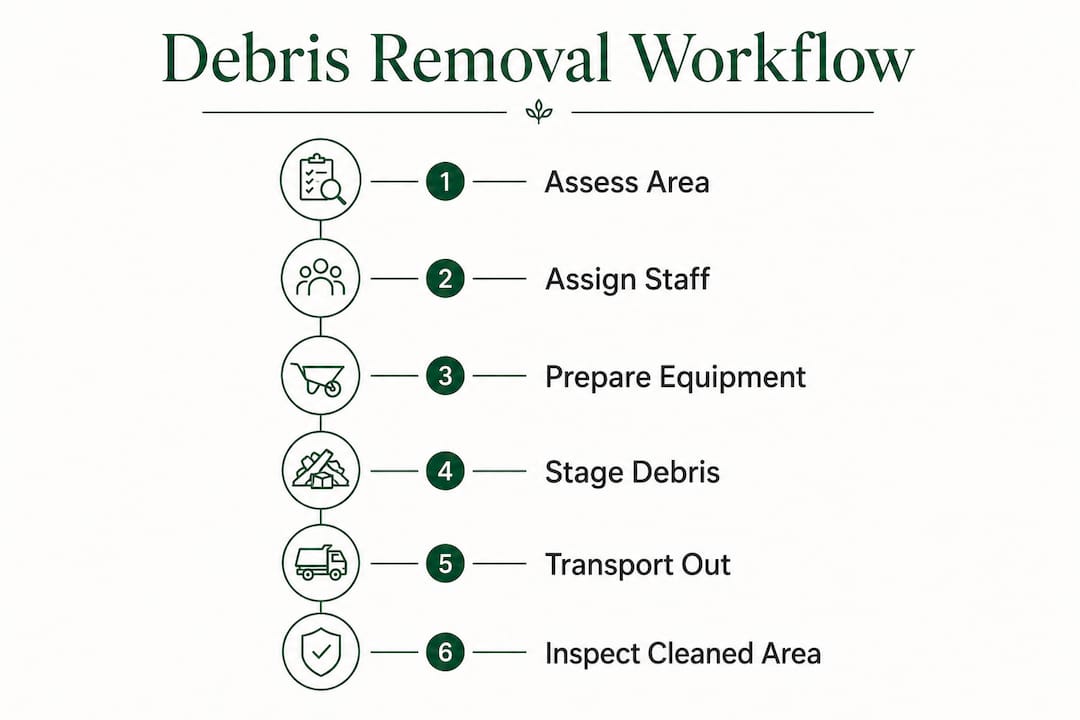
Debris staging is the practice of designating temporary collection points on each floor before moving waste to the final disposal area. Mapping exit routes and coordinating elevator access before removal begins prevents debris buildup in corridors and minimizes disruption to residents.
A well-executed logistics plan includes these steps:
- Map your exit routes first. Identify the shortest, least-trafficked path from each floor to the dumpster or loading dock. Avoid routes that pass through occupied common areas during peak hours.
- Designate floor-by-floor staging areas. Pick a single spot per floor, such as a utility alcove or service corridor, where debris waits before the elevator run. Never let debris sit in a main hallway.
- Coordinate elevator access. Reserve the service elevator for debris runs during off-peak hours, typically early morning or late evening. Pad the elevator walls and floor before each run.
- Protect the entire route. Lay floor runners or corrugated plastic sheeting along the path from staging area to exit. Route protection prevents costly damage to hallway flooring and elevator interiors.
- Schedule pick-up windows. Set specific times for debris to move from staging to the dumpster. Avoid leaving staged debris overnight, which creates a dumping-zone effect and invites additional waste.
Pro Tip: Post a simple floor map at each staging area showing the approved exit route. Workers and vendors follow visual cues more reliably than verbal instructions, especially in large buildings.
What tools and safety measures optimize debris cleanup?
The right equipment makes debris cleanup faster, cleaner, and safer for everyone in the building. Double-bagging dusty renovation waste and using lidded tubs for rubble prevents particle spread in shared spaces and reduces unplanned cleaning costs.
| Equipment | Purpose | Key Benefit |
|---|---|---|
| Covered rolling carts | Transport bagged debris between floors | Prevents leaks and odors in elevators |
| Lidded bins and tubs | Contain fine particulate and rubble | Stops dust from spreading in hallways |
| Floor runners | Protect routes during heavy removal | Avoids damage to flooring and carpet |
| Heavy-duty contractor bags | Double-bag dusty or wet debris | Contains particles and prevents leaks |
| Personal protective equipment | Worker safety during removal | Reduces injury and liability risk |
Personal protective equipment (PPE) for debris removal workers includes cut-resistant gloves, safety glasses, dust masks or N95 respirators for fine particles, and steel-toed boots. These are not optional in multi-unit buildings where residents share the same air and walkways.
Proper waste sorting also matters for compliance. Separate recyclables, bulk items, hazardous materials, and general waste before disposal. Local ordinances in Central Indiana and most municipalities require sorted disposal for construction debris, electronics, and appliances. Mixing waste streams can result in fines and rejected loads at disposal facilities.
What common mistakes should property managers avoid?
Debris left in shared corridors presents fire hazards, attracts pests, and directly damages resident satisfaction and lease renewal rates. Most of these problems trace back to a handful of avoidable mistakes.
- Passive reliance on residents. Expecting tenants to self-manage bulk waste removal without written policies and clear disposal instructions leads to hallway dumping and stairwell blockages.
- No designated staging areas. Without assigned collection points, debris accumulates wherever it lands, which is usually in the most visible and most hazardous spots.
- Skipping route protection. Moving heavy or dusty debris without floor runners leaves scratches, stains, and dust trails that cost more to fix than the protection materials would have cost.
- Irregular pick-up schedules. Active scheduling of debris pickups outperforms passive reliance on tenants, preventing fire hazards and pest attractants.
- Poor resident communication. Managers who post no rules about bulk item disposal or trash room procedures consistently deal with more complaints and more debris.
“The hidden costs of debris that lingers include not only cleaning expenses but also diminished resident satisfaction and potential code violations. Proactive management is not optional. It is the baseline for any well-run multi-unit property.”
Address odor and leak issues immediately. A single leaking bag left in a staging area overnight can contaminate flooring and generate resident complaints that outlast the smell. Respond to reports within the same business day.
What preventive measures reduce long-term debris accumulation?
Prevention costs less than cleanup. The most effective property managers build physical and procedural barriers that stop debris from spreading in the first place.
- Install large entrance mats at every building entry. Large entrance mats and covered trash cans at key locations reduce debris spreading and odor issues in shared spaces. Replace or clean mats on a set schedule.
- Place lidded trash containers at every floor landing and near elevators. Open bins overflow and scatter. Lidded containers contain odors and reduce the chance of debris spreading to hallways.
- Post clear disposal rules in visible locations. Place laminated signs in trash rooms, laundry rooms, and near dumpsters. Include rules about bulk item drop-off days, prohibited items, and bag requirements.
- Conduct regular walkthroughs. Schedule a brief weekly inspection of all common areas, not just the ones on the cleaning checklist. Early detection of a single abandoned mattress or pile of boxes prevents a dumping-zone from forming.
- Partner with a professional debris removal service for bulk and periodic cleanouts. Professional debris cleanup services handle lifting, sorting, and compliant disposal of bulk waste, construction rubble, and appliances, which frees your staff for routine maintenance.
Resident engagement is the most underused prevention tool. A short welcome letter explaining disposal rules, combined with a posted FAQ near the trash room, reduces improper dumping more reliably than enforcement alone. Residents who understand the rules follow them at a much higher rate than those who receive no guidance.
Key takeaways
Effective common area debris management requires tiered cleaning schedules, planned removal routes, proper containment equipment, and proactive resident communication to prevent safety hazards and property damage.
| Point | Details |
|---|---|
| Use tiered cleaning schedules | Clean lobbies and trash rooms daily; corridors three times per week; amenities weekly. |
| Plan debris routes before starting | Map exit paths and designate floor staging areas to prevent hallway buildup. |
| Protect removal routes | Use floor runners and covered carts to prevent damage and contain dust. |
| Avoid passive waste management | Active scheduling and clear resident rules outperform relying on tenants to self-manage. |
| Prevention beats cleanup | Entrance mats, lidded bins, and posted rules reduce debris accumulation at the source. |
What I’ve learned about debris removal that most guides skip
After working with property managers across Central Indiana, the pattern I see most often is this: managers invest in cleaning equipment but skip the planning step entirely. They buy the right carts and bags, then send workers into hallways without a route map or a staging plan. The result is debris sitting in corridors for hours, residents filing complaints, and staff making three trips where one would have done.
The insight that changes everything is treating debris removal as a logistics operation, not a cleaning task. The moment you map your exit routes, assign staging spots, and schedule elevator windows, the whole process gets faster and cleaner. I’ve seen a single planning session cut a full-building cleanout time by a third.
The other thing most guides miss is resident communication. Property managers often assume residents know the rules. They don’t. A laminated sign in the trash room and a one-page move-in guide about bulk disposal prevent more hallway dumping than any enforcement policy. Clear expectations set at move-in stick. Retroactive rules create friction.
If you manage a building with recurring debris problems, start with the schedule and the route map. Fix those two things before buying any new equipment. The role of debris removal in property value is real and measurable. A clean building retains residents and commands better rents. That outcome starts with a plan, not a mop.
— Olga
How Ohanapropertyexperts supports property managers with debris removal
Property managers dealing with bulk waste, post-renovation debris, or tenant move-out cleanouts often need more than a regular cleaning crew can handle.
Ohanapropertyexperts provides professional debris removal services for landlords, property managers, and real estate investors across Columbus, Indianapolis, Greenwood, and surrounding Central Indiana communities. We handle the heavy lifting, sorting, and compliant disposal of bulk items, construction rubble, appliances, and furniture. Our team works around your building’s schedule to minimize disruption to residents. We offer free estimates with transparent, upfront pricing based on volume and debris type. Explore our full range of property cleanout services or call us at (812) 302-6833 to get started.
FAQ
What does common area debris removal include?
Common area debris removal covers the collection and disposal of bulk waste, loose litter, construction rubble, discarded furniture, and appliances from shared building spaces such as lobbies, hallways, stairwells, and parking areas.
How often should common areas be cleaned for debris?
Tiered cleaning frequency is the standard: daily for lobbies and trash rooms, three times per week for corridors, and weekly for amenities and outdoor areas.
What are the biggest risks of unmanaged debris in shared spaces?
Debris in shared corridors creates fire hazards, attracts pests, and reduces resident satisfaction, all of which directly affect lease renewals and property reputation.
How do I prevent debris from spreading during a building cleanout?
Use floor runners along removal routes, double-bag dusty or wet debris, and designate floor-by-floor staging areas before moving anything. Route protection prevents damage to hallways and elevators during heavy removal work.
When should a property manager hire a professional debris removal service?
Hire a professional service for bulk move-out waste, post-renovation debris, appliance removal, or any cleanout that exceeds your staff’s capacity or requires compliant disposal of regulated materials.
Recommended
- How to Haul Debris After Demo Day: A Clear Guide | Ohana Property Services
- Debris Removal Options for Homeowners: A Practical Guide | Ohana Property Services
- Post-Renovation Debris Hauling: A Homeowner’s Guide | Ohana Property Services
- Construction Debris Removal Checklist for Flippers | Ohana Property Services