
Junk Removal Mistakes House Flippers Must Avoid
Avoid the common junk removal mistakes house flippers make. Learn key tips to schedule efficiently and save costs in your renovation project!
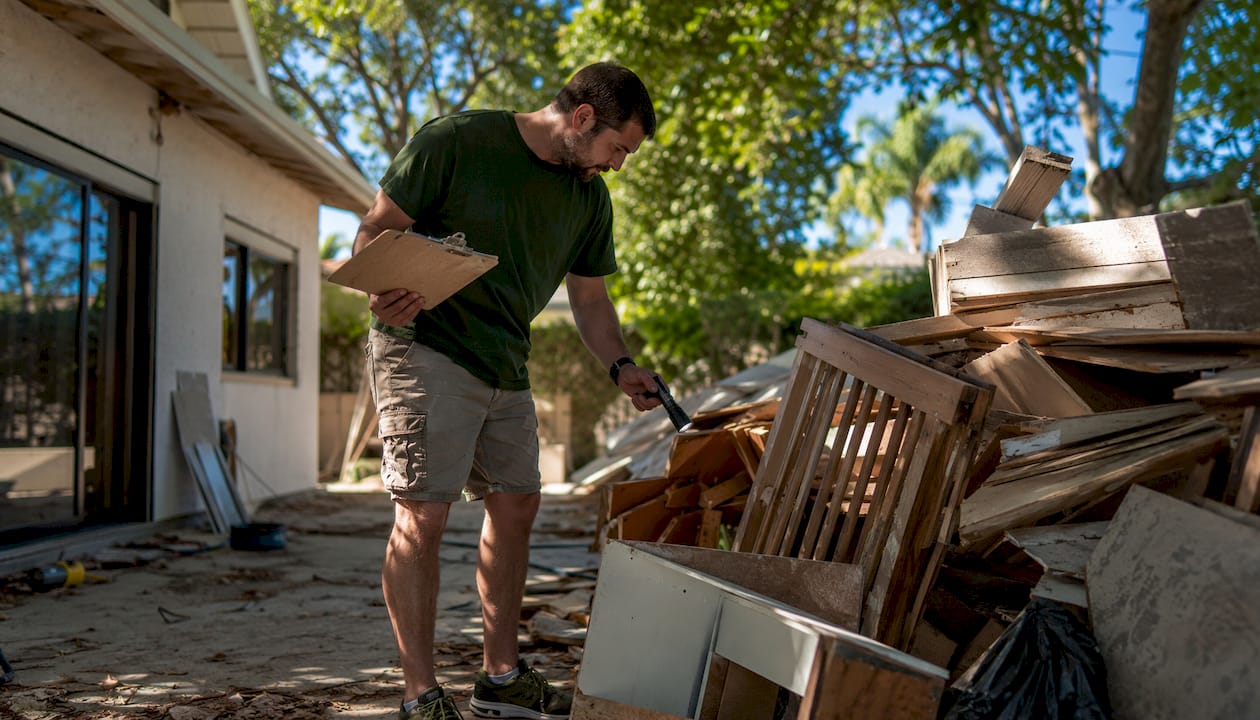
Junk Removal Mistakes House Flippers Must Avoid
The most common junk removal mistakes house flippers make are scheduling cleanouts too late, skipping written estimates, missing hazardous item requirements, underestimating volume, and ignoring site access logistics. The single highest-impact fix: treat the cleanout as a scheduled project phase, not a last-minute task. Book your dumpster or crew before demo day, take before photos the moment you have possession, get an itemized written estimate, and flag every appliance or hazmat item upfront. Ohana Property & Transition Services LLC sees these same mistakes repeatedly on Central Indiana flips, and every one of them is preventable.
- Schedule late: Cleanout booked after demo starts means idle contractors and mounting carrying costs.
- No written estimate: Verbal quotes lead to billing disputes and scope gaps.
- Missing hazmat/appliance rules: Freon-containing units require certified refrigerant removal and add $50–$300 per appliance in disposal fees.
- Underestimating volume: One dumpster rarely covers a full rehab.
- Poor site access: No parking plan or HOA clearance causes day-of delays.
Pro Tip: Get an itemized written estimate and take timestamped before photos before any item leaves the property. These two steps protect you in disputes and support tax deductions.
Table of Contents
- What are the most common junk removal mistakes house flippers make?
- What drives cleanout timeline and cost on a flip?
- What paperwork and disposal rules do flippers often overlook?
- How do site access problems cause hidden fees and delays?
- DIY vs. hiring a pro: what is the real ROI for flippers?
- What should you require when hiring a junk removal company?
- How should you document cleanouts for tax and liability purposes?
- How can salvage and recycling cut your disposal costs?
- When does a cleanout require licensed specialists?
- Key Takeaways
- The cleanout phase deserves the same respect as your electrical budget
- Ready to schedule your flip cleanout in Central Indiana?
- Useful sources and further reading
What are the most common junk removal mistakes house flippers make?
Booking dumpsters early prevents the most expensive mistake flippers make: starting demo without a disposal plan. Here is what goes wrong most often, and the fix for each.
- Scheduling late. Demo generates debris fast. Without a container on site from day one, debris piles up, walkways close, and contractors slow down. Fix: reserve your dumpster or crew at or before demo start, and assign a single point person to manage pickups.
- Skipping written, itemized estimates. Verbal quotes leave scope undefined. Fix: require line-item pricing that separates household junk, construction debris, appliances, and hazmat. Always request disposal receipts.
- Missing hazardous and appliance rules. Liquid paint, batteries, tires, solvents, and Freon-containing refrigerators cannot go in a standard dumpster. Improper handling leads to fines or illegal dumping charges. Fix: pre-walk the property and flag every special-handling item before the crew arrives.
- Underestimating volume. A cosmetic flip may fit in a single 14-yard roll-off; a gut rehab typically needs two or three. Budgeting one dumpster for both household junk and construction debris is almost always too optimistic.
- Mixing household junk and construction debris. Drywall, tile, and framing waste have different disposal streams than furniture and appliances. Mixing them can trigger overweight fees or rejected loads. Fix: define separate scopes for each dumpster or haul type.
- DIY time-cost miscalculation. Owner labor, truck rental, dump fees, and contractor downtime while you clear debris often exceed the cost of a professional crew. Run a simple comparison before deciding.
- Access and permit failures. A dumpster dropped in the wrong spot or without an HOA permit can stall the whole job. Fix: confirm driveway suitability, municipal permits, and HOA rules before booking.
Pro Tip: On a mid-level or gut rehab, plan for at least two dumpster pulls and budget a contingency for hidden items uncovered during demo.
What drives cleanout timeline and cost on a flip?
Timeline and cost depend on four factors: volume, material type, site access, and hauling distance plus tipping fees. Understanding these upfront keeps your budget honest.
| Volume tier | Typical service type | Key cost drivers |
|---|---|---|
| Light cosmetic flip | Single dumpster rental or one-load haul | Weight limits, rental duration |
| Mid-level rehab | 2–3 dumpster pulls or crew haul | Multiple pulls, appliance fees |
| Gut rehab / foreclosure | Multiple rentals plus specialist haul | Hazmat, demo debris, tipping fees |
Pricing structures vary. Per-load pricing suits smaller, defined scopes. Per-hour crew pricing works when volume is uncertain. Dumpster rental is most cost-effective on longer projects where debris accumulates over days. For flip property junk removal costs, the biggest surprises are appliance-specific fees and tipping surcharges on heavy materials.
Budget appliance disposal as a separate line item. Freon-containing units require certified refrigerant recovery and typically add $50–$300 per appliance. On mid-level and gut rehabs, plan for multiple dumpster swaps and add a contingency for items hidden behind walls or under flooring.
What paperwork and disposal rules do flippers often overlook?
Always collect a written scope of work, proof of disposal (tipping receipts), and contractor insurance before work begins. These three documents are your primary defense against disputes, fines, and liability claims.
- Refrigerant disposal: EPA rules require certified recovery for Freon-containing appliances. Never allow a crew to vent refrigerant or dispose of these units in a standard dumpster.
- Tenant property hold periods: Before removing any belongings left by a former occupant, confirm you have legal possession and that local hold requirements are satisfied. Removing tenant property without following state notice rules can expose you to conversion claims. Consult a real estate attorney when in doubt.
- E-waste and hazardous waste: Fluorescent bulbs, batteries, old paint, solvents, and pesticides require separate handling. Local rules vary, so confirm with your disposal provider before the job starts.
- Pre-1980 construction: Suspect asbestos in insulation, floor tiles, and joint compound. Stop work and bring in a licensed inspector before disturbing these materials.
Document everything before anything moves. Take photos and video of the property in its as-found condition. Separate obvious trash from personal property. Keep receipts for hauling, disposal, and any storage costs. This paper trail protects you legally and supports insurance or tax claims.
The minimum documentation checklist: before/after photos, itemized invoice, tipping receipts, and signed transfer notices for any donated or salvaged items.
This article is general information, not legal or tax advice. Confirm current disposal rules and tenant-property requirements with a qualified professional for your specific situation.
How do site access problems cause hidden fees and delays?
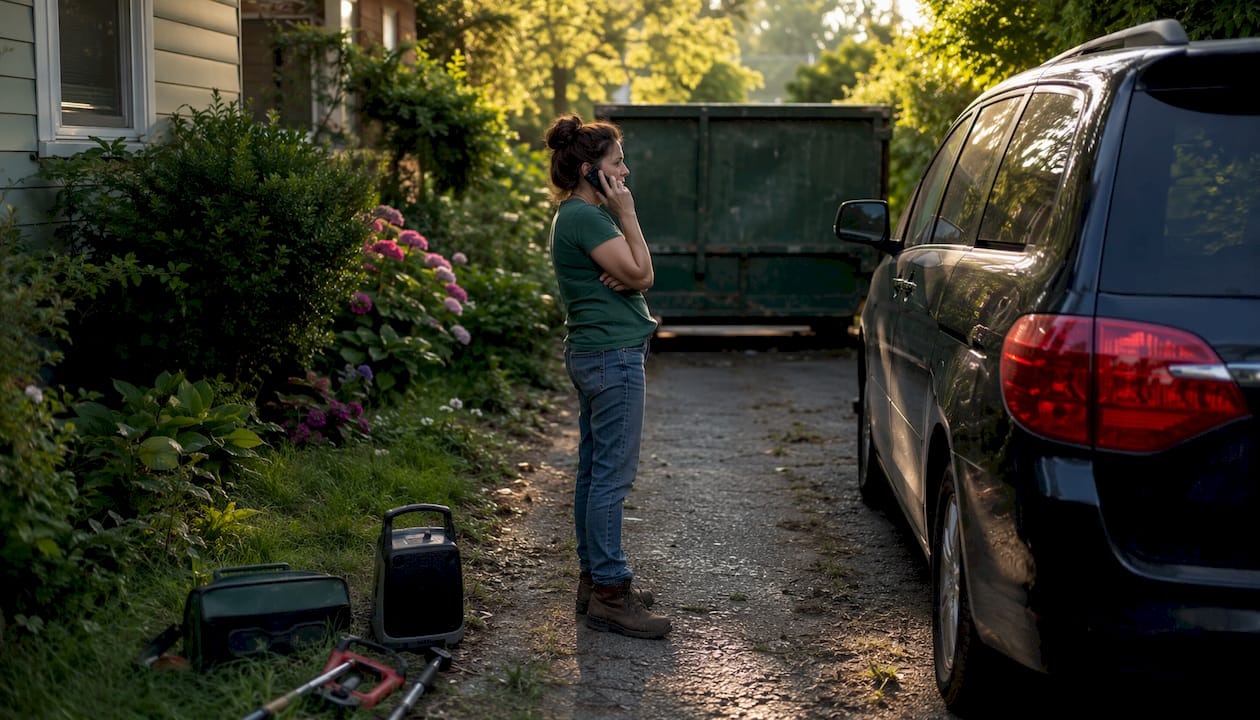
Poor site access and unclear dumpster management responsibility cause most logistical delays on flip projects. Solve these before the crew shows up.
- Confirm driveway load capacity and surface condition before scheduling delivery.
- Check municipal permit requirements for street-placed dumpsters and HOA rules for container placement.
- Designate a staging area for bulky items so crews can work without blocking walkways.
- Provide gate codes, lockbox combinations, or key access in writing to the crew lead.
- Assign one point of contact, either the owner or the general contractor, to call for swaps and manage pickups.
Schedule dumpster swaps when the bin reaches roughly 75% full. Waiting until it is overflowing risks a rejected pickup and a multi-day delay while you wait for the next truck. For managing multiple unit cleanouts efficiently, a single point of contact and a pre-agreed swap schedule are the two most effective controls.
DIY vs. hiring a pro: what is the real ROI for flippers?
Professionals often deliver better net value once you account for owner-hours, contractor downtime, and the cost of a delayed listing. The sticker price of DIY rarely tells the full story.
- Owner labor cost: Value your time honestly. Hours spent loading a truck are hours not spent managing contractors or sourcing materials.
- Truck and dump fees: Rental, fuel, and tipping fees add up quickly, especially on multi-load jobs.
- Disposal fines: One improperly disposed appliance or hazmat item can cost more than the entire professional cleanout.
- Lost sale days: A cleanout delay that pushes back inspections or staging adds carrying costs every week.
The ROI of hiring professionals becomes clearest on mid-level and gut rehabs, where volume and hazmat complexity make DIY genuinely risky. For serial flippers, the math shifts further: volume discounts are commonly available for repeat clients who negotiate package pricing across properties.
Pro Tip: If you flip more than two properties per year, negotiate a per-property package rate with your cleanout provider. The savings compound quickly.
What should you require when hiring a junk removal company?
Start with these non-negotiables: a written, itemized estimate; proof of general liability insurance; a clear scope of work with exclusions listed; and a commitment to provide disposal receipts.
Hiring checklist:
- Verify current general liability insurance and ask for a certificate.
- Request references or a portfolio of past flip or investor projects.
- Confirm the crew handles appliances with refrigerant and knows the EPA requirements.
- Get a written swap schedule commitment for multi-dumpster jobs.
- Ask how oversized or specialty items are priced before signing anything.
Questions to ask every vendor:
- Are Freon-containing appliances included in the base price, or billed separately?
- Who arranges municipal permits for street-placed dumpsters?
- What is the swap window once you call for a pickup?
Red flags to walk away from: verbal-only quotes, no tipping receipts offered, no insurance documentation, or any reluctance to provide before/after verification. A reputable crew has no reason to avoid any of these.
Pro Tip: Ask for a sample disposal receipt before you book. If a vendor cannot produce one, they likely cannot prove legal disposal, which is your liability, not theirs.
How should you document cleanouts for tax and liability purposes?
Before/after photos, itemized invoices, and donation receipts are your primary defenses and your best support for legitimate tax deductions. Collect them on every job without exception.
- Take timestamped photos of every room before any item is moved.
- Photograph serial numbers on appliances before removal; retain the recycler or disposal provider receipt if claiming disposal costs as an expense.
- For donated items, obtain an official charity receipt and record fair-market value estimates at the time of donation.
- Keep a short chain-of-custody note for any salvaged or donated items: what it was, where it went, and who received it.
- Retain all itemized invoices and tipping receipts for at least three years.
Pro Tip: Photograph donated cabinetry, fixtures, and appliances with a measuring tape in frame. A clear record of condition and dimensions supports a stronger fair-market valuation if you claim the donation.
How can salvage and recycling cut your disposal costs?
Sort early. Items with resale or donation value separated at first pickup avoid double handling and reduce landfill fees. This is one of the most practical efficient junk removal strategies available to flippers.
- Reusable appliances: Working refrigerators, washers, and dryers can often be donated or sold. Photograph serial numbers before moving them.
- Cabinetry and fixtures: Solid wood cabinets, vintage hardware, and light fixtures have active resale markets through architectural salvage dealers and online platforms.
- Metals: Copper pipe, steel framing, and aluminum windows often have scrap value that offsets hauling costs.
- E-waste, mattresses, and tires: These require specialized local disposal streams. Flag them before pickup so they are priced and routed correctly.
For final staging cleanup, a short-term dumpster rental timed for the last week before listing keeps packaging and construction scraps off the property so photos and showings are not delayed.
When does a cleanout require licensed specialists?
Call specialists for biohazard conditions, extensive hoarding, confirmed or suspected asbestos, and any appliance requiring certified refrigerant recovery. Sending a standard crew into these situations creates liability and can trigger expensive remediation later, which is why understanding the challenges of DIY door replacement is essential for avoiding related pitfalls during cleanouts.
- Biohazard: Foul odors, visible sewage, animal waste, or drug-related contamination require a certified remediation company, not a general junk crew.
- Hoarder homes: Staged clearouts with mental-health-aware crews protect both the property and the process. Rushing a hoarder cleanout often damages salvageable items and creates legal exposure if a former occupant is involved.
- Asbestos suspicion: Pre-1980 insulation, floor tiles, and popcorn ceilings require testing before any disturbance. Stop demo and bring in a licensed inspector.
- Refrigerant lines: Exposed or damaged refrigerant lines require a certified HVAC technician for recovery before the appliance is moved.
Signs that trigger a specialist call: persistent foul odors with no obvious source; visible mold covering more than a small isolated area; insulation or floor tiles from pre-1980 construction; exposed or leaking refrigerant lines; any surface that looks like it may contain lead paint in a property with young children or pregnant occupants.
Key Takeaways
Treating cleanout as a scheduled project phase, not an afterthought, is the single change that most consistently keeps flips on budget and on time.
| Point | Details |
|---|---|
| Schedule before demo day | Book dumpsters or a crew before demolition starts to prevent contractor downtime and debris buildup. |
| Require written estimates | Itemized pricing and disposal receipts protect you from billing disputes and prove legal disposal. |
| Budget appliance fees separately | Freon-containing units add $50–$300 per appliance; list them as a dedicated line item. |
| Negotiate volume pricing | Serial flippers often receive volume discounts by negotiating package rates across multiple properties. |
| Ohanapropertyexperts for Central Indiana | Ohana Property & Transition Services LLC provides free estimates, written scopes, and disposal receipts for investor cleanouts across Columbus, Indianapolis, and surrounding communities. |
The cleanout phase deserves the same respect as your electrical budget
Most flippers I talk with have a detailed line item for plumbing and a rough guess for cleanout. That imbalance is where projects quietly lose money. A delayed cleanout does not just cost the hauling fee; it costs contractor idle time, an extra week of loan interest, and sometimes a listing that misses a market window.
The documentation piece is equally undervalued. Before/after photos and tipping receipts take twenty minutes to collect and can save thousands in a dispute or an audit. The flippers who treat these as standard operating procedure rarely end up in those situations.
One more thing worth saying plainly: not every cleanout needs a specialist, but every flipper needs to know when one does. A pre-1980 property with disturbed insulation or a home with visible mold across multiple rooms is not a standard haul. Sending a general crew in without proper assessment is the kind of shortcut that produces five-figure remediation bills. Slow down for thirty minutes, get the right eyes on it, and the project stays on track.
Ready to schedule your flip cleanout in Central Indiana?
When your flip timeline depends on getting a property cleared fast and correctly, Ohana Property & Transition Services LLC is the local team built for exactly that. We handle full property cleanouts, appliance removal, construction debris hauling, and estate cleanouts across Columbus, Indianapolis, Greenwood, Franklin, Seymour, and surrounding Central Indiana communities.
Every job starts with a free, itemized estimate. We provide before/after photos, disposal receipts, and written scope documentation on every project, the same trust signals this article recommends you require from any vendor. To get a fast quote, have your property address, estimated demo start date, and a list of any appliances or special items ready. Call us at (812) 302-6833 or visit our services page to schedule your free estimate today.
Useful sources and further reading
- Waste Management During House Flipping Projects — covers how organized debris removal supports workflow and scheduling across all flip phases.
- Cleanout Costs Investors Forget on Foreclosure Flips — detailed breakdown of budget line items, tenant property rules, and hazmat considerations for foreclosure cleanouts.
- Junk Removal for Investors: Dayton, Ohio Guide — covers documentation best practices, volume discounts, and tenant property legal cautions for real estate investors.
- Flip House Dumpster Rental Strategy — practical guidance on dumpster sizing, swap scheduling, and appliance disposal fees.
- Turning a Fixer-Upper into a Home Sale Winner — practitioner advice on booking dumpsters early and staging cleanup timing.
- Fix & Flip Cleanouts: Top Challenges and How Pros Solve Them — covers hazardous materials, disposal compliance, and labor demand on investor properties.
- Flip Property Cleanout: What Investors Need to Know — Ohana’s practical checklist and guidance for investors managing cleanouts in Central Indiana.
- Why Investors Outsource Junk Removal — ROI analysis and operational case for outsourcing cleanouts on investor properties.
Recommended
- Flip Property Junk Removal Costs Explained for Investors | Ohana Property Services
- Flip Property Cleanout: What Investors Need to Know | Ohana Property Services
- Construction Debris Removal Checklist for Flippers | Ohana Property Services
- Appliance and Furniture Removal for Flip Homes | Ohana Property Services