
Hazardous Material Removal on a Flip: What You Need to Know
Discover what hazardous material removal flipping entails. Learn essential steps for safe asbestos and mold removal before renovation.
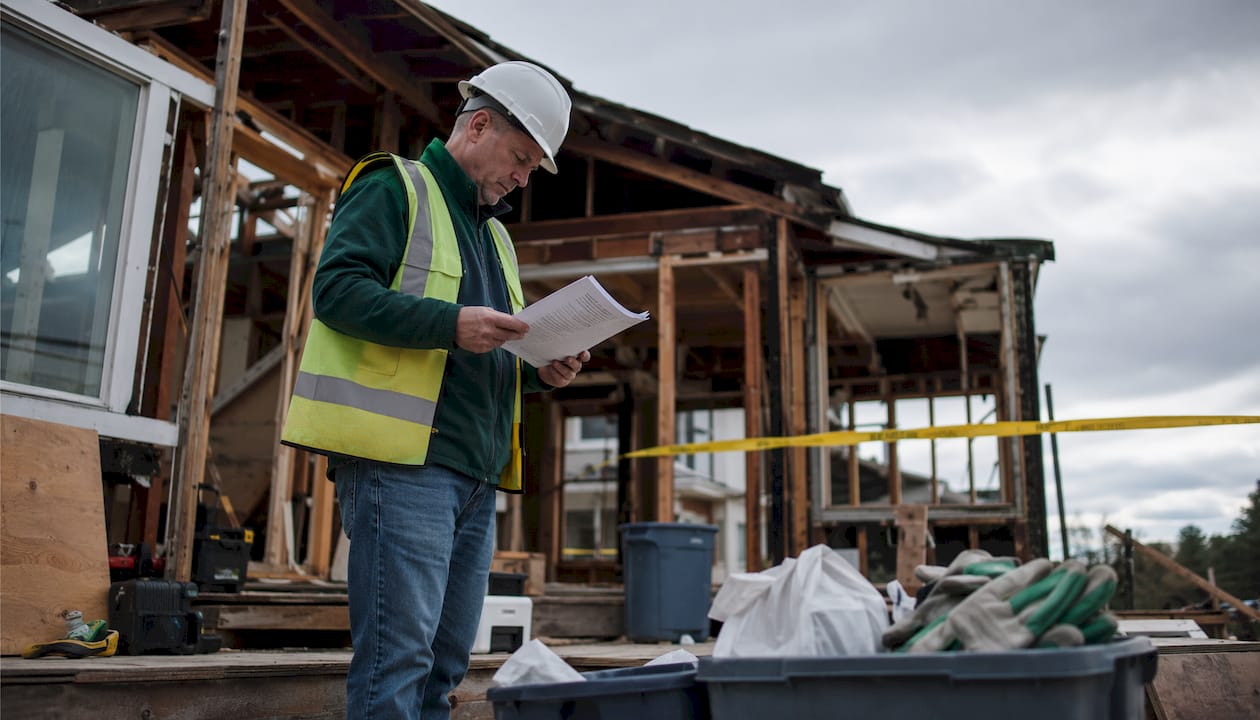
Hazardous Material Removal on a Flip: What You Need to Know
Hazardous material removal during a property flip is the licensed, regulated process of identifying, isolating, removing, and legally disposing of asbestos, lead-based paint, mold, and other regulated substances before renovation or resale begins. This is not optional cleanup. Under EPA and OSHA rules, workers who handle these materials must follow strict testing, containment, packaging, transport, and recordkeeping protocols. If you suspect hazardous materials on your property, act on these steps immediately:
- Stop all work in the affected area right away.
- Isolate the space — close doors, restrict access, and post a warning.
- Call a certified inspector or licensed abatement contractor before anyone disturbs the material.
- Document everything with photos and a written inventory.
- Do not let untrained crews touch suspect materials, even for a quick cleanout.
Pro Tip: Ohana Property & Transition Services LLC can help you assemble a photo inventory and coordinate your inspection appointment before any cleanout work begins — saving time and protecting you from costly missteps.
Table of Contents
- What materials on a flip actually require special handling?
- Why improper handling creates serious risk for property owners
- When do you need a licensed abatement contractor vs. a standard crew?
- How hazardous material removal fits into your flip timeline
- What drives the cost of hazardous material removal?
- How to vet a hazardous material removal provider before you hire
- How Ohanapropertyexperts handles hazardous-aware cleanouts in Central Indiana
- Key Takeaways
- A provider’s honest take on what surprises flippers most
- Ready to get your flip property cleared the right way?
- Authoritative sources and next reads
What materials on a flip actually require special handling?
Regulated and hazardous materials show up in residential properties far more often than most flippers expect. Hazardous materials removal workers are trained to identify these items on sight — but you can flag many of them yourself before the inspector arrives.
Common regulated or hazardous items found on residential flips:
- Asbestos-containing materials (ACM): Pipe insulation, floor tiles, ceiling tiles, roof shingles, and textured drywall compound in homes built before 1980. Red flag: crumbling or friable insulation, chalky ceiling texture.
- Lead-based paint: Virtually any painted surface in a pre-1978 home. Red flag: chalky, peeling, or layered paint on trim, windows, and doors.
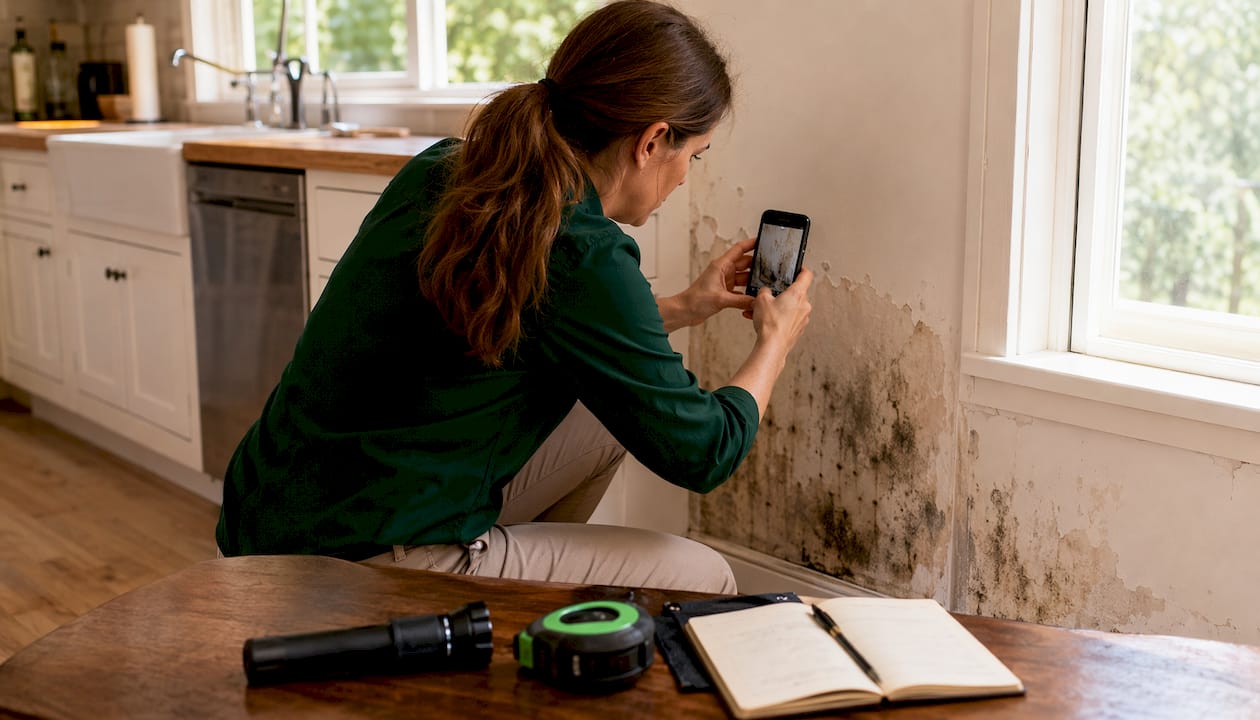
- Significant mold growth: Any visible mold covering a large area, or persistent musty odors with no obvious source.
- PCB-containing caulk: Common in schools and commercial buildings built between 1950 and 1978, but found in residential properties too. Red flag: dark, oily caulk around windows and masonry joints.
- Underground or abandoned fuel tanks: Often undisclosed by sellers. Red flag: old fill pipes or vent pipes near the foundation.
- Pesticides, solvents, and unlabeled chemicals: Garage shelves and utility rooms are the most common locations.
- Batteries, fluorescent bulbs, and propane tanks: These items cannot go into a standard dumpster and require separate handling through approved programs.
- Biohazards: Hoarding situations, drug activity, or trauma scenes require licensed biohazard remediation.
Pro Tip: Before your inspector arrives, photograph every suspect material and write a short room-by-room inventory. A clear photo log speeds up the estimate, reduces back-and-forth, and gives you documentation if a dispute arises later.
Why improper handling creates serious risk for property owners
Cutting corners on hazardous materials does not save money. It creates liabilities that can far exceed whatever was saved on a cheap crew. Airborne asbestos fibers, lead dust, and toxic chemical fumes pose direct health risks to workers, neighbors, and future occupants. Beyond the health dimension, the regulatory exposure is real.
The EPA’s HAZWOPER standard and OSHA’s construction rules require specific containment, disposal manifests, and worker protections. Violations can result in significant fines and, in some cases, stop-work orders that freeze your entire project. A pre-demolition audit is the most effective way to catch these issues before they become enforcement problems.
Financially, the math is straightforward. Cheap crews that mishandle regulated materials can cause contamination that costs far more to remediate than a licensed abatement contractor would have charged in the first place. Add extended carrying costs, delayed closing dates, and potential buyer disclosure obligations, and a skipped inspection can turn a profitable flip into a money-losing project. Professional debris removal that protects resale value is not an expense to minimize — it is a risk-management decision.
When do you need a licensed abatement contractor vs. a standard crew?
Not every cleanout requires a licensed abatement specialist. Knowing the difference protects your budget and your project timeline.
Hard triggers that require licensed abatement or testing:
- Any renovation or disturbance of materials in a pre-1978 home (lead paint risk under EPA’s Renovation, Repair, and Painting rule)
- Suspected or confirmed asbestos-containing materials
- Visible mold covering a large area or penetrating structural materials
- PCB-contaminated caulk or building materials
- Biohazard or drug-scene contamination
- Abandoned underground fuel tanks
Situations where a standard cleanout crew is appropriate:
- Ordinary household trash, furniture, and bulky items with no regulated materials present
- Household hazardous waste (old paint cans, batteries, bulbs) that will be dropped off at a municipal household hazardous waste program
- Post-abatement debris removal after a licensed contractor has cleared the area
Red flags that escalate the need for licensed professionals:
- Unexplained stains or persistent odors
- Friable or crumbling insulation
- Unlabeled chemical containers
- Seller or realtor disclosure of previous contamination or remediation
Pro Tip: When booking a cleanout, ask the crew directly: “What is your protocol if you encounter an unlabeled container or suspect material?” A professional crew will pause work and call for testing. A crew that says “we’ll just bag it and go” is a liability.
How hazardous material removal fits into your flip timeline
Sequencing this correctly keeps your project on schedule. Treating cleanout as a standalone phase — budgeted and scheduled separately — protects your profit margin.
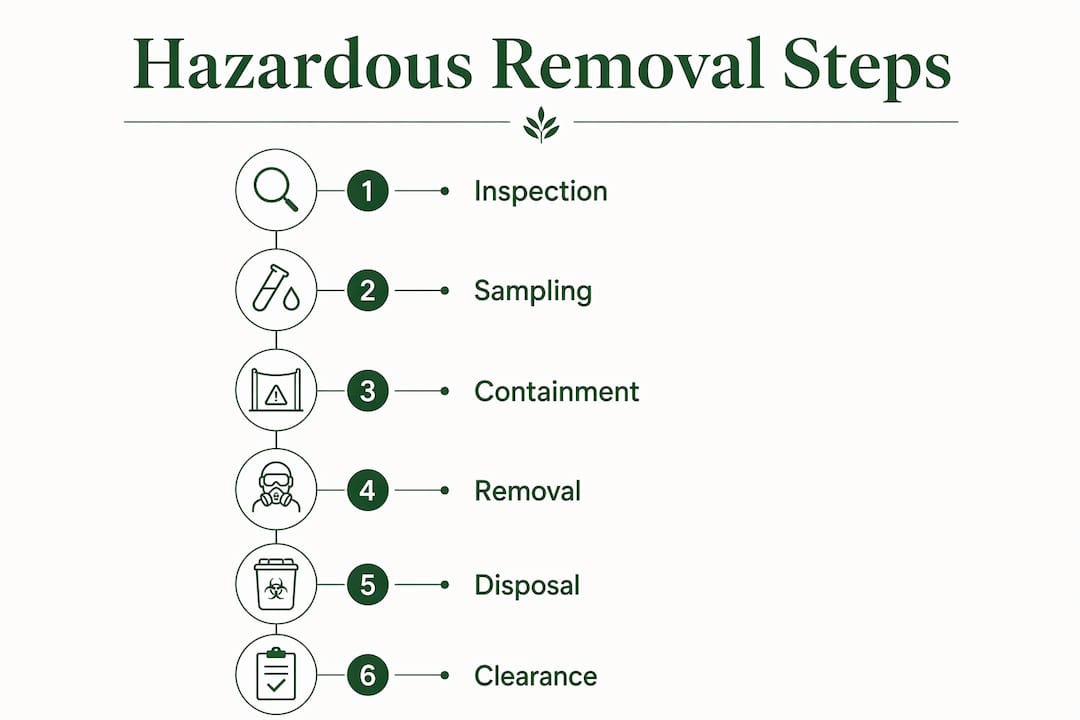
- Pre-cleanout inspection and audit — Schedule a certified inspector to walk the property and collect samples if needed. Allow 3–7 days for lab results.
- Written scope and permit check — The abatement contractor prepares a written scope of work. Check whether your municipality requires a demolition or abatement permit; NESHAP regulations may also require written notification before work begins.
- Abatement and containment — Licensed crews contain the work area, remove regulated materials, and package waste per EPA requirements.
- Safe removal and transport — Asbestos waste must be double-bagged, labeled, and transported under an EPA waste manifest to a permitted disposal facility.
- Disposal manifest and clearance testing — Air monitoring or clearance testing confirms the area is safe. Collect all manifests and lab reports.
- General cleanout and renovation start — Only after clearance documentation is in hand should your general cleanout crew and contractors enter.
Common delay causes: waiting for lab results, permit lead times, and disposal facility scheduling. Build these into your project calendar from day one. A practical flip cleanout checklist can help you track each phase.
What drives the cost of hazardous material removal?
Cost varies widely based on material type, volume, and complexity. Here are the primary drivers:
- Type of material: Asbestos and lead abatement typically cost more than mold remediation; biohazard cleanup is often the most expensive category.
- Friability and removal complexity: Friable (crumbling) asbestos requires more containment and PPE than intact floor tiles.
- Square footage or volume: More material means more labor, more packaging, and higher disposal fees.
- Testing and lab fees: Bulk sampling and air monitoring add cost but are non-negotiable for compliance.
- Containment and air monitoring: Negative-pressure enclosures and HEPA filtration add to the project cost.
- Disposal facility fees and manifesting: Permitted facilities charge by weight or volume; manifesting adds administrative cost.
- Transportation distance and emergency scheduling: Rush or after-hours work commands a premium.
For small, localized abatement, costs often run from a few hundred to low thousands of dollars. Larger or friable asbestos and lead projects can reach several thousands to tens of thousands depending on scope. For detailed flip junk removal cost breakdowns, reviewing project-specific estimates is always the right starting point.
Pro Tip: Budget a contingency on top of your cleanout estimate for discovery. Hidden materials behind walls or under flooring are common, and finding them mid-project without a contingency fund stalls everything.
How to vet a hazardous material removal provider before you hire
The right provider protects you legally and keeps your project moving. Ask these questions before signing anything:
- Does the company hold a state abatement license and employ EPA-accredited inspectors?
- Can they provide proof of general liability and pollution coverage?
- Will they supply a sample disposal manifest and explain their chain-of-custody process?
- What is their plan for air monitoring and clearance testing?
- Who is responsible for pulling permits, and will they handle that paperwork?
Trust signals to look for:
- Written, itemized scope of work with disposal fees included
- Visible PPE and proper containment setup on arrival
- Willingness to pause work if an unknown material is discovered
- References from comparable residential projects
Red flags to walk away from:
- Verbal-only estimates with no written documentation
- Refusal to provide disposal manifests or clearance reports
- Pressure to skip testing to save time
- Uninsured crews or subcontractors
Documents to collect before work starts: state license number, certificate of insurance, written scope, permit confirmation, and a sample manifest. For more guidance on hiring junk removal professionals who handle regulated materials responsibly, verify credentials before any crew sets foot on your property.
How Ohanapropertyexperts handles hazardous-aware cleanouts in Central Indiana
Ohana Property & Transition Services LLC is a family-owned cleanout company serving Central Indiana. For flips and estate transitions where hazardous materials may be present, Ohanapropertyexperts coordinates the full intake process — including photo documentation, room-by-room inventory, and referral to licensed abatement contractors when regulated materials are identified.
Services include:
- Estate cleanouts, full property cleanouts, and foreclosure cleanouts
- Debris removal, appliance removal, and furniture hauling
- Hazardous-aware intake with documentation support
- Coordination with licensed abatement contractors where required
- Manifest and clearance paperwork assembly for resale or occupancy
Service area: Columbus, Seymour, North Vernon, Edinburgh, Franklin, Greenwood, Indianapolis, Lafayette, and surrounding Central Indiana communities.
To get started, request a free on-site pre-cleanout audit or estimate. Call (812) 302-6833 or visit ohanapropertyexperts.com.
Key Takeaways
Hazardous material removal on a flip requires a licensed, sequenced process — skipping any step creates health, legal, and financial exposure that routinely costs more than the abatement itself.
| Point | Details |
|---|---|
| Audit before you touch anything | A pre-cleanout inspection is the single most effective way to control cost and avoid regulatory fines. |
| Licensed abatement is non-negotiable for regulated materials | Pre-1978 homes, asbestos, mold, PCBs, and biohazards all require licensed contractors, not standard crews. |
| Manifests protect you at resale | Disposal manifests and clearance reports are the paper trail buyers, agents, and regulators will ask for. |
| Budget a contingency | Hidden materials behind walls or under flooring are common; a contingency prevents mid-project shutdowns. |
| Ohanapropertyexperts offers hazardous-aware cleanouts | Ohanapropertyexperts coordinates documentation, abatement referrals, and full property cleanouts across Central Indiana. |
A provider’s honest take on what surprises flippers most
The single most expensive surprise we see is hidden asbestos in mechanical chases and HVAC plenums. A flipper budgets for a straightforward gut renovation; the demo crew opens a wall, and suddenly the project is on hold for two weeks while a licensed abatement team is mobilized. That delay alone, in carrying costs and contractor rescheduling, often exceeds what a pre-demolition audit would have cost.
The practical shortcut is simple: schedule the inspection before you close on the property if you can, or within the first 48 hours after closing. A photo inventory done room by room, including utility spaces and crawl spaces, gives the inspector a head start and cuts the estimate turnaround significantly. Speed matters on a flip, but cutting the audit to save a day or two is the trade-off that most often costs a week or more in the end.
Ready to get your flip property cleared the right way?
When a property needs a cleanout and you are not sure what is hiding behind the walls, Ohanapropertyexperts is the straightforward next step. We perform full property cleanouts with hazardous-aware intake, coordinate licensed abatement contractors when regulated materials are present, and assemble the disposal manifests and clearance paperwork you need for resale or occupancy. No guesswork, no liability gaps.
We serve Columbus, Seymour, North Vernon, Edinburgh, Franklin, Greenwood, Indianapolis, Lafayette, and surrounding Central Indiana communities. Request your free on-site estimate today by calling (812) 302-6833 or visiting our services page. We will walk the property with you, document what we find, and connect you with the right licensed professionals when the job calls for it.
Authoritative sources and next reads
For regulatory detail, testing protocols, and disposal requirements, these primary sources are the right place to start:
- EPA PCB abatement guidance — step-by-step abatement planning, disposal classification, and notification requirements for PCB-containing building materials.
- OSHA HAZWOPER standard (29 CFR 1910.120) — worker safety requirements for hazardous waste operations, including containment, decontamination, and emergency response.
- EPA pre-demolition survey guidance — the federal framework for pre-cleanout audits and regulated material identification before demolition or renovation.
- BLS Hazardous Materials Removal Workers overview — explains the scope of work, required training, and regulatory obligations for licensed abatement workers.
Keep these records after every abatement project: disposal manifests, lab reports, air-monitoring results, clearance certificates, and the written scope of work. Buyers, title companies, and local health departments may request any of them during a sale or occupancy inspection. For property management cost planning that accounts for remediation phases, building these document-retention steps into your project management process from the start saves significant time at closing.
Recommended
- Construction Debris Removal Checklist for Flippers | Ohana Property Services
- Appliance and Furniture Removal for Flip Homes | Ohana Property Services
- Flip Property Cleanout: What Investors Need to Know | Ohana Property Services
- Handle Common Area Debris Removal: A 2026 Guide | Ohana Property Services